Mold, Mildew or Algae on Siding? How to Tell
Garner Pressure Washing • September 26, 2026 • 8 min read
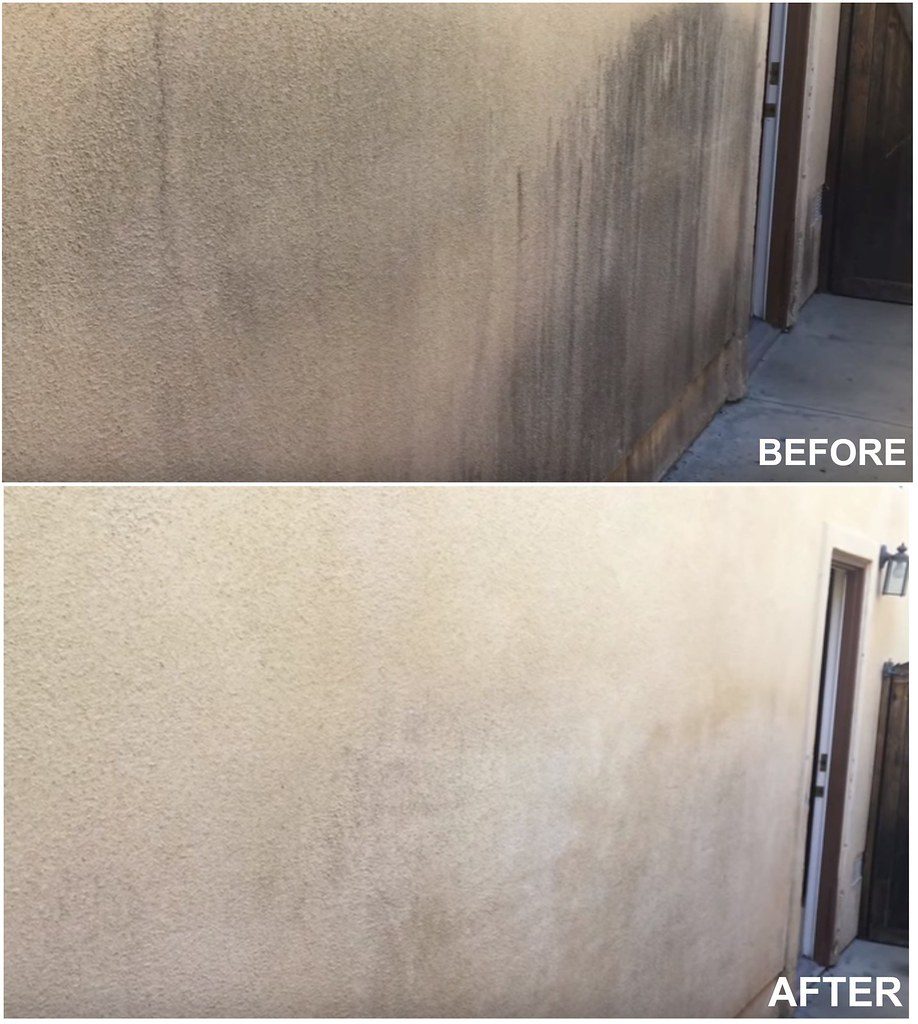
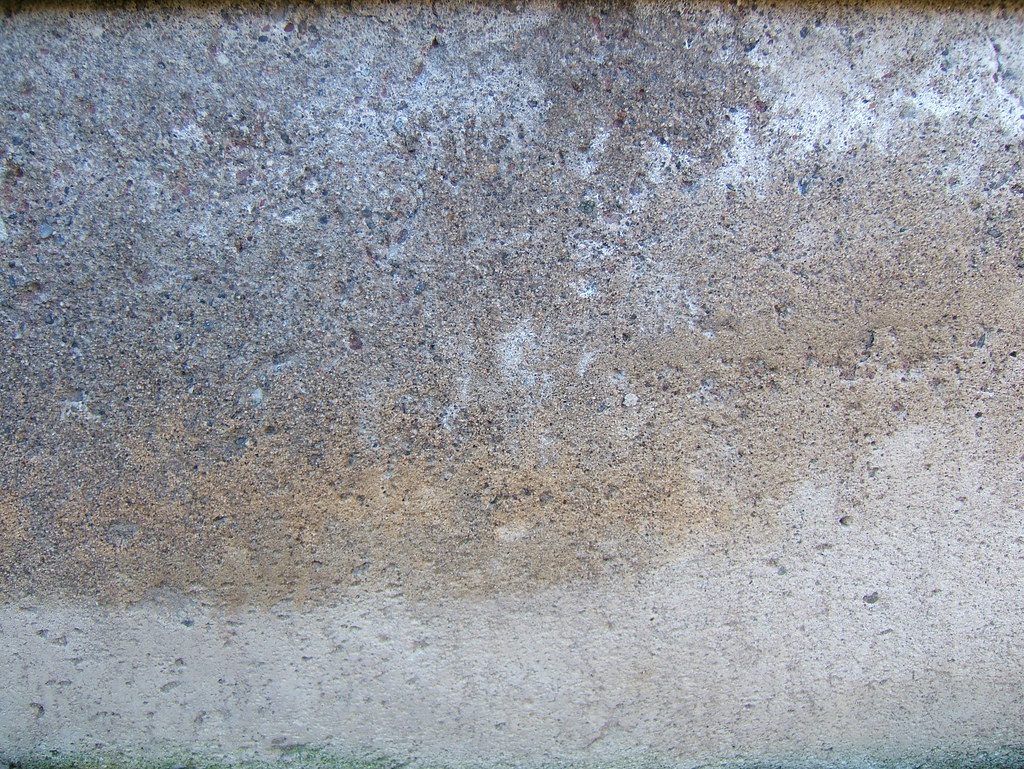
Green film on the north wall, black freckles under the eaves, a grey dullness across the whole back of the house. Homeowners call all of it “mold”, and it is fair to ask whether mold vs mildew on siding is even a real difference. It matters less than you might think, and something else matters more: whether the stain is alive at all.
A living stain (algae or mildew) needs a treatment that kills it, or it grows back from the same spots. A non-living stain (dirt, clay splash, rust, chalky paint) needs a different clean, and the algae chemistry will not touch some of them. In Garner, where humid summers, shade trees and red clay all leave marks on the same wall, it is common to have three of these at once.
This guide is only about telling them apart. It covers the mold and mildew question, a side-by-side table, the two-minute bleach drop test the extension services publish, the look-alikes that fool people, and where to go next once you know what you have.
Mold vs Mildew on Siding: Is There a Difference?
For siding, no: mold and mildew are the same kind of organism. A mold and mildew guide from APA, hosted by the USDA Forest Products Laboratory, says the two terms “refer to the same class of fungi species and are terms commonly used interchangeably.” “Mildew” is simply the everyday word for mold growing as a surface film on paint, vinyl or trim.
Color is where people get confused. Purdue Extension’s guide to house paint discoloration, NCR-134, notes that “the most common species are black, but some are red, green, or other colors.” So black spots on siding are usually mildew, but green does not automatically mean algae.
Algae is a different organism. It makes its own food from light, which is why it forms a smooth, even green film on the open face of a wall rather than tucking into the darkest corners. On a Garner house it is the green haze that covers the north wall from the ground up. On a roof, the long black streaks are also algae, according to the Asphalt Roofing Manufacturers Association; that is a separate problem covered in our post on black streaks on roof shingles.
Algae, Mildew, Dirt and the Look-Alikes Side by Side
Use this as a first pass, then confirm with the bleach test below.
| Stain | Color and texture | Where it shows up | Bleach drop test | What it means for cleaning |
|---|---|---|---|---|
| Algae | Green, even film; smears green when rubbed wet | Open faces of shaded walls, north side, low panels | Usually lightens | Living: needs a kill step, not just a rinse |
| Mildew (mold) | Black or grey specks and clusters, sometimes fuzzy | Under eaves, porch ceilings, behind shrubs, corners | Bleaches out in one or two minutes | Living: needs a kill step |
| Dirt and soot | Grey or brown, uniform, no specks | Everywhere, heaviest near roads and drives | Stays the same color | Not alive: a wash removes it |
| Red clay splash | Orange to rust brown, heaviest at the bottom edge | Lowest course, near bare beds and downspouts | Stays the same color | Mineral: needs a clay-specific clean |
| Rust from nails or fixtures | Red-brown spots or runs from one point | Nail heads, under metal hardware, near sprinkler heads | Stays the same color | Mineral: needs rust treatment |
| Chalk from weathered paint | White powder, rubs off on your hand | Painted wood, fiber cement, aluminum; white runs on brick below | Stays the same color | A paint problem, not growth |
Pro tip: Purdue’s guide says mildew “can be distinguished from dirt by examination under a high-power magnifying glass”, because dirt shows as irregular grains. A cheap loupe or the zoom on a phone camera will often show mildew’s threadlike clusters before you reach for bleach.
How to Do the Bleach Drop Test on Siding
The bleach test is the quickest way to tell a living stain from a dead one, and both extension sources describe it the same way.
- Use fresh household bleach. The APA and USDA guide specifies “a 5 percent solution of household bleach” and warns that bleach loses potency when it is more than about six months old. An old jug from the garage can give a false “dirt” result.
- Pick a small, out-of-sight spot. Behind a shrub or near the utility meter, so any change in finish is hidden. Check your siding manufacturer’s cleaning guidance first; James Hardie, for example, tells owners of its fiber cement siding not to use harsh chemicals such as bleach in its cleaning instructions.
- Apply a drop or two with a cotton swab or dropper, directly on the stain.
- Wait one to two minutes. Mildew “will usually lighten and nearly disappear within one to two minutes”, in the guide’s words. Stains that “remain the same color are probably dirt or another form of discoloration.”
- Rinse the spot with water when you are done.
Never mix bleach with anything containing ammonia, a warning both sources repeat. Wear eye protection and keep the drop off plants.
What Else Looks Like Mold on a House?
Three stains fool most people, and each needs a different fix.
Red clay splash. The bottom of a wall in a new subdivision off NC-42 or in Bingham Station can look dirty orange-brown, and people assume it is mildew. The bleach test will not change it. It is the same iron-rich clay that stains driveways, and the approach in how to get red clay stains off concrete explains why it needs its own treatment.
Rust from fasteners. Purdue’s NCR-134 explains that when ordinary steel nails are used on painted siding, “a red-brown discoloration may occur through the paint” around each nail head. A neat row of brown dots along the nailing line is rust, not growth. So are the orange fans that well-water sprinklers leave on lower panels. Our rust and stain removal service handles those.
Chalky paint. Painted fiber cement, wood trim and older aluminum siding can shed a fine white powder as the paint weathers, and it washes down onto brick below in white streaks. Wipe your hand across it; if your palm comes away white, read chalky residue on siding instead.
What Your Answer Means for the Next Step
Once you know what is on the wall, the next step is simple:
- Algae or mildew (it bleached, or it is green film): it is alive, so it needs a treatment that kills it, not a harder scrub. The full method, DIY and professional, is in how to remove green algae from vinyl siding. A low-pressure soft wash house cleaning treats algae and mildew together in one pass.
- Dirt and pollen: a gentle wash is enough. If it is yellow and it is spring, that is pine pollen, and pine pollen on house siding covers timing.
- Clay, rust or chalk: use the specific guides above. A general wash will not fully clear them.
If the same wall keeps growing algae or mildew back, the cause is usually moisture, and how to prevent algae on vinyl siding shows how to find it.
Frequently Asked Questions
What is the green stuff on my vinyl siding?
It is most likely algae, a thin living film that grows on damp, shaded walls, sometimes mixed with green-tinted mildew. On Garner homes it usually starts on the north wall and under trees. A bleach drop that lightens the spot in a minute or two confirms it is living growth rather than dirt.
Are black spots on siding mold or mildew?
Both names are right, because mold and mildew are the same kind of fungus. Purdue Extension notes that the most common species are black. Black specks clustered under eaves, on porch ceilings or behind shrubs are almost always mildew, and they bleach out quickly in the drop test.
Is it mildew or dirt on my house?
Put a drop or two of fresh 5% household bleach on it and wait one to two minutes. If it lightens and nearly disappears, it is mildew; if it stays the same color, it is dirt or another stain. Test in a hidden spot first and check your siding maker’s cleaning guidance.
Can algae and mildew grow on the same wall?
Yes, and on Garner’s shaded walls they often do: algae on the open face, mildew in the corners, under the soffit and behind shrubs. Both are living, so one soft wash treats them together. You can request a free quote for a soft wash if the whole wall is affected.
Why does my siding turn grey instead of green?
A grey, even dullness with no specks that does not change in the bleach test is usually road dust and soot, which builds up on houses near busy roads such as US-70. A grey tone made of tiny black dots is light mildew. The test tells you which.
What does it cost to have siding mildew cleaned?
It depends on the size of the house, the number of stories and how heavy the growth is, so we do not quote a figure here. The Garner pressure washing cost guide explains what drives the price of a house wash.
Know What Is on Your Siding Before You Clean It
The mold vs mildew question on siding has a short answer (same thing), and the useful question is whether the stain is alive. A two-minute bleach drop test tells you, and it decides whether you need a kill step, a plain wash or a specific stain treatment.
If it turns out to be algae or mildew across a whole wall, we can quote a low-pressure soft wash for homes in Garner, Clayton, South Raleigh, Willow Spring and Fuquay-Varina. See the pricing guide for what affects cost, or contact us for a free quote.