Chalky Residue on Siding: What It Is and How to Wash It
Garner Pressure Washing • September 26, 2026 • 8 min read
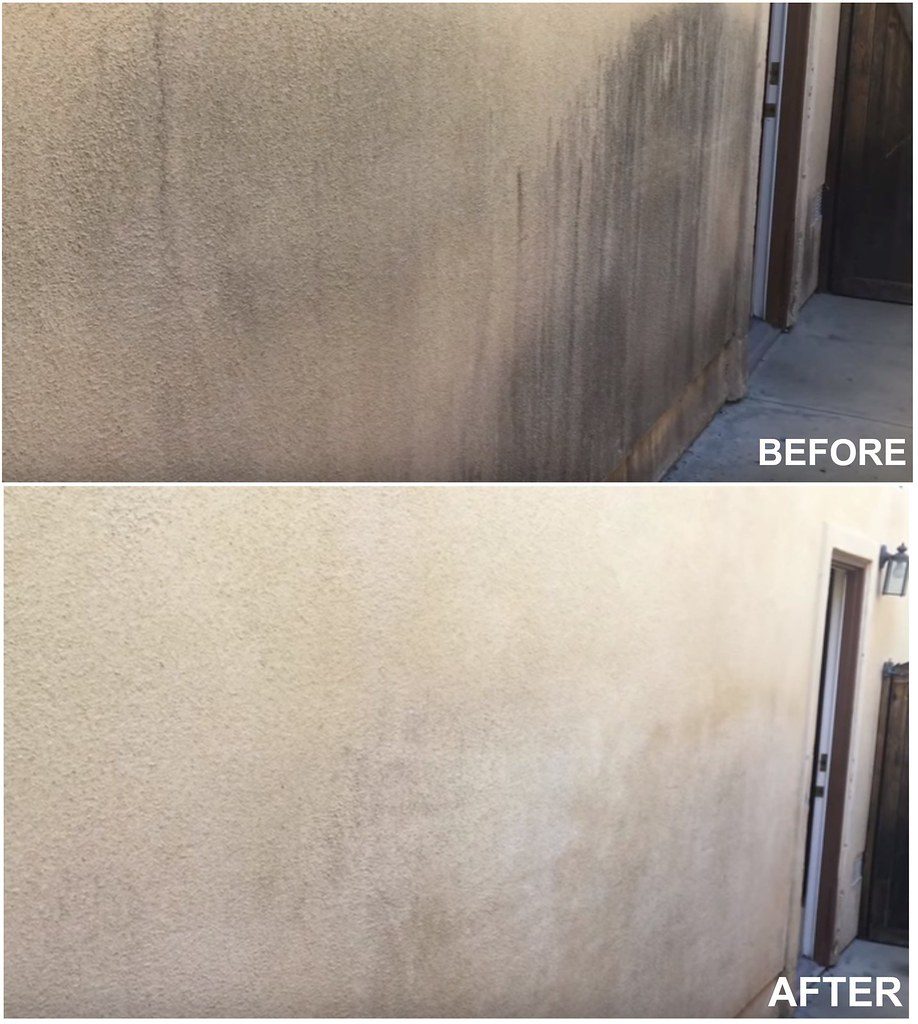
Lean against the south wall of an older painted house in Garner and your shirt comes away white. Run a finger along the aluminum siding on a ranch-style house in Van Story Hills and it leaves a clean stripe through a pale film. That powder is chalky residue on siding, and it is not dirt, pollen or mildew. It is the paint itself wearing away.
Chalk behaves differently from every other stain on a house. It does not bleach out, it does not grow back from spores, and scrubbing harder only takes more paint off. It also causes a second problem people often blame on something else: white streaks running down the brick skirt below the siding.
This guide covers what chalking is, the two-minute tests that tell it apart from other stains, what causes it, how to wash it off painted wood, fiber cement and aluminum, how to clean chalk rundown off brick, and what it means if you are planning to repaint. It is about painted surfaces. For green film on vinyl, see our algae guides instead.
What Is Chalky Residue on Siding?
Chalky residue is a fine powder of loose paint pigment on the surface of weathered exterior paint. Sherwin-Williams defines paint chalking as “the formation of fine, white powder on the surface of exterior paint film due to weathering” in its guide to paint chalking.
Purdue Extension’s house paint guide, NCR-134, explains the mechanism: as a paint film “gradually weathers or deteriorates,” it releases “the individual particles of pigment.” Purdue also makes a point most people do not expect. A small amount of chalking is by design, because it “allows the paint surface to be self-cleaning.” It becomes a problem when it is heavy, or when it “washes down over a surface with a different color.”
On older aluminum siding, the same thing happens to the factory-applied paint. People often call it “oxidation”, but the white film that rubs off on your hand is the baked-on finish chalking, and it is washed the same way.
How Do You Know It Is Chalk and Not Dirt or Mildew?
Rub it. Dunn-Edwards gives the simplest test in its chalking guide: “Just rub your fingers or a dark cloth across the surface. If you see a dusty, powder-like film come off, that’s chalking.” A second clue shows up when you rinse: chalky walls often run milky or tinted water the color of the paint.
Use this table to rule out the look-alikes:
| Stain | Hand or dark cloth rub | Bleach drop test | Where it shows up |
|---|---|---|---|
| Paint chalk | Powder in the paint’s color comes off easily | No change | Sunny walls first; streaks on brick below |
| Dirt and road dust | Grey smudge, often gritty | No change | Everywhere, worst near roads and drives |
| Mildew | Black specks, may smear dark | Bleaches out in one or two minutes | Shade, under eaves, behind shrubs |
| Efflorescence on brick | White crystals on the brick itself, not running from above | No change | Damp brick, near gutters and downspouts |
The bleach test comes from the extension services and is explained step by step in mold vs mildew vs algae on siding. Efflorescence, the white salts that come out of the brick, is covered in how to clean a brick house exterior. Chalk rundown sits on top of the brick in streaks lined up under the painted surface above.
Pro tip: Do the dark-cloth rub on a sunny wall and a shaded wall of the same house. If the sunny side leaves far more powder, the paint is weathering from sunlight, and those walls will chalk again first after a wash.
What Causes Paint to Chalk?
Paint chalks as sunlight and weather break down the binder that holds its pigment in place. Dunn-Edwards lists UV exposure first, noting that sunlight “gradually weakens paint by breaking down the binder,” followed by moisture, low-quality paint, over-thinning and skipped primer.
Sherwin-Williams adds several causes from the paint and application side:
- Paint type. “Oil-based paints tend to chalk more than latex formulations.”
- Low-grade paint, or interior paint used outdoors.
- Factory-finished siding issues, which covers much older aluminum siding.
- Poor application: an unsealed surface, over-thinned paint, or paint spread too thin.
In Garner, the walls that face south and west get the most direct sun through a long summer, so they usually chalk first. Older homes with aluminum siding, and many manufactured homes, are the most common cases; our post on mobile home exterior cleaning covers the aluminum siding and skirting that go with them.
How to Wash Chalky Residue Off Siding
Washing removes the loose powder; it does not stop the paint from chalking again. Sherwin-Williams gives a three-step method:
- “Remove chalk residue by rinsing or power washing the surface with an appropriate cleaner.”
- “Rinse well with clear water. Allow to dry thoroughly.”
- “Brick areas that are stained by ‘chalk run-down’ should be scrubbed with a stiff brush and detergent.”
A few cautions put that into practice on a house:
- Keep the pressure low on siding. The goal is to lift powder, which a cleaner, a soft brush and a thorough rinse do well. On fiber cement, James Hardie tells owners not to use a pressure washer at all, as covered in can you pressure wash Hardie board siding. On aluminum, a close jet can dent thin panels.
- Keep the surfaces below wet. Chalk carried in the rinse water streaks any dry surface below it, so wet the lower wall and the brick under it before you start and keep them wet while you work above.
- Use a soft brush, not an abrasive pad. Every pass with a scouring pad removes more of the remaining paint film.
- Expect some color loss on heavily chalked walls. If the paint is thin, washing off the chalk can leave it looking patchy. That is the paint’s condition showing, not damage from the wash.
A low-pressure soft wash with a suitable cleaner removes chalk from a whole house in one visit. Our house washing service page explains how that is done.
How to Clean Chalk Rundown Off Brick
White streaks down a brick skirt, lined up under painted siding or trim, are chalk rundown. Sherwin-Williams’ instruction is a stiff brush and detergent. Wet the brick first so it does not absorb the chalky water, scrub the streaks, and rinse at low pressure.
Two things keep it from coming back. First, wash the painted surface above in the same session; cleaning only the brick leaves the source in place for the next rain. Second, if the streaks return quickly, the paint above is chalking heavily and may be due for repainting. Pressure washing the brick harder will not help and can damage mortar joints, which the Brick Industry Association warns about in the guidance summarized in our brick cleaning post.
Should You Repaint Chalky Siding?
Not necessarily. Sherwin-Williams says “painting over chalking is not necessary as it should be easy enough to remove and restore your surface to its original look.” Washing is often enough for light to moderate chalking.
If you do repaint, the chalk has to come off first. Sherwin-Williams recommends a “high-quality acrylic coating for the best resistance to paint chalking,” and Dunn-Edwards suggests a chalk-binding primer where some powder remains after washing. How long to wait between washing and painting is its own question, covered in how long after pressure washing you can paint.
One more check if the house is older: paint on homes built before 1978 may contain lead, and the EPA’s renovation, repair and painting rule covers paid work that disturbs paint in those homes, including painting preparation. Ask about it before anyone scrapes or sands.
Frequently Asked Questions
Is chalky residue on siding a sign it needs repainting?
Not always. Some chalking is normal as paint ages, and Sherwin-Williams notes that chalk can usually be washed off to restore the surface. Heavy chalking that returns quickly, or paint so thin the substrate shows through after washing, is the sign a repaint is coming.
Can I pressure wash chalky siding?
You can wash it, but keep the pressure low. Sherwin-Williams mentions rinsing or power washing with an appropriate cleaner; in practice a cleaner, soft brush and low-pressure rinse remove the powder without taking more paint with it. On fiber cement, follow James Hardie’s instruction not to use a pressure washer.
Why are there white streaks on the brick below my siding?
That is usually chalk rundown: powder from weathered paint above, carried down by rain. Purdue Extension describes chalk becoming a problem when it “washes down over a surface with a different color.” Scrub the brick with a stiff brush and detergent, and wash the painted surface above at the same time.
How do I remove oxidation from aluminum siding?
The white film on aluminum siding is the factory paint chalking. Wash it with a suitable cleaner and a soft brush, rinse thoroughly at low pressure, and keep the surfaces below wet so the runoff does not streak them. Avoid abrasive pads and close high-pressure jets, which can scratch the finish or dent thin panels.
Does chalking come back after washing?
Yes, eventually, because the paint keeps weathering. Washing resets the surface; it does not stop the process. How quickly it returns depends on the paint and how much sun the wall gets, which on a south-facing Garner wall is a lot.
How much does it cost to wash chalky siding?
It depends on the house size, number of stories and whether brick cleaning is included, so we do not quote a figure here. The Garner pressure washing cost guide explains what drives the price, or you can request a free quote.
Get Chalky Residue Off Your Siding the Right Way
Chalky residue on siding is weathered paint, so the fix is a gentle wash with the right cleaner, not more pressure. Test with your hand, wash the painted surface and the brick below together, and decide on repainting once you see what the paint looks like clean.
We can quote a low-pressure wash for chalky painted siding, aluminum and brick for homes in Garner, Clayton, South Raleigh, Willow Spring and Fuquay-Varina. See typical costs in the pricing guide, or contact us for a free quote.