Rust & Stain Removal in Garner, NC
The stains a pressure washer cannot fix: rust, red clay, oil, and mineral deposits need targeted chemistry, and blasting them with more pressure only makes them worse.
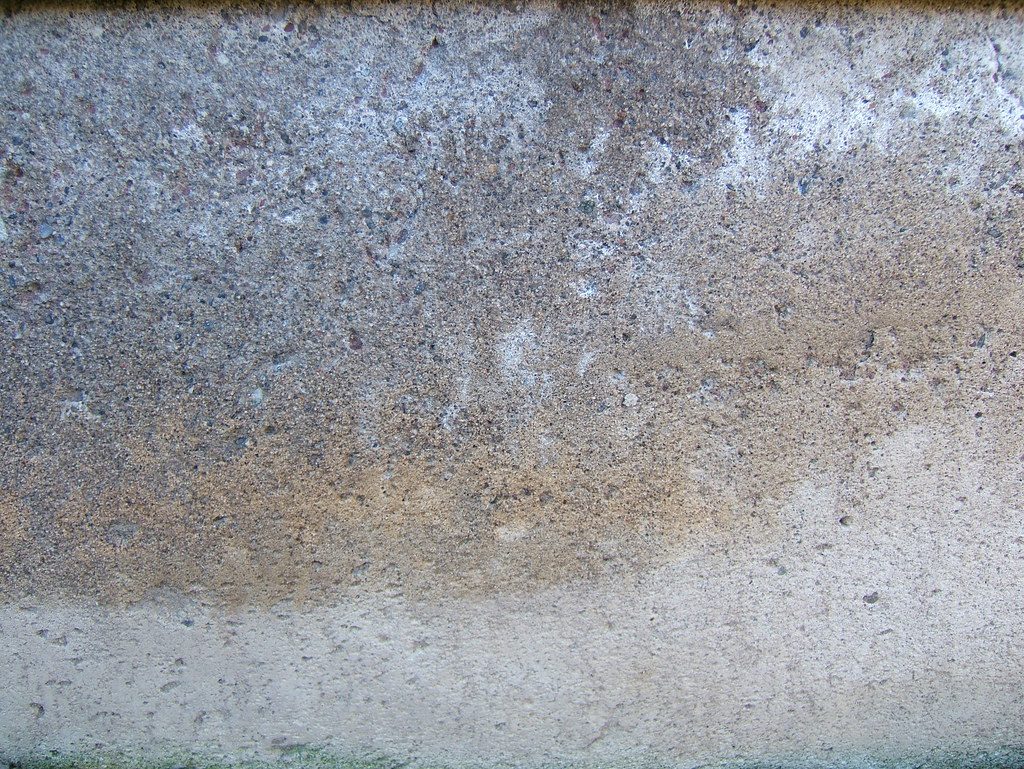
Why Can't a Pressure Washer Remove Rust?
Here is the honest answer most people learn the hard way: rust is not on your concrete, it is in it. When iron-rich water or a rusting piece of metal sits on concrete, the iron oxidizes and the oxide molecules migrate into the pores and bond there chemically. Pressure washing removes things that sit on a surface. It cannot un-bond a mineral that has become part of the surface.
Worse, turning up the pressure actively damages the job. High pressure on a rust stain erodes the cream layer of clean concrete around it, leaving a fuzzy etched halo, and drives moisture and oxidation deeper into the slab, setting the stain further in. We have seen plenty of Garner driveways where a rented machine turned one orange stripe into one orange stripe with a permanent wand mark around it. Rust removal is a chemistry problem, and it has a chemistry answer.
Where Do Rust Stains in Garner Come From?
- Irrigation water. The most common source by far. Sprinkler systems drawing from wells pull up dissolved iron, and every watering cycle paints a little more orange onto driveways, curbs, fences, and siding in the spray pattern. The tell is a stain that follows an arc.
- Fertilizer. Many lawn products contain iron, and granules left to dissolve on a wet driveway leave a constellation of small orange dots that gets more stubborn with every rain.
- Metal furniture and equipment. Patio chair feet, grill legs, planters, basketball hoop bases, and trailer tongues all leave rust rings and drip lines where bare metal meets moisture.
- Battery acid. A parked car or mower with a leaking battery drips acid that both stains and chemically etches concrete. These are the hardest cases, and we will be straight with you about what is stain versus permanent etching.
How Does Professional Rust Removal Work?
Rust responds to specific acids, with oxalic acid and related specialty rust removers as the workhorses. These cleaners dissolve iron oxide into a form that rinses away freely, without attacking the concrete, brick, or masonry around the stain. The process is deliberate: clean the surrounding surface first so the treatment contacts the stain directly, apply the right product at the right strength, let it dwell while it works, then rinse and neutralize completely. Different surfaces get different products, because a cleaner that is safe on broom-finished concrete can damage colored or sealed concrete, and anything acid-based needs care around metal and glass. This is exactly why the fix is knowledge and chemistry rather than a bigger machine.
What About Red Clay Staining?
Wake County red clay deserves its own section, because it is Garner's signature stain. The clay gets its color from iron oxides, the same chemical family as rust, which is why clay splash behaves like rust: it bonds to concrete and masonry, ignores the garden hose, and laughs at pressure alone. Every hard rain splashes it from bare soil and construction runoff onto foundations, brick skirts, garage aprons, curbs, and the bottom two feet of siding, and the newer subdivisions off White Oak Road and NC-42 see it constantly while lawns establish. The good news: because it is chemically rust's cousin, it responds to the same family of treatments. A driveway wash with red clay pre-treatment, or a soft wash with clay treatment along the foundation line, removes staining that has survived years of scrubbing.
What About Oil, Grease, and Other Stains?
Oil and grease are the opposite problem from rust: organic rather than mineral, so acids do nothing, but hot water and degreaser do. Fresh drips usually come out entirely. Older spots that have soaked deep may need repeat treatment and can leave a faint shadow, since concrete absorbs oil like a sponge absorbs water. Oil work pairs naturally with a full driveway and concrete cleaning, which resets the whole slab instead of leaving clean spots on gray concrete.
Efflorescence, the white chalky deposit on brick, block, and pavers, is dissolved mineral salts carried to the surface by moisture and left behind when the water evaporates. Like rust, it is a mineral deposit that needs the right chemistry rather than pressure, and like rust, treating it wrong (or just blasting it) makes it look worse. We remove the deposit and can point out the moisture source feeding it.
What Results Should You Honestly Expect?
Most rust and clay staining removes completely or nearly so, and the transformation on an orange-striped driveway is dramatic. But we would rather set expectations straight than oversell: rust that has sat for many years and migrated deep may lighten substantially rather than disappear, battery acid etching is permanent damage no cleaner reverses, and long-standing oil can leave a shadow. We assess every stain during the quote and tell you which category yours is in before you commit a dollar. If the source is still active, like an iron-heavy sprinkler head spraying the driveway, we will point that out too, because removing a stain that is being repainted every week is money down the drain.
What Does Stain Removal Cost?
Spot treatments are usually a modest add-on to a driveway or house wash, and standalone stain work is quoted after we see the stain, its age, and the surface it is on. Typical local ranges for the full menu are in our Garner pressure washing cost guide, and every job gets an exact written price up front. Send a photo of the stain through the contact page and we can often tell you what you are dealing with before we ever roll a hose off the truck.
Frequently Asked Questions
Why did pressure washing make my rust stain look worse?
Because rust is not dirt sitting on the surface; it is iron oxide chemically bonded inside the concrete pores. High pressure erodes the clean surface around the stain and drives the oxidation deeper, so the stain ends up framed by an etched halo and often looks darker. Rust removal is a chemistry job. The right acid dissolves the iron oxide so it rinses away without touching the concrete around it.
Where do the orange stains on my concrete come from?
The usual Garner suspects are irrigation water drawing from wells with dissolved iron, fertilizer granules left to dissolve on the driveway, metal patio furniture and grill legs, car battery acid drips, and red clay wash-off from bare soil. Each one deposits iron oxides, which is why they all read as some shade of orange to brown, and each responds to targeted chemistry.
Can you remove red clay stains from my driveway and siding?
Yes, and it is one of the most common requests in Garner. Wake County red clay is loaded with iron oxides, the same chemical family as rust, which is why it stains orange and will not rinse off with a hose. It responds to the same family of specialty cleaners, applied after the surface grime is washed off so the treatment works directly on the mineral stain.
Will the stain come out completely?
Fresh and moderate rust usually comes out fully or very close to it. Old, deep rust that has had years to migrate into the concrete may lighten dramatically rather than vanish, and battery acid stains sometimes involve permanent etching of the concrete itself, which no cleaner can reverse. We assess during the quote and tell you which outcome to expect before you spend anything.
Is the rust removal chemistry safe for my lawn and plants?
The products we use for rust, including oxalic-acid-based cleaners, are handled carefully: plants and grass at the edges get pre-wetted, the treatment is applied only where the stain is, and everything is rinsed and neutralized thoroughly afterward. We also keep these products off metal fixtures and glass, where the wrong cleaner can do its own damage.
Ready for a like-new exterior?
Up-front pricing, fast scheduling, and results you can see from the curb. Serving Garner and southeast Wake County.