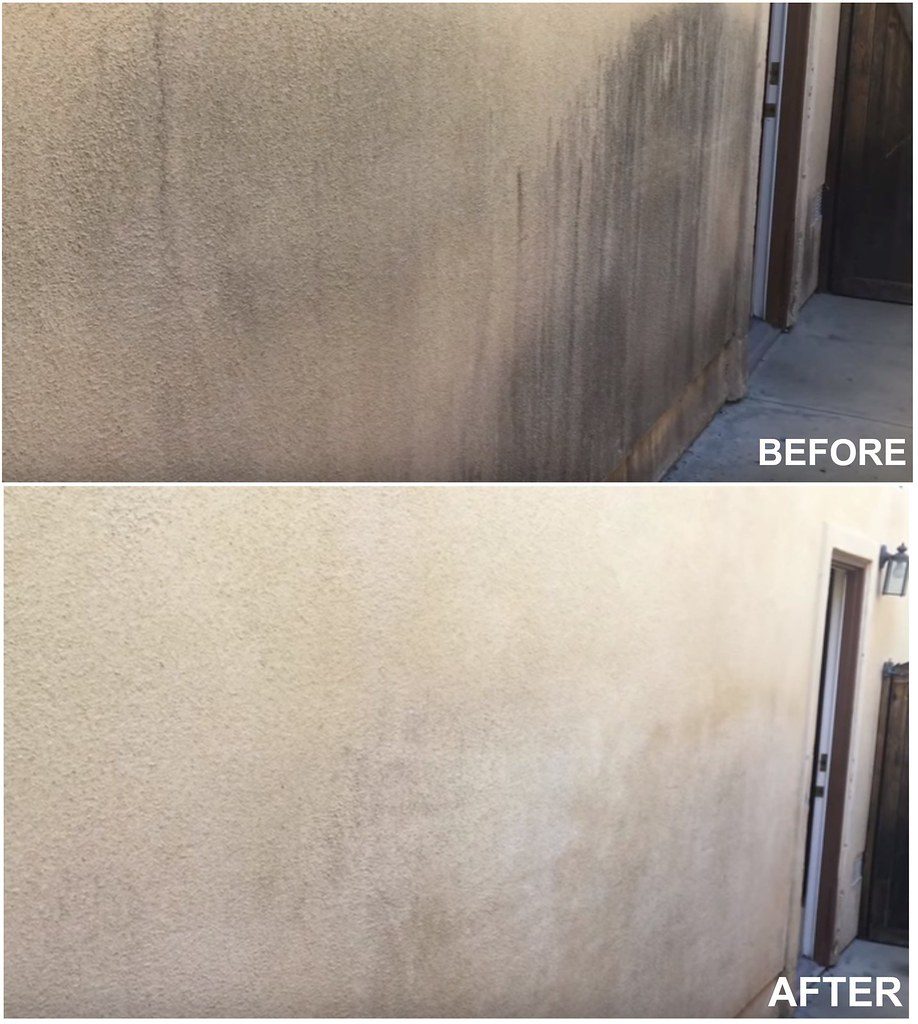
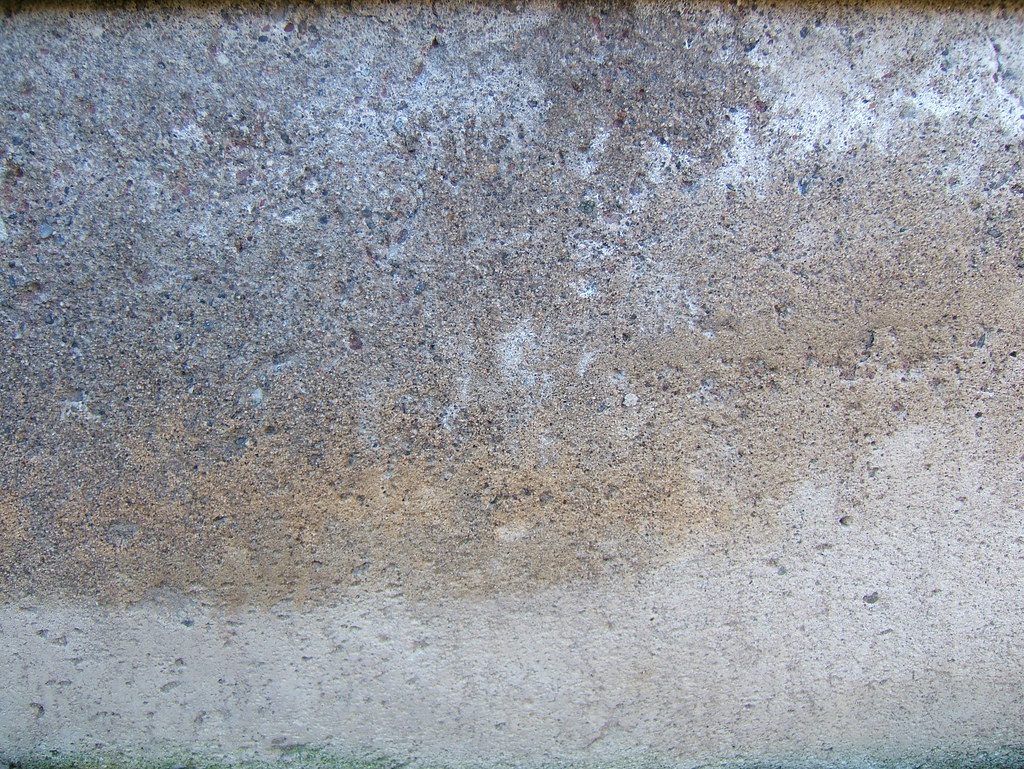
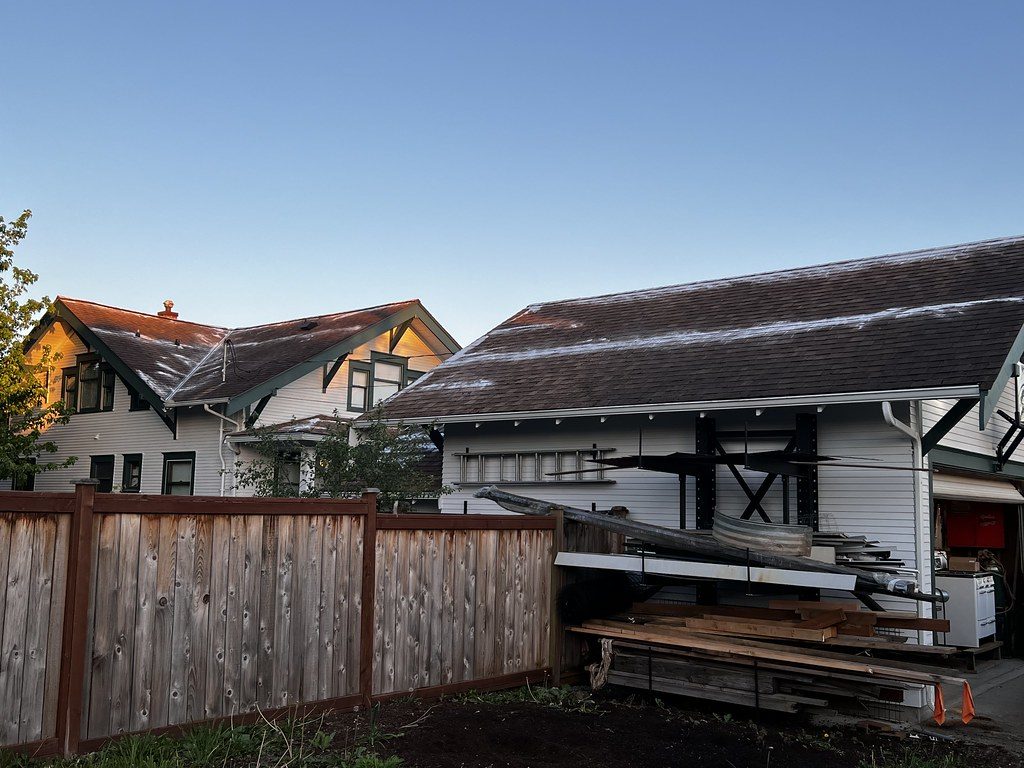
How to Clean a Brick House Without Damaging It
Garner Pressure Washing • September 26, 2026 • 9 min read
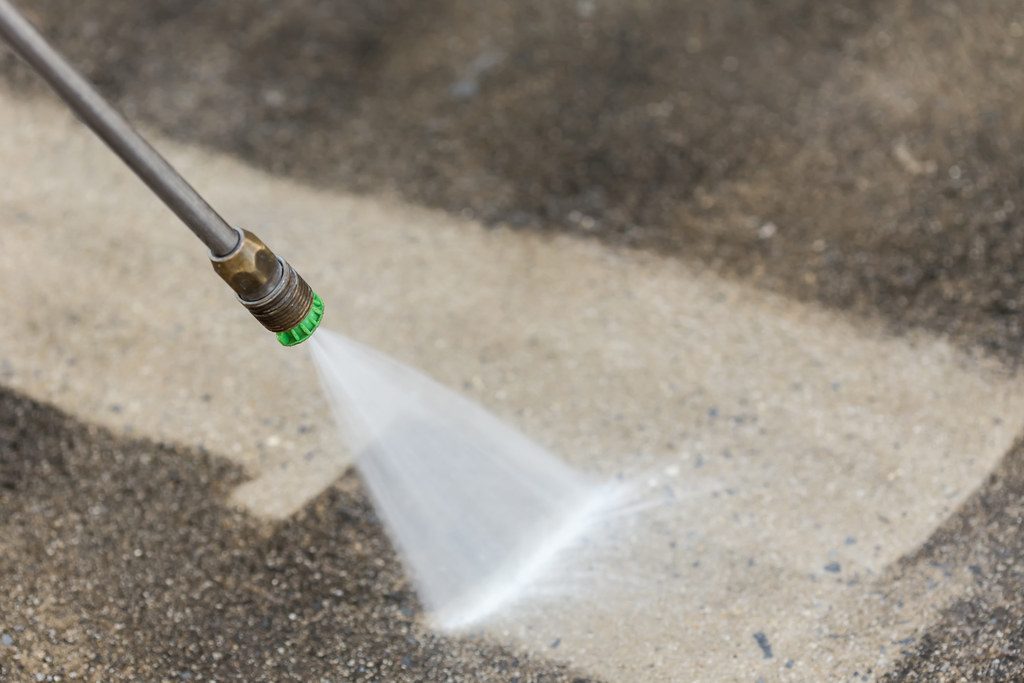
Brick looks indestructible, which is exactly why it gets damaged. People who would never point a pressure washer at vinyl will happily blast a brick wall, and the result is soft mortar washed out of the joints, a scarred face on the brick, and white stains that appear a few weeks later. If you want to know how to clean a brick house exterior without damaging it, the good news is that the brick industry has published the rules in detail.
That source is the Brick Industry Association’s Technical Note 20, Cleaning Brickwork, and everything in this guide that sounds like a number comes from it. We cover the pressure limits, why mortar joints are the weak point, a step-by-step method, and the three brick-specific stains Garner homeowners ask about: white efflorescence, green growth, and red clay on the brick skirt.
Plenty of homes in Garner are full brick, especially in older neighborhoods like Van Story Hills and around Historic Downtown Garner, and many newer houses off NC-42 and White Oak Road have brick skirts or front elevations with siding above. The method is the same either way.
Can You Pressure Wash a Brick House?
Yes, but only at low pressure, with the right tip, at a set distance. BIA Technical Note 20 defines pressure classes and says plainly that high-pressure water cleaning “is not appropriate for brick and may damage the brickwork.”
| Pressure class (BIA TN 20) | Pressure at the nozzle | What BIA says it is for |
|---|---|---|
| Very low | Less than 100 psi | Pre-wetting the wall before any cleaner goes on |
| Low | 100 to 400 psi | Rinsing cleaning solution off the brick |
| Medium | 400 to 800 psi | ”May be appropriate in some cases,” only if the brick manufacturer permits |
| High | Over 800 psi | ”Not appropriate for brick and may damage the brickwork” |
Three details in the note matter as much as the number:
- Measure at the tip. BIA says pressure “should be measured at the tip of the nozzle.” The number printed on a machine is not necessarily what reaches the wall.
- Use a wide fan. A “25 to 50 deg. fan-shaped stainless steel nozzle tip,” not a narrow or rotating tip.
- Keep your distance. At least 12 inches between the nozzle tip and the brick.
The note also asks for “uniform horizontal strokes” at a steady distance and angle, which is harder than it sounds on a ladder. For how brick fits alongside the other surfaces on a house, our comparison of soft washing vs pressure washing sets out which method goes where.
Why Are Mortar Joints the Weak Point?
Mortar joints are softer than the brick around them, so they erode first. BIA warns that excessive pressure “may damage brick surfaces, erode mortar joints, and remove finishes,” and that aggressive methods such as high-pressure water “can etch mortar joints and remove the outer surface of brick, resulting in permanent damage.”
Once mortar is washed out of a joint, the wall takes on water more easily, and the fix is repointing, not cleaning. Two other things in the note protect joints:
- No metal brushes. BIA says metal brushes “may damage mortar joints or result in further staining,” because small steel particles left behind can rust. Use stiff fiber or nylon bristles.
- No unbuffered muriatic acid. The note says not to use unbuffered muriatic (hydrochloric) acid; improperly mixed or overly strong acid “can etch the brick or dissolve cementitious materials from mortar joints” and can cause “acid burn” on lighter brick. Acid cleaning is a new-construction mortar-smear job, not a house wash.
Pro tip: Soak the wall below where you are working, not just the section you are cleaning. BIA says surfaces below “should also be saturated and kept wet until after the final rinse to prevent streaking and absorption of the runoff from above.” Dry brick drinks dirty runoff and shows it as streaks.
How to Clean a Brick House Exterior, Step by Step
This is the BIA sequence, simplified for a house rather than a construction site.
- Pick a test area. Try your cleaner and method on a small, hidden section first, let it dry, and look at the result before doing the whole wall. BIA treats trial cleaning as the standard for the rest of the job.
- Protect plants and nearby surfaces. BIA notes it may be necessary to keep cleaning solution and runoff away from plants and soil, and to protect adjacent materials such as windows, trim and metal.
- Saturate the wall. Wet the brick thoroughly with very low pressure (under 100 psi, which a garden hose manages) so it does not absorb the cleaner. Keep the wall below wet too.
- Apply the cleaner gently. Use a product made for brick and follow its label. BIA says to apply by long-handled stiff-bristle brush or a pump sprayer at no more than 50 psi, working about 20 square feet at a time, and to “depend on the chemical reaction of the cleaner rather than the scrubbing action of the brush.”
- Rinse before it dries. BIA’s guidance is to flush with plenty of clean water before the surface can dry, roughly 5 to 10 minutes after application, at low pressure (under 400 psi). Keep rinsing until the runoff at the base of the wall runs clear.
- Mind the weather. BIA says not to clean during freezing weather, to prefer water cleaning only when it will stay at 40 °F or above until the wall is dry, and in hot weather to work in shaded sections so cleaner does not dry on the brick.
A soft wash follows the same logic: cleaner does the work, low pressure rinses it off. Our house washing service cleans brick, vinyl and fiber cement on the same visit, each at the pressure it can take.
What Is the White Powder on Brick?
A white, powdery or crystalline bloom on brick is usually efflorescence: water-soluble salts carried to the surface by moisture moving through the wall. BIA says these salts are “relatively easy” to remove compared with other stains and often “disappear of their own accord with normal weathering,” particularly the “new-building bloom” that shows up on newer homes as the wall dries out after construction.
The order of work matters:
- Fix the water source first. BIA says “any sources of moisture ingress should be repaired and the brickwork allowed to dry” before removal. On a house that usually means a gutter overflowing onto the wall, a downspout emptying against the foundation, or a sprinkler wetting the brick.
- Dry-brush it. “White efflorescence can often be removed by dry-brushing or brushing with a stiff fiber brush and water.”
- Only then consider a cleaner, for heavy or stubborn deposits, following the manufacturer’s instructions.
BIA also lists skipping the pre-wet as a cause of efflorescence and other stains during cleaning, so more water at higher pressure is not the answer.
Not every white mark is efflorescence. White streaks running down brick from painted siding or trim above are usually chalk rundown from weathered paint, and our guide to chalky residue on siding covers that.
Why Is There Green on My Brick?
Green on brick has two possible causes, and they need different treatment.
Organic growth. Algae, moss and lichen grow where brick stays damp. BIA’s note describes surfaces that remain “in a constantly damp condition” encouraging “moss, algae, lichen, or other microbial or organic growth,” and says masonry biocides, or household bleach used according to directions, can remove it. In Garner this is the shaded side of the house, the bottom courses behind foundation shrubs, and walls under leaky gutters. If you are not sure whether a stain is growth, the bleach drop test in mold vs mildew vs algae on siding works on brick too.
Vanadium stain. A green stain on light-colored brick, often appearing soon after construction or cleaning, can come from salts in the brick itself rather than anything growing on it. BIA lists it separately as “Vanadium (Green) Stain,” notes that household bleach can remove mild cases, and warns that the wrong acid cleaner can make it worse. If green appears on tan or buff brick right after an acid wash, suspect vanadium, not algae.
What About Red Clay on the Brick Skirt?
The bottom course of a Garner brick skirt is often stained orange from red clay splashing up out of bare beds. It is a mineral stain, not growth, so bleach does nothing and more pressure only erodes the joints. It needs a clay-specific cleaner, the same chemistry behind getting red clay stains off concrete, applied gently and rinsed at low pressure. Covering the bare soil with mulch or pine straw stops the splash coming back. Heavy iron staining can also be quoted as part of our rust and stain removal service.
Frequently Asked Questions
What psi is safe for cleaning brick?
BIA Technical Note 20 calls 100 to 400 psi, measured at the nozzle tip, “low pressure” and uses it for rinsing brick. Pre-wetting uses under 100 psi. Medium pressure (400 to 800 psi) is only for brick whose manufacturer permits it, and anything over 800 psi “is not appropriate for brick.”
Can I use a pressure washer on old brick?
Only at low pressure with a wide fan tip held at least 12 inches away, and only after testing a hidden area. If the mortar on an older Garner home is already sandy or crumbling to the touch, a strong jet will wash it out even faster. Hand cleaning with a brush and a brick-safe cleaner is the gentler choice.
Is bleach safe on brick?
BIA’s note says household bleach, used according to directions, can remove organic growth on masonry and mild vanadium stains. Wet the wall first, protect plants, rinse thoroughly, and never mix bleach with ammonia or acid cleaners.
Will efflorescence go away on its own?
Often, yes. BIA says efflorescing salts are water-soluble and generally disappear with normal weathering, especially on new homes. If it keeps coming back, water is getting into the wall, and fixing that source is the real cure.
How much does it cost to have a brick house washed?
It depends on the size of the house, the stains and whether siding and trim are included, so we do not give a figure here. You can ask for a free quote, and the Garner pressure washing cost guide explains what drives the price.
Clean Your Brick House Exterior the Safe Way
The safe way to clean a brick house exterior is the one the brick industry publishes: wet the wall, let a suitable cleaner do the work, rinse at low pressure with a wide fan, and leave the mortar where it is. Deal with efflorescence by fixing the water, and treat green and clay stains as the separate problems they are.
If you would rather not do it from a ladder, we can quote a low-pressure brick and house wash for homes in Garner, Clayton, South Raleigh, Willow Spring and Fuquay-Varina. See the pricing guide for what affects cost, or contact us for a free quote.