Can You Pressure Wash Hardie Board Siding?
Garner Pressure Washing • September 26, 2026 • 7 min read
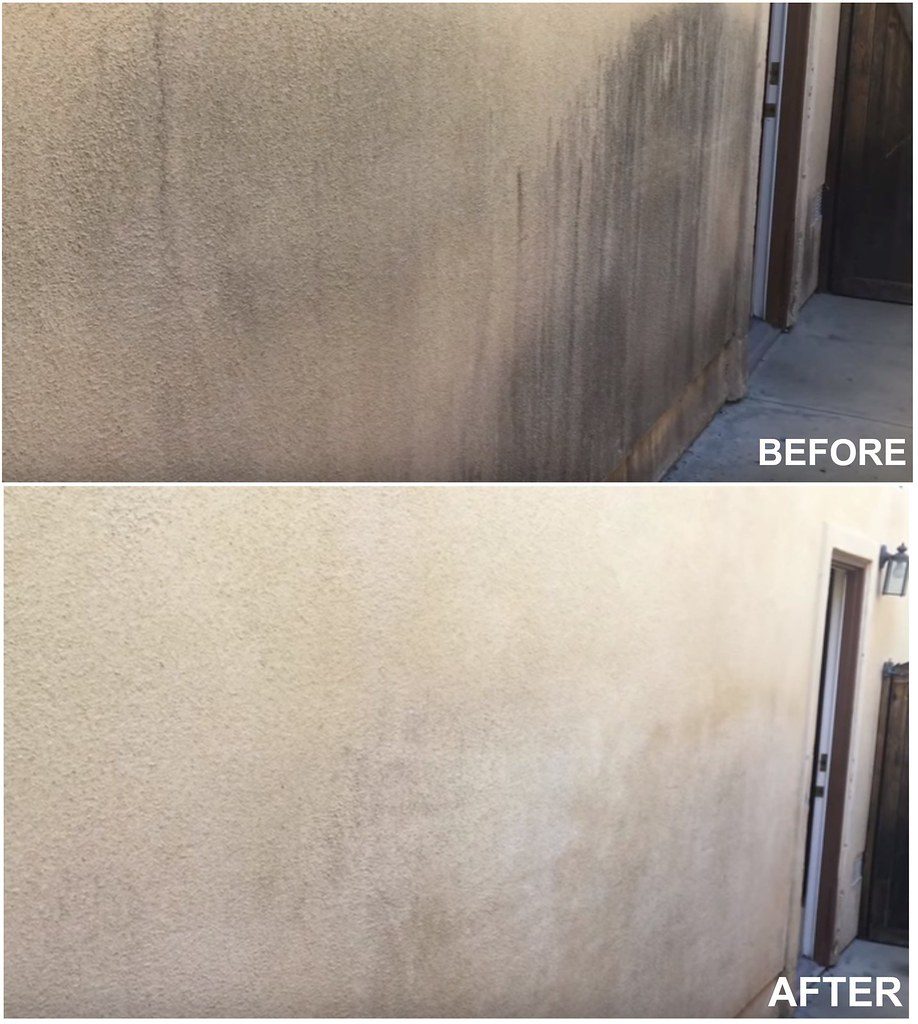
Fiber cement siding is on many newer homes around Garner, from the subdivisions off NC-42 to the infill along White Oak Road, and it is often sold as the tough, low-maintenance option. So when it goes grey with road dust or green on the shaded side, a lot of owners reach for the pressure washer. Before you do, it is worth asking the simple question: can you pressure wash Hardie board siding?
The manufacturer has already answered it. James Hardie’s own FAQ says that “using a pressure washer can damage the surface of Hardie siding.” Most of the advice online comes from contractors paraphrasing that line, sometimes with numbers attached that we could not find on James Hardie’s US pages. This post sticks to what the manufacturer publishes: why pressure is the problem, what James Hardie says to use for each kind of stain, and how a low-pressure soft wash fits (and where it needs care).
It covers fiber cement only. Vinyl and brick have their own rules, set out in how to prevent algae on vinyl siding and how to clean a brick house exterior.
Can You Pressure Wash Hardie Board Siding?
No. James Hardie tells owners not to. Its frequently asked questions answer “Can you pressure wash fiber cement board siding?” with: “Using a pressure washer can damage the surface of Hardie siding. Instead, use a low pressure water spray from your garden hose and a soft, medium bristle siding cleaning brush to remove dirt and debris once or twice a year.”
Its siding cleaning guide says the same thing more bluntly: “Don’t use a high-pressure power washer.” It recommends “a low-pressure hose and a soft medium bristle (nonmetal) brush” and a rinse “every 6-12 months.”
You will see specific psi limits and minimum distances quoted on contractor sites, usually attributed to a James Hardie bulletin. We could not open that bulletin to check it, and neither of the James Hardie US pages above gives a number, so we do not repeat one. The manufacturer’s instruction you can verify is simpler: garden hose, soft brush.
What Are You Actually Protecting?
You are protecting the finish, not the board. Fiber cement is a dense, cement-based plank, and the part that meets the weather is its paint: either a factory finish (James Hardie sells one under the name ColorPlus) or paint applied on site. That paint is what gives the house its color, and it is what a pressure washer wears away.
James Hardie’s guide is specific about abrasion too: “Be sure not to use a hard metal brush or abrasive sponge,” because these can damage the siding’s finish. The same logic applies to water. A narrow, close jet concentrates force on a small patch of paint, and the edges of planks, corners and nail heads are where it lifts first.
There is a second reason to keep pressure low. Fiber cement is installed as overlapping planks with butt joints and caulked edges, and James Hardie’s FAQ recommends “inspecting the caulk sealing around the edges of your home, and repairing it if it should fail.” A strong jet aimed up under the laps or into a tired caulk line pushes water where it is not meant to go. For how the different surfaces on a house compare, see soft washing vs pressure washing.
How to Clean Hardie Board Siding, Stain by Stain
James Hardie’s cleaning guide gives a separate method for each kind of soiling. Here it is in one place.
| What is on the siding | What James Hardie says to use | Key cautions from the same page |
|---|---|---|
| Dust and dirt | Water, with a soft cloth or soft brush, then a garden-hose rinse | No hard metal brushes or abrasive sponges |
| Oil, grease or organic contaminants | Mild liquid dishwashing soap and water on a soft cloth | ”Do not allow soap or cleaners to dry on the siding,” rinse continuously, and “do not use harsh chemicals, such as bleach or acid” |
| Mold and mildew | A mildew-specific cleaner and water, with a soft cloth or sponge | Follow the product label and wear the protective equipment it prescribes |
The guide also notes that maintenance needs vary by location and exposure, and it points owners of factory-finished siding to the ColorPlus care instructions supplied with the product. If you have the paperwork from your builder, those instructions are the final word for your house.
Pro tip: Never let cleaner dry on fiber cement. James Hardie’s guide says to keep rinsing until all the soap has washed off. On a hot, sunny Garner afternoon that means working in small sections on the shaded side of the house, or doing the sunny walls early in the morning.
Where Does Soft Washing Fit on Fiber Cement?
A soft wash is a low-pressure clean: the cleaning solution does the work and the rinse is gentle, which lines up with James Hardie’s “low-pressure” instruction far better than a pressure wash does. That is why fiber cement is normally soft washed rather than pressure washed.
The part that needs care is the chemistry. Many soft wash mixes for vinyl are bleach based, and James Hardie’s guide warns against “harsh chemicals, such as bleach or acid” in its section on oil and organic stains, and asks for a mildew-specific cleaner for mildew. So on fiber cement, the questions to ask any company (including us) are:
- What is in the mix, and at what strength?
- Is the product labeled for painted surfaces, and does it fit the manufacturer’s care guidance for your finish?
- Will it be tested on a hidden section first?
- Will it be rinsed thoroughly at low pressure, and kept off from drying on the wall?
A good answer to all four is what you are paying for. Our house washing service page explains how a soft wash is done, and we can talk through the mix for your siding before anything goes on the wall.
What If the Siding Looks Chalky or Faded?
If you rub your hand across the siding and it comes away white, the paint is chalking, not dirty. That is a paint condition, and washing it harder will not fix it. Our guide to chalky residue on siding explains the test, what causes it, and what to do before repainting.
If the discoloration is black specks or a green film, it is probably mildew or algae, and the bleach drop test in mold vs mildew vs algae on siding will confirm it. On fiber cement, check your manufacturer’s guidance before trying even a drop of bleach, and do it in a hidden spot.
Frequently Asked Questions
What psi is safe for Hardie board siding?
James Hardie’s US FAQ and cleaning guide do not give a psi figure; they say to use “a low pressure water spray from your garden hose” and a soft brush, and not a pressure washer. Figures you see online are attributed to a regional bulletin we could not verify, so the safe answer is the manufacturer’s: garden-hose pressure.
Can you use bleach on Hardie siding?
James Hardie’s cleaning guide says not to use “harsh chemicals, such as bleach or acid” for oil and organic stains, and to use a mildew-specific cleaner, following its label, for mold and mildew. If you are unsure, check the care instructions for your finish before using any bleach-based product.
How often should Hardie board siding be cleaned?
James Hardie recommends rinsing the siding “every 6-12 months,” and its FAQ says “once or twice a year.” In Garner, the shaded north side and walls near trees usually need it at the shorter end of that range, especially after spring pollen.
Will pressure washing void my Hardie siding warranty?
We could not find a statement from James Hardie saying that, so we will not claim it. What James Hardie does say is that a pressure washer can damage the surface. Read the warranty that came with your siding for its exact terms.
Can I soft wash Hardie board siding?
Yes, as long as the pressure stays low and the cleaner suits a painted fiber cement finish. Test a hidden area, keep the solution from drying on the wall, and rinse thoroughly. You can ask for a free quote for a soft wash and ask what the mix will be.
How do I get mildew off fiber cement siding?
Use a mildew-specific cleaner and water with a soft cloth or sponge, as James Hardie’s guide recommends, following the product label and wearing the protective gear it lists. Rinse with a garden hose. If mildew keeps returning on one wall, the fixes in our algae prevention guide apply to fiber cement too.
Clean Hardie Board Siding the Way the Manufacturer Says
So, can you pressure wash Hardie board siding? The manufacturer says no: a garden hose, a soft brush and the right cleaner for the stain. A low-pressure soft wash fits that approach when the chemistry is chosen with care.
We can quote a low-pressure fiber cement wash for homes in Garner, Clayton, South Raleigh, Willow Spring and Fuquay-Varina. The Garner pressure washing cost guide explains what drives the price, or contact us for a free quote.