Algae-Resistant Shingles: Worth It in NC?
Garner Pressure Washing • September 26, 2026 • 7 min read
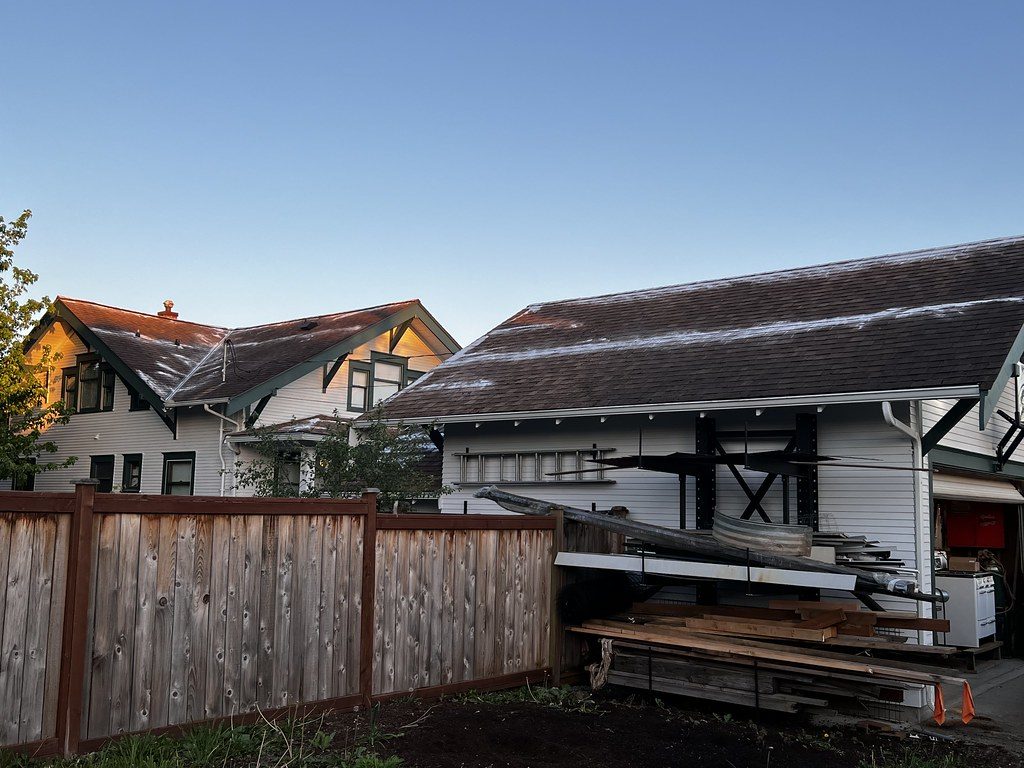
Two kinds of Garner homeowners end up reading about algae resistant shingles. The first is about to re-roof and sees an “AR” line on the roofer’s quote, wondering if it is worth choosing. The second has a roof that is only a few seasons old and is already showing dark streaks on the back slope, and wants to know how that happened.
Both questions have the same starting point. Algae staining is common in warm, humid regions: the Asphalt Roofing Manufacturers Association (ARMA) says it is “most widespread in the Gulf States and along the Northwest and Eastern Seaboards,” and especially in areas “subjected to warm, humid conditions” (ARMA, Algae Discoloration of Roofs). Central North Carolina fits that description, and neighborhoods with heavy tree cover like Heather Hills and Aversboro Forest fit it better than most.
This guide covers what algae-resistant shingles are, what they do and do not promise, why a newer roof can still streak, what an algae warranty usually looks like, and how to decide whether they are worth it on your next roof.
What Are Algae-Resistant Shingles?
Algae-resistant shingles are asphalt shingles with copper built into some of their surface granules, so that a small amount of copper is released as the roof weathers. CertainTeed describes its version as using “copper-containing granules” with “natural anti-algae properties,” where the copper is “gradually released to provide reliable, long-term protection against algae formation” (CertainTeed, Algae-Resistant Shingles).
The other major manufacturers sell their own versions under their own names, and ARMA confirms the category exists: “several types of algae-resistant roofing shingles have been developed and are now commercially available,” designed “to inhibit algae growth for extended periods of time.”
Note the word inhibit. That is the industry’s own claim, and it is a claim about slowing growth, not about a roof that can never stain.
Why Does a Newer Roof Still Get Black Streaks?
A newer roof can streak because not every new roof is algae-resistant, and because the ones that are still depend on conditions. The most common reasons:
- The shingles were never AR. Builder-grade roofs in fast-growing subdivisions are not always specified with algae-resistant shingles. The only way to know is the product name on the invoice or the builder’s paperwork.
- The accessories may differ. Ridge caps and starter strips are separate products. Ask whether they carry the same algae resistance as the field shingles, and check the paperwork.
- Shade and moisture win locally. Resistance is gradual and chemical. A north slope under a pine canopy near Lake Benson Park that stays damp most of the day is a harder test than an open south slope in a newer section off NC-42.
- It may not be algae. ARMA says algae “should not be confused with moss or tree droppings, which typically produce only localized discoloration.” A dark patch under one overhanging branch is a different problem from streaking down a whole slope.
If the growth is green and raised rather than flat and dark, see our guide to moss on roof shingles. If it is classic vertical streaking, the black streaks on roof shingles guide explains what it is and how it comes off.
What Does an Algae Warranty Usually Cover?
An algae warranty is a separate, limited promise about discoloration, and its length and terms depend on the manufacturer and the product line. CertainTeed, for example, says it warrants its algae-resistant shingles against blue-green algae for a period that depends on the product, and that it will “pay, without proration, the reasonable cost to replace or clean the affected shingles” if they are covered.
Because terms vary from brand to brand and change over time, we do not quote a length here. What to look for in your own document:
| Question to ask | Why it matters |
|---|---|
| Which exact product is on the roof? | Algae coverage is tied to specific product lines |
| How long is the algae coverage? | It is often a different length from the shingle warranty |
| Does it cover cleaning, replacement or both? | Some terms pay for cleaning affected shingles |
| Are ridge caps and starters included? | Accessories may carry their own terms |
| Are there registration or installer conditions? | If there are, the warranty document will say so |
| How do you make a claim? | Claims usually need to go to the manufacturer before work is done |
Pro tip: If your roof is algae-resistant and streaking while it is still within the algae coverage period, contact the manufacturer before you pay anyone to clean it. If the warranty pays to clean or replace affected shingles, you want the claim documented first. Our post on whether roof cleaning voids a shingle warranty covers how to read the rest of the document.
Are Algae-Resistant Shingles Worth It in NC?
For most homes in the humid Southeast they are worth considering, but the value is in appearance, not roof life. ARMA says there is “no scientific evidence that algae is damaging to asphalt shingles, although it certainly affects the aesthetics of a roof.” So the decision is about how much you care about the look over the life of the roof, and how often you would otherwise clean it.
The factors that push the answer toward yes:
- Heavy shade or tree cover. Lots backing onto wooded buffers, common in Van Story Hills and around Lake Benson, give algae its best conditions.
- A light-coloured roof. ARMA notes algae can turn “white or light-colored roofs” dark brown or black, so it shows more on light shingles.
- HOA appearance rules. In subdivisions that send exterior notices, a roof that stays clean longer is one less letter.
- A long stay. The longer you expect to own the house, the more of the resistance you get to use.
The factors that push it toward “less important”: a mostly open, sunny lot, a dark shingle colour where streaks show less, or a plan to sell soon. Ask your roofer to quote the roof with and without the algae-resistant option so you can compare.
ARMA also lists zinc or copper strips as an option at replacement. Our post on whether zinc strips work on roofs explains that choice, and why the industry advises against adding strips to a roof that is already on.
Frequently Asked Questions
Can I make my existing shingles algae-resistant?
Not in the way AR shingles are. The copper is part of the granules made at the factory. ARMA also advises against adding zinc or copper strips to an existing roof because of exposed nails or broken sealant bonds. On an existing roof, the options are trimming for sun, keeping water draining and cleaning with the low-pressure method.
Do algae-resistant shingles stop moss?
They are sold for algae. ARMA mentions copper granules and metal strips as ways to prevent algae and moss at replacement, but shade and debris still matter most for moss. Trimming branches remains the first step.
Can algae-resistant shingles be cleaned?
Yes. ARMA’s method applies to asphalt shingles generally: a bleach and water solution left on for 15 to 20 minutes, then a gentle low-pressure rinse, with no pressure washer, brush or broom. If your roof is under an algae warranty, check the claim process first. A professional soft wash roof cleaning follows that method.
How do I know if my roof has algae-resistant shingles?
Check the roofer’s invoice, the builder’s closing documents or the warranty registration for the exact product name, then look that product up on the manufacturer’s site. If you bought a newer home in Garner and have no paperwork, the builder or the original roofer may be able to tell you.
Why is only the back of my new roof streaked?
Because that slope dries last. North-facing and tree-shaded planes stay damp longer, which is where algae establishes first, algae-resistant or not. It is the same reason siding goes green on the shaded side of a house, which our house washing page covers.
What drives the price of cleaning a roof before replacement?
Roof size, pitch, height and how heavy the growth is. The NC roof cleaning cost guide explains each factor.
Deciding on Algae-Resistant Shingles
Algae resistant shingles are a sensible choice on a humid North Carolina roof, as long as you buy them for what they promise: slower staining and a better-looking roof for longer, not a longer-lasting roof. Check the product name, read the algae warranty, and ask about the ridge caps and starters too.
If your current roof is streaked and replacement is still years away, we can quote a low-pressure roof wash for homes in Garner, Clayton, South Raleigh, Willow Spring and Fuquay-Varina, with up-front pricing and a free quote. Contact us with a photo, or see the Garner pressure washing cost guide for how pricing works.