Does Roof Cleaning Void Your Shingle Warranty?
Garner Pressure Washing • September 26, 2026 • 7 min read
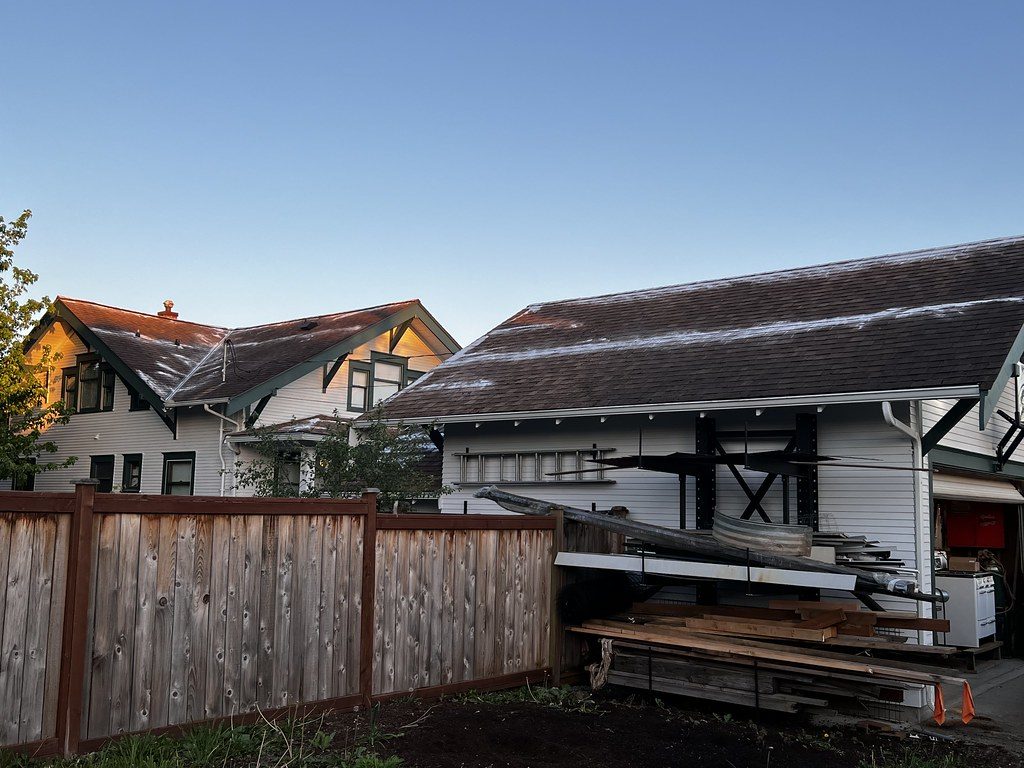
Ask around about cleaning a streaked roof and someone will warn you that it “voids the warranty.” It is one of the most repeated lines in roof cleaning, and it stops plenty of Garner homeowners from doing anything at all. So, does roof cleaning void your warranty?
Here is the honest answer. We could not find a shingle manufacturer’s own text saying that cleaning a roof, by itself, voids the shingle warranty. What the manufacturers and their trade body do publish is how a shingle roof should be cleaned and what should never touch it. The line about voided warranties is repeated mostly by third parties, not the companies that write the warranties.
That makes the useful answer less of a yes or no and more of a checklist: follow the method the industry publishes, avoid the methods it warns against, and read your own warranty document. This guide covers what GAF and the Asphalt Roofing Manufacturers Association (ARMA) say, where the real risk to your roof comes from, how to read your warranty, and what to ask anyone before they climb onto a roof in Eagle Ridge, South Creek or anywhere else.
What Do Shingle Manufacturers Actually Say About Cleaning?
They say to clean with a bleach solution applied gently and rinsed at low pressure, and never with a pressure washer. Two published sources set out the method:
- ARMA, the trade association for asphalt shingle makers, calls “a 50:50 mix of laundry strength liquid chlorine bleach and water” the most effective way to clean algae and moss, with a dwell time of 15 to 20 minutes and a thorough low-pressure rinse (ARMA, Algae and Moss Prevention and Cleaning).
- GAF, in its technical bulletin on algae staining (TAB-R-102), describes a mix of water, bleach and trisodium phosphate (or a substitute) applied with a garden sprayer, left for up to 20 minutes, then rinsed at low pressure, with no power washing and with the shrubs below protected (GAF TAB-R-102).
Side by side, the two agree on almost everything that matters:
| Step | ARMA | GAF TAB-R-102 |
|---|---|---|
| Cleaning agent | Bleach and water, 50:50 | Water, bleach and TSP or a substitute |
| Application | Applied gently | Garden sprayer |
| Dwell time | 15 to 20 minutes | Up to 20 minutes |
| Rinse | Low-pressure water | Low-pressure water |
| Pressure washer | Never | No power washing |
| Surroundings | Avoid damage to the building and landscape | Protect shrubs below |
ARMA’s companion bulletin adds one more instruction that matters for anyone planning to scrub: “DO NOT use a power washer or any type of brush or broom” (ARMA, Algae Discoloration of Roofs).
Where Does the Real Risk to Your Roof Come From?
The real risk is damage, not cleaning. A roof cleaned the way ARMA and GAF describe is being treated the way the industry says to treat it. A roof blasted with a pressure washer is a different matter, and ARMA does not soften it: “Never use a pressure washer to clean an asphalt shingle roof as this will cause granule loss and very likely premature failure of the roof system.”
So when people say “cleaning voids the warranty,” what they are usually describing is a method that damages the shingles. The three risks worth knowing:
- Pressure. A pressure washer strips granules, the surface layer that protects the asphalt. That is physical damage you can often see in the gutters afterwards.
- Scrubbing. Brushes and brooms do the same thing more slowly. ARMA lists them alongside the power washer.
- Foot traffic. ARMA says “it is dangerous to walk, climb, or work on a roof” and recommends “only trained professionals” do it. Careless walking on hot or aging shingles scuffs them.
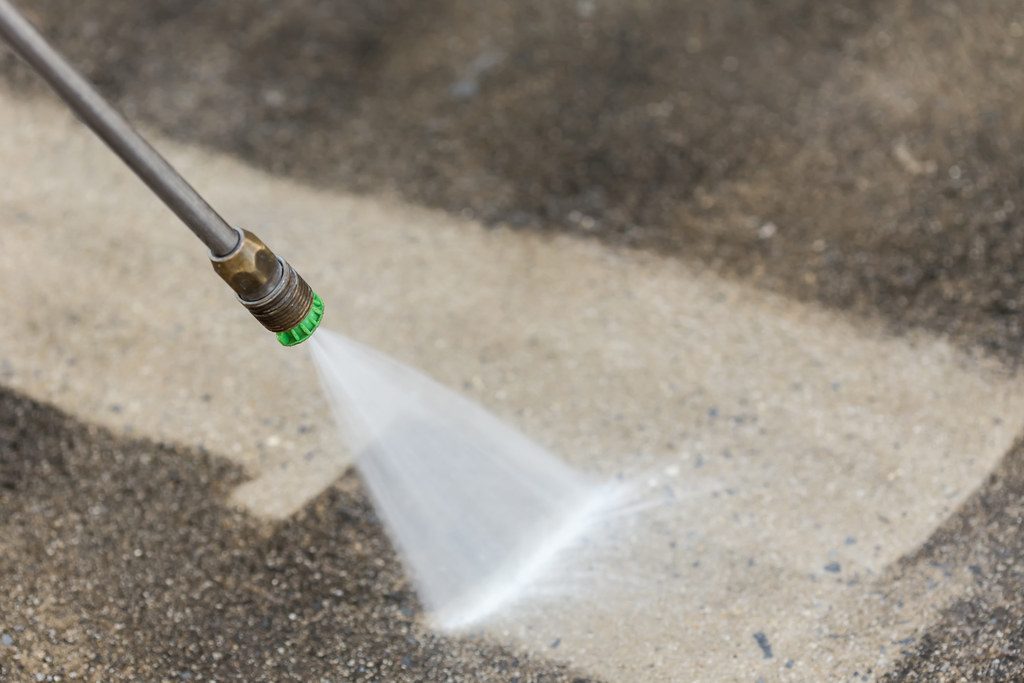
Whether damage of that kind is covered, excluded or a matter for the roofer is something only your own warranty document can answer. That is why the method matters more than the rumour. Our comparison of soft washing and pressure washing explains why low-pressure washing is the right tool for shingles.
Pro tip: Before anyone cleans your roof, ask them to name their method in one sentence. You want to hear something close to the published one: a bleach-based solution applied at low pressure, a short dwell, a gentle rinse, plants protected. If you hear PSI numbers, turbo nozzles or “we scrub it”, keep them off the shingles.
How Do You Read Your Own Shingle Warranty?
Start by finding out exactly what is on your roof, then read the manufacturer’s document for that product. Here is the order that works:
- Find the product name. It is on the roofer’s invoice, the builder’s closing documents or any warranty registration. For a newer home in one of Garner’s subdivisions, start with the builder’s paperwork.
- Get the right document. Manufacturers publish their limited warranties on their own sites, and they change over time. You want the version that applied when your roof went on.
- Read the maintenance and exclusion sections. Look for anything about cleaning, maintenance, foot traffic or damage caused by others. This is where the real answer for your roof lives.
- Check for separate algae coverage. Algae-resistant shingles often carry their own algae warranty. Our guide to algae-resistant shingles explains what those usually cover.
- Ask the manufacturer if anything is unclear. A written answer from them beats anyone’s opinion, including ours.
Should You File an Algae Claim Before Cleaning?
If your shingles are algae-resistant and still inside the algae coverage period, check the claim process first. CertainTeed, for example, says its algae-resistant shingle warranty will “pay, without proration, the reasonable cost to replace or clean the affected shingles” (CertainTeed, Algae-Resistant Shingles). A manufacturer may want to see the staining before it is gone, so photograph every slope from the ground and contact them before you book anyone.
If the roof is not algae-resistant, or the coverage has run out, the cleaning decision is yours alone. ARMA says there is “no scientific evidence that algae is damaging to asphalt shingles,” so cleaning streaks is about appearance and timing, not an emergency. Moss is the exception; see our guide to moss on roof shingles.
Frequently Asked Questions
Does pressure washing a roof void the warranty?
We could not find that stated in a manufacturer’s own warranty text, so we will not claim it. What ARMA and GAF both say is not to pressure wash a shingle roof at all, and ARMA says it causes granule loss and very likely premature failure. The damage is the problem, whatever the warranty says.
Is bleach safe to use on asphalt shingles?
Yes, in the way the industry describes. ARMA recommends a 50:50 bleach and water mix with a 15 to 20 minute dwell, and GAF’s bulletin also uses bleach. Protect the plants below and never mix bleach with ammonia-based cleaners (Purdue Extension NCR-134).
Does a soft wash follow the manufacturer’s method?
A proper one does. Soft washing means applying a cleaning solution at low pressure and rinsing gently, which is the approach ARMA and GAF describe. A professional soft wash roof cleaning should be able to explain its mix, dwell and rinse in plain terms.
Will cleaning the roof affect my homeowners insurance?
That is a question for your insurer, not the shingle maker. What we can say is that a clean-looking roof is easier to judge at a glance, and some Garner HOAs include rooflines in exterior notices.
Can I clean the roof myself with a garden sprayer?
GAF’s bulletin describes a garden-sprayer method, so the chemistry is not exotic. The hard part is working safely at height; ARMA recommends only trained professionals work on roofs. If you do it from a ladder, never step onto wet shingles.
What drives the price of a roof wash?
Roof size, pitch, height, access and how heavy the growth is. Our NC roof cleaning cost guide explains each factor, and we can quote your roof from photos.
Roof Cleaning and Your Warranty: The Short Version
Does roof cleaning void your warranty? Not that any manufacturer’s own text we found says. Cleaning the way ARMA and GAF publish (bleach solution, short dwell, low-pressure rinse, no pressure washer, no brushes) is the industry’s own method. Pressure, scrubbing and careless foot traffic are where the risk is. Read your own warranty, and check for an algae claim first if your shingles are algae-resistant.
We can quote low-pressure roof cleaning for homes in Garner, Clayton, South Raleigh, Willow Spring and Fuquay-Varina, with up-front pricing and a free quote. Contact us with a photo of your roof, or see the Garner pressure washing cost guide for how pricing works.