Can You Pressure Wash Pavers? Joint Sand Explained
Garner Pressure Washing • September 26, 2026 • 8 min read
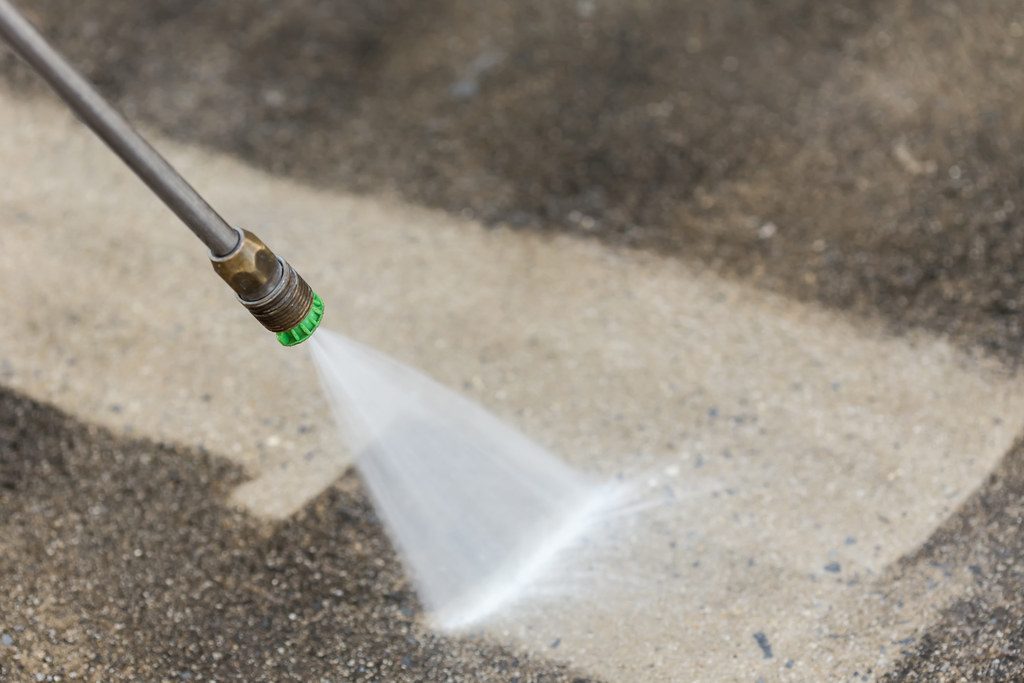
A paver patio or walkway is built to look good, and in a Garner summer it stops looking good fast. Green film grows in the joints on the shady side, pollen settles into every seam in April, and weeds find the gaps by June. The natural fix is a pressure washer, which leads to the question worth asking before you pull the trigger: can you pressure wash pavers without wrecking them?
Yes, you can. Pavers are dense and handle water pressure well. The part that does not is the joint sand between them, and that sand is not decoration. It locks the pavers together and keeps them from shifting, rocking and sinking. Blast it out and you have turned a cleaning job into a repair job.
Pavers are a different surface from the poured concrete that most driveway advice is written for, and they need their own technique. This guide covers how to wash pavers without stripping the joints, what to do when sand does come out, how regular and polymeric sand differ, and what to know about the white haze that shows up on newer installs around southeast Wake.
Can You Pressure Wash Pavers Safely?
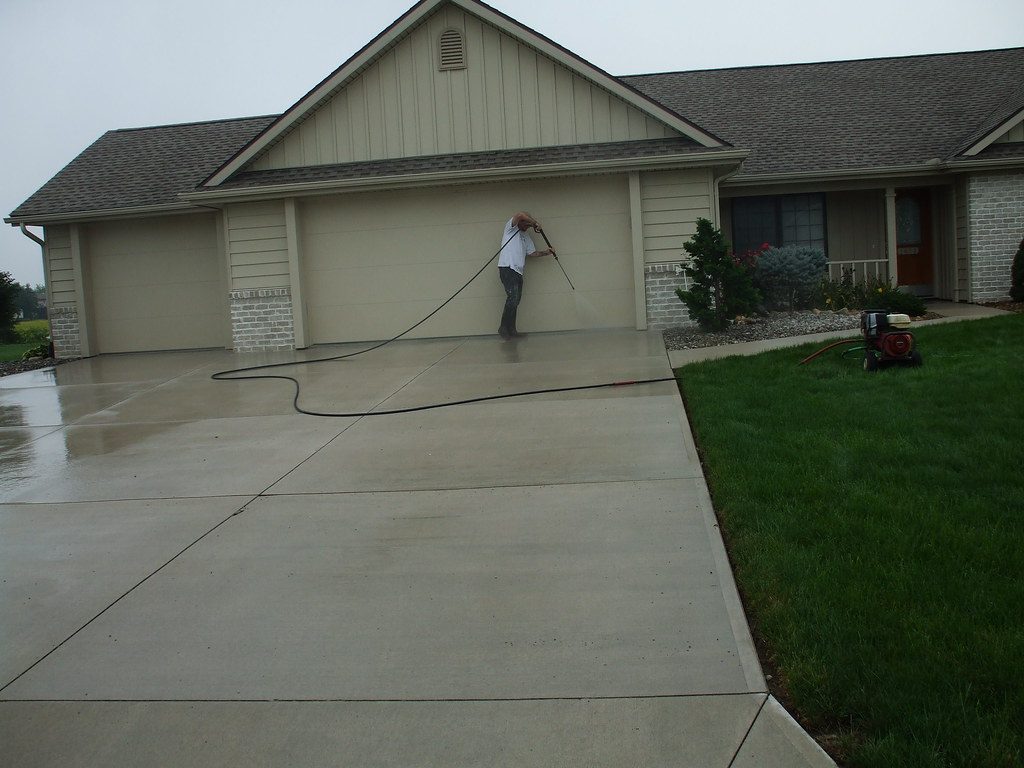
Yes, as long as the spray is wide and the angle is low. The Interlocking Concrete Pavement Institute’s technical guidance on cleaning pavers (Tech Spec 5, published through the Concrete Masonry and Hardscapes Association) says a nozzle that creates a wide spray covers a large area efficiently, and that a low angle of attack from a wide nozzle spray reduces the risk of dislodging joint sand.
That one sentence is most of the technique. A narrow tip aimed straight down acts like a shovel in the joints. A wide fan held at a shallow angle skims across the surface and pushes dirt off the tops of the pavers while the sand stays put.
In practice, paver-safe washing looks like this:
- Use a wide fan tip, not a zero-degree or narrow tip.
- Keep the wand low, spraying across the surface rather than down into it.
- Work in one direction, generally with the slope, so loosened grime moves off the patio instead of back into the joints.
- Hold a steady distance and keep the tip moving.
- Pre-treat organic growth (algae, mildew) so less force is needed.
- Rinse onto the lawn, not toward a street drain.
A surface cleaner can also work on pavers, but the settings need to be gentle and the joints watched. If you see sand spitting out from under the deck of the machine, back off.
What Is Joint Sand and Why Does It Matter?
Joint sand is the fine sand swept into the gaps between pavers, and it is what makes an interlocking pavement interlock. Without it, individual pavers can rotate and shift under foot traffic or car tires, edges open up, and water and weeds move in. That is why keeping the sand in place is the whole game when cleaning pavers.
There are two main types you will find in Garner patios, walks and driveways:
| Regular joint sand | Polymeric sand | |
|---|---|---|
| What it is | Plain fine sand swept into joints | Sand blended with binders that harden after wetting |
| Feel when set | Loose; you can scratch it out with a key | Firm; holds together like a soft mortar |
| Risk when washing | Washes out easily with a narrow tip or high angle | More resistant, but can still be cut out or broken up |
| After cleaning | Sweep in fresh sand once dry | Remove loose or damaged sand, then reinstall to the manufacturer’s instructions |
| Weeds and ants | More likely to let them in | Generally resists them better while intact |
If you are not sure which you have, scratch a joint with a screwdriver. Loose grains that spill out mean regular sand. A crust that resists and breaks in chunks means polymeric.
Pro tip: Before you wash, pour a cup of water on one joint and watch it. If the sand floats or washes away with just that, the joints are already weak, and the cleaning plan should include re-sanding afterward rather than hoping the wash leaves them alone.
What If the Sand Washes Out Anyway?
Refill the joints once the pavers are completely dry. Some sand loss during cleaning is common, especially on older patios where the joints have eroded. The fix depends on the type.
Regular sand is simple: wait for a dry day, sweep dry sand across the surface and into the joints, and repeat until the joints are full to just below the paver edges.
Polymeric sand is less forgiving, and the manufacturers are clear about two things. Sakrete’s guidance on applying polymeric sand to an existing patio says to remove all of the existing sand down to the bottom of the paver, and that the pavers must be dry “not just the surface but most of the way through” to avoid staining. It also warns that a heavy downpour in the first 24 to 48 hours can dislodge the sand.
That last point matters in central North Carolina, where summer afternoon storms appear with little warning. Plan polymeric sand work for a dry stretch in the forecast, not a single sunny afternoon. And always follow the instructions on the specific bag you buy, because drying and weather requirements vary by brand.
Why Are My Pavers Turning White?
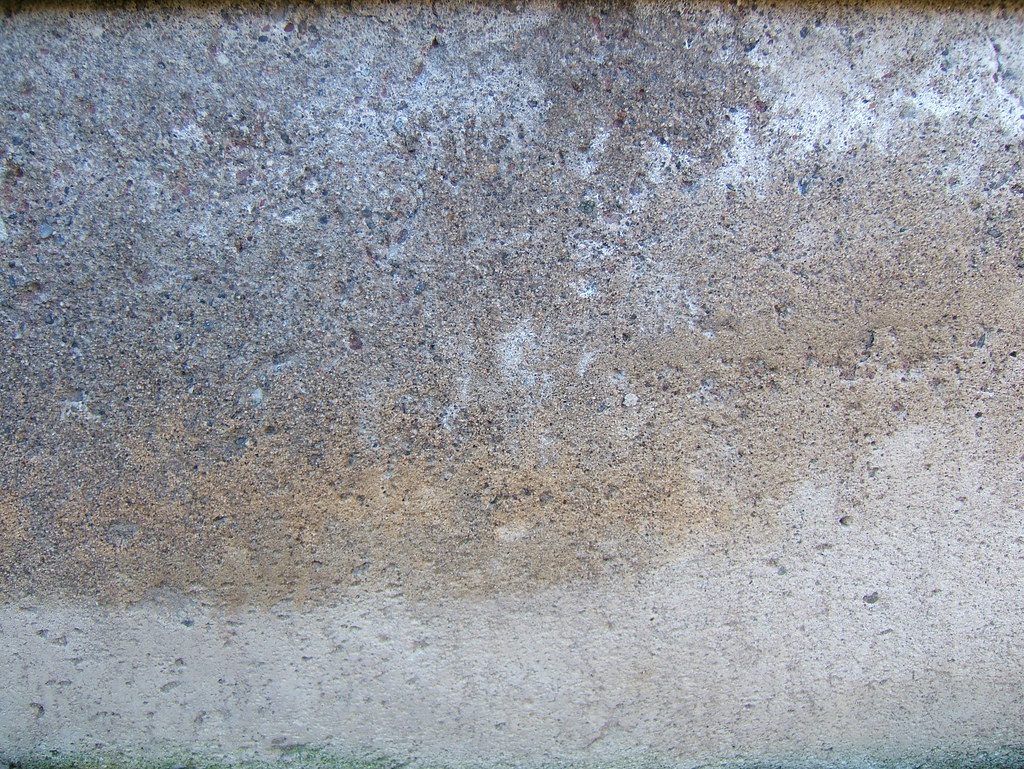
That white haze is usually efflorescence: mineral salts carried to the surface by moisture and left behind when the water evaporates. It often shows up on concrete pavers, and washing with plain water tends to move it around rather than remove it.
ICPI’s Tech Spec 5 treats efflorescence as a job for a dedicated efflorescence cleaner rather than a pressure washer, applied at low pressure, in the range of 30 to 100 psi, and it advises letting the area dry for at least 24 hours before judging the result or sealing. Pressure alone will not dissolve salts, and blasting them can scar the paver face.
If the white is more of a chalky film on old sealer, or a rust-colored mark rather than white, the cause is different. Orange spots on pavers often trace back to fertilizer, well water or metal, which our guide to rust stains on concrete explains, and the same chemistry question applies to pavers: test a corner first, since some products can change the color of tinted pavers.
Should You Seal Pavers After Washing?
Sealing is optional, and the timing matters more than the product. ICPI’s guidance calls for the pavers to have gone at least 24 hours without moisture or surface dampness before a sealer goes on, because sealing over damp pavers can cloud or whiten the finish. In humid stretches of a Garner summer, that often means more than one dry day.
If you plan to re-sand and seal, the order is: clean, let dry, sand the joints, then seal. Whether sealing is worth it depends on the paver, the look you want and how much the area is used. A sealer’s label will spell out its own conditions.
For a paver driveway, pool surround or patio that needs a careful wash, our driveway and concrete cleaning service covers pavers with the low-angle, wide-fan approach described above. For a sense of what drives the price of a patio job, see the concrete patio cleaning cost guide, or the pool deck cleaning cost guide for pool surrounds.
Frequently Asked Questions
Can you pressure wash pavers with polymeric sand?
Yes, carefully. Polymeric sand holds up better than regular sand, but a narrow tip or a steep angle can still cut it out or crack it. Use a wide fan at a low angle, and check the joints afterward. Any loose or broken sections should be removed and reinstalled once the pavers are fully dry.
What PSI should I use to pressure wash pavers?
ICPI’s guidance puts the emphasis on the nozzle and angle rather than one pressure number: a wide spray and a low angle keep the sand in place. For efflorescence, it describes much lower pressure, 30 to 100 psi, with a dedicated cleaner. Start gentle and increase only if the surface is not coming clean.
How long after pressure washing pavers can I add polymeric sand?
When the pavers are dry most of the way through, not just on the surface. In practice that usually means at least a full dry day, and longer in humid or shaded spots. Check that no heavy rain is forecast for the next 24 to 48 hours, and follow the bag’s instructions.
Should I re-sand pavers after pressure washing?
Only if the joints lost sand. Look along the joints once everything is dry: if the sand sits well below the paver edges or you can see gaps, top it up. Regular sand is swept in; polymeric sand is reinstalled to the manufacturer’s directions.
Why do my pavers look white after washing?
Most likely efflorescence, mineral salts brought up by moisture. Water spreads it rather than removing it. A dedicated efflorescence cleaner at low pressure, then 24 hours of drying before judging, is the approach in ICPI’s guidance.
Do you clean paver patios and driveways in Garner?
Yes. We can quote paver patios, walks, pool surrounds and driveways in Garner and nearby towns, using a wide fan and low angle to protect the joints. Send a photo for a free quote.
Pressure Washing Pavers Without Losing the Sand
So, can you pressure wash pavers? Yes, and done right it is the fastest way to bring a patio back. Keep the spray wide and the angle low, pre-treat growth so less force is needed, re-sand once the pavers are dry, and treat white haze as a chemistry job rather than a pressure one.
We clean pavers, patios and concrete across Garner, Clayton, South Raleigh, Willow Spring and Fuquay-Varina, with free quotes and up-front pricing. See the pressure washing cost guide for how pricing works, call (919) 322-8083, or request a quote. For the poured concrete next to your pavers, our guide to getting oil stains out of a concrete driveway covers drips and spills.
Sources: ICPI Tech Spec 5: Cleaning, Sealing and Joint Sand Stabilization of Interlocking Concrete Pavement (via CMHA), Sakrete: Applying polymeric sand to an existing patio or walkway