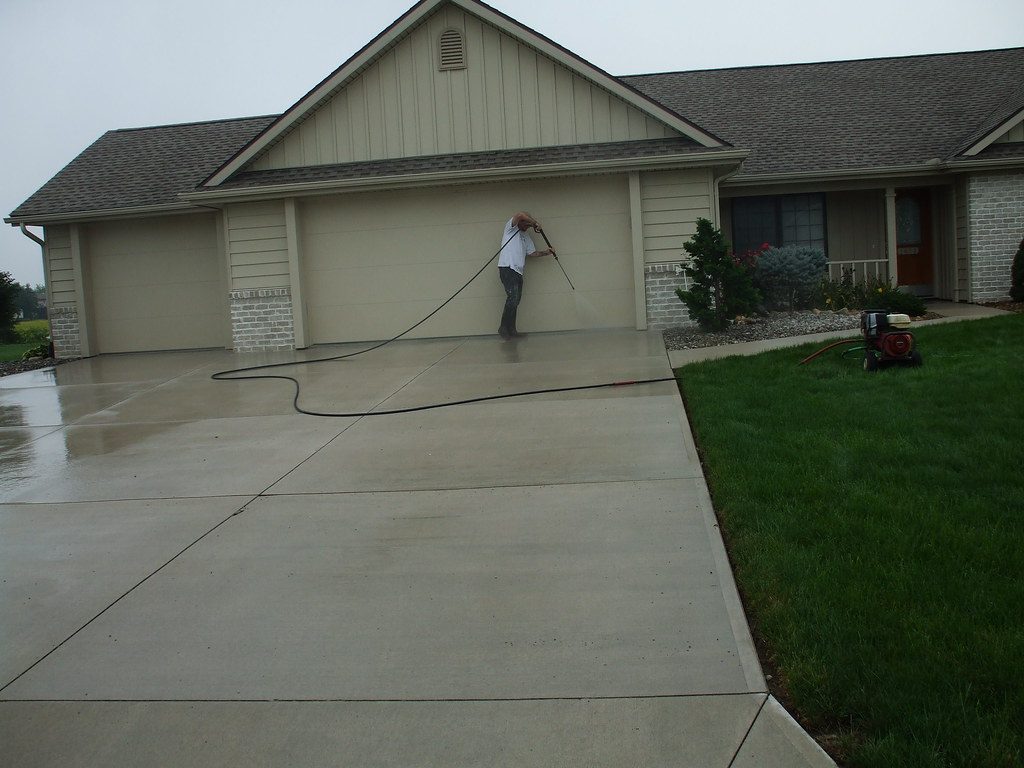
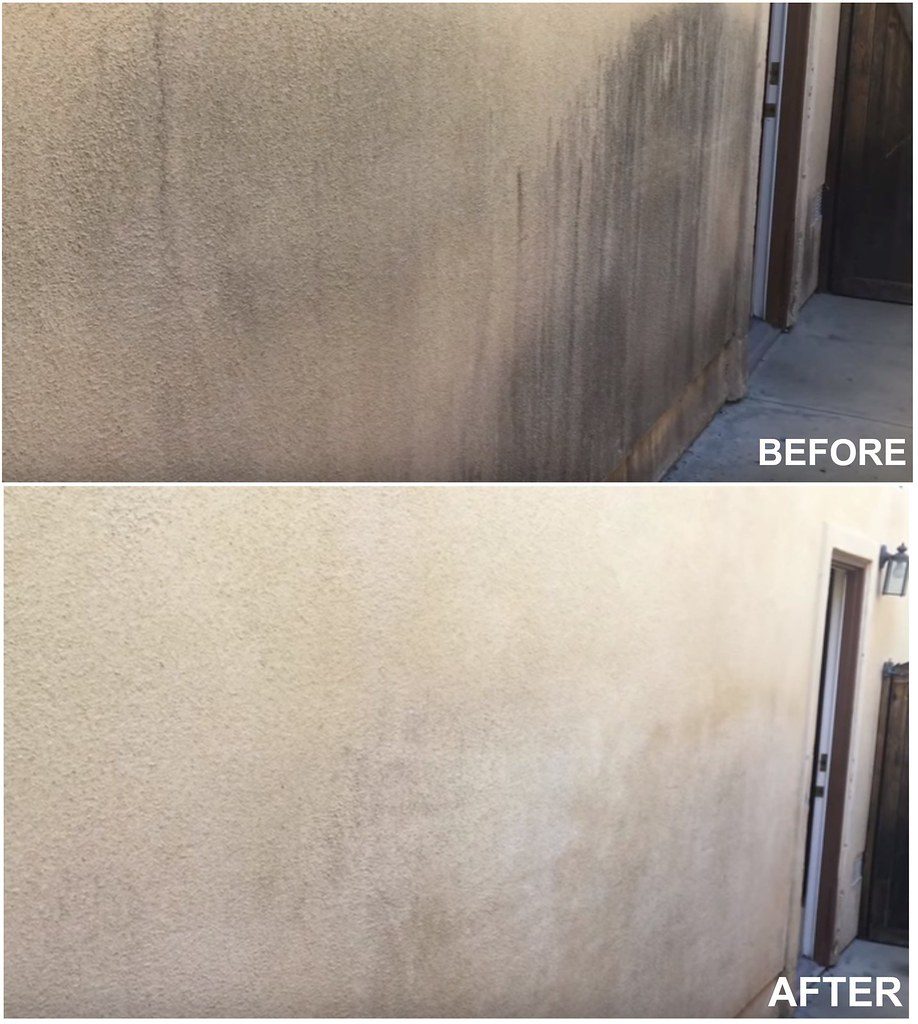
Rust Stains on Concrete: Fertilizer, Well Water, Metal
Garner Pressure Washing • September 26, 2026 • 9 min read
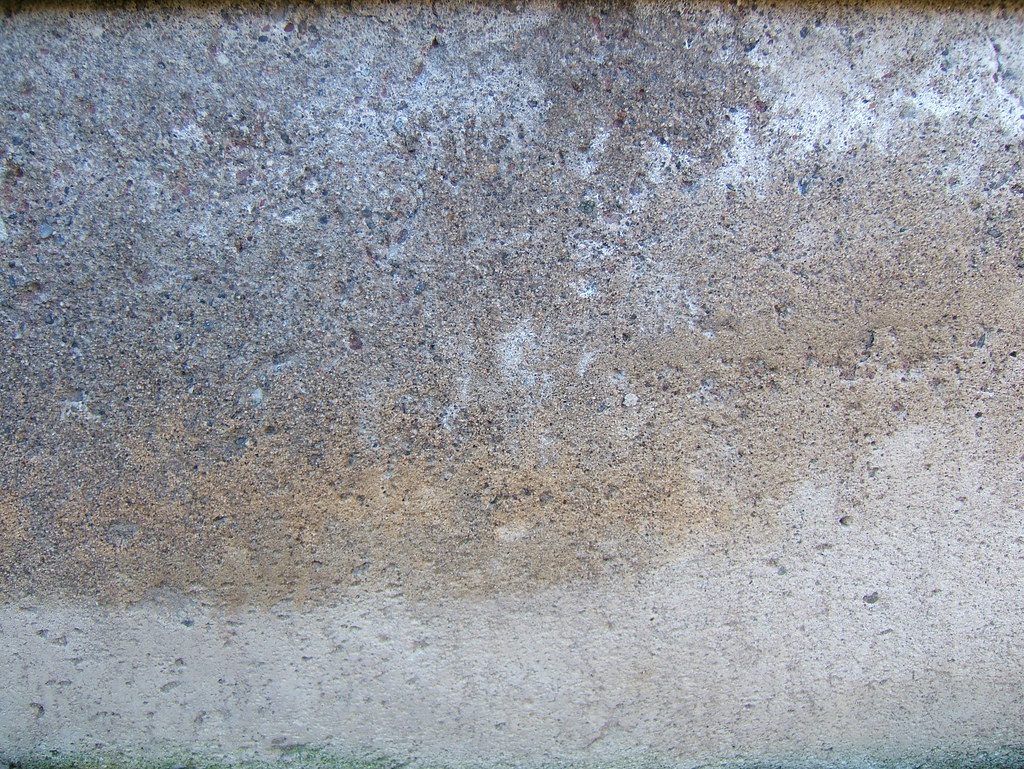
Orange marks on a driveway all look alike from the street. Up close they rarely are. A scatter of pinhead dots near the lawn edge, a sweeping orange fan along the curb, and a neat ring where a planter used to sit are three different problems with three different causes, and only one of them will stop on its own.
That is the key to how to remove rust stains from concrete: read the pattern first. Rust is iron that has oxidized and soaked into the pores of the slab, so it ignores the garden hose and laughs at pressure alone. Remove it without dealing with the source and it comes back, sometimes within a week.
Garner has all three sources in good supply. Lawn programs lean on iron-fortified fertilizer every spring, many homes on the edges of town and around Lake Benson run irrigation off a private well, and every patio has metal furniture feet sitting in the rain. This guide shows how to tell which one you have, how to stop it, and how to remove what is already there.
One note before you start. If the orange covers a broad wash along the edge of a bed, a downspout or a construction lot, that is almost certainly red clay rather than rust from a metal or water source. It has its own guide: how to get red clay stains off concrete.
What Causes Rust Stains on Concrete?
Rust stains on concrete come from iron meeting water on the surface of the slab. The iron can arrive as fertilizer granules, as dissolved iron in irrigation water, or from a piece of bare metal. Once it oxidizes, the orange-brown oxide lodges in the pores, which is why the stain survives rain and scrubbing.
The pattern tells you the source faster than anything else:
| Pattern on the concrete | Most likely source | Quick check | Will it stop on its own? |
|---|---|---|---|
| Scattered dots and tiny specks, heaviest near the lawn edge | Iron in lawn fertilizer | Did the lawn get fed in the last few weeks? | Slowly, if no more fertilizer lands on it |
| Curved arcs or fans, repeating in the same spot | Iron-rich well water from sprinklers | Do the arcs match a sprinkler head’s throw? | No, every watering adds more |
| Rings, squares or drip lines in one spot | Metal furniture, planters, grills, hoop bases | Is there, or was there, metal sitting there? | Yes, once the metal is moved |
| Broad orange wash at soil edges or downspouts | Red clay, not a rust source | Is bare soil or a bed just uphill? | No; see the red clay guide |
Are Fertilizer Rust Stains Permanent?
No. Fertilizer rust stains usually fade on their own over a few months, but they fade faster if you stop adding to them. Many lawn fertilizers include iron to green up the grass, and granules that land on a wet driveway dissolve in place and leave an orange dot. Colorado State University Extension, answering this exact question through Ask Extension, notes that iron stains from fertilizer fade in time, “not this week or this month”, and that iron-removal products are sold at hardware stores for anyone who does not want to wait.
Prevention is the easy win:
- Sweep or blow granules off concrete right after spreading, before any rain or irrigation.
- Use a deflector on the spreader along driveways and walks.
- Ask your lawn service to blow off hard surfaces as part of the visit.
If the dots are from this spring’s application and the lawn will not be fed again for a while, it is reasonable to give them a season. If they are layered from several rounds of feeding, a spot treatment is quicker.
How Do You Stop Rust Stains From Well Water Sprinklers?
You stop well-water rust stains by keeping the water off the concrete, because every watering cycle deposits a little more iron. Iron is naturally present in a lot of groundwater, and the US EPA sets a secondary (nuisance) standard for it of 0.3 mg/L, listing “reddish or orange staining” as the noticeable effect. Water above that level does not need to look rusty coming out of the head to paint an arc on the curb over a summer.
The fix, in order of cost:
- Re-aim and adjust the heads so the spray stops at the edge of the lawn. This alone solves most driveway arcs.
- Change the schedule so the system is not watering concrete that is already wet from rain.
- Have the well tested. North Carolina’s Division of Public Health lists iron among the common private well contaminants, and a test tells you how much you are dealing with.
- Ask a well or water treatment professional about filtering the irrigation line if the level is high.
Removing the stain before the source is fixed is money spent twice. The arc will be back by the next dry spell.
Pro tip: Run the sprinklers once while you stand at the curb. Mark with chalk where each head’s spray actually lands on the concrete. The chalk lines usually match the orange arcs almost exactly, and they show you which heads to adjust.
What About Rust Rings From Metal?
Metal rust stains are the most predictable of the three: a ring, square or line in exactly one spot, where bare steel or iron sat on damp concrete. Common culprits on Garner patios and driveways:
- Metal chair and table feet
- Planters with steel bases or drainage trays
- Grill legs and gas tank cages
- Basketball hoop bases and trailer tongues
- Nails, screws and tools left out after a project
Once the metal is moved, the stain stops growing. Plastic feet caps, rubber pads and saucers under planters keep it from happening again. This is also the kind of stain that often shows up on pool decks and patios rather than driveways, so check under the furniture when you clean.
How to Remove Rust Stains From Concrete Once the Source Is Fixed
Rust needs acid-side chemistry, not bleach and not more pressure. Bleach is the right tool for algae and mildew and does nothing to iron oxide. Pressure removes what sits on a surface, not what has bonded into it, and a narrow tip held close etches a pale halo around the stain.
For small spots, a do-it-yourself approach works:
- Clean the area first so the product reaches the stain rather than a film of dirt.
- Apply an oxalic acid-based or purpose-made concrete rust remover, following the label for dilution and dwell time.
- Keep it wet while it works. Do not let it dry on the slab.
- Scrub with a stiff nylon brush and rinse thoroughly with plenty of water.
- Repeat on older stains rather than reaching for a stronger acid.
A few cautions that matter. Test in a corner first, because some products can lighten colored or sealed concrete. Pre-wet nearby grass and beds and rinse them after. Never mix bleach with an acid-based cleaner, because the combination can release chlorine gas. And skip muriatic acid for a stain like this: it is aggressive enough to etch the concrete itself.
Where DIY stops making sense is scale. A driveway covered in fertilizer speckles or a curb line with several summers of sprinkler arcs is a lot of square footage to treat evenly by hand, and uneven dwell times leave a blotchy finish. That is what our rust and stain removal service is for: the right product for the surface, applied evenly, then a full driveway and concrete cleaning so the treated areas blend in.
Frequently Asked Questions
What causes little orange spots on my driveway?
Almost always iron in lawn fertilizer. Granules that bounce onto the concrete dissolve when they get wet and leave an orange dot each. They tend to cluster near the lawn edge and appear a few days after the yard is fed. Sweeping granules off right after spreading prevents most of them.
Will vinegar or lemon juice remove rust stains from concrete?
Mild household acids can lighten very fresh, very light rust, but they are slow and inconsistent on set stains. Vinegar can also etch the concrete surface if left on too long. A product made for rust on concrete, used as the label directs, is more predictable.
Why do the orange arcs keep coming back after I clean them?
Because the source is still running. Sprinkler arcs come from iron in the irrigation water, and every cycle lays down more. Adjust the heads so they stop spraying the concrete, or test the well and treat the water, before you remove the stain again.
Can pressure washing alone remove rust stains?
No. Rust is bonded into the concrete, so pressure alone will clean the gray grime around it and leave the orange behind, often looking more obvious. It can also etch the surface. Chemistry first, then an even wash, is the order that works.
Is it rust or red clay?
Look at the shape. Rust from fertilizer, water or metal makes dots, arcs or rings. Red clay shows up as a broad orange wash near soil, beds, downspouts or new construction, which is common in newer Garner subdivisions. Clay behaves chemically like rust but needs splash control rather than sprinkler or furniture fixes.
How much does rust stain removal cost?
It depends on how much area is stained, how old the stains are, and what surface they are on, so it is quoted after seeing it. Our Garner pressure washing cost guide explains what moves the price, or send us a photo for a quote.
Getting Rust Stains Off Concrete for Good
The way to remove rust stains from concrete for good is to name the source, stop it, and only then treat the stain. Fertilizer dots fade with time and a broom, sprinkler arcs need the heads adjusted or the water treated, and metal rings stop when the metal moves. What is left responds to the right rust-removal chemistry and an even wash.
We treat rust, fertilizer and irrigation staining on driveways, walks, patios and curbs across Garner, Clayton, South Raleigh, Willow Spring and Fuquay-Varina. Quotes are free and pricing is up front. Call (919) 322-8083 or request a free quote, and see the pressure washing cost guide for how pricing works.
If your driveway is newly poured, read when you can pressure wash new concrete before treating anything, and for drips under the car, see how to get oil stains out of a concrete driveway.
Sources: US EPA: Secondary drinking water standards, NC DHHS: Private well contaminants, Colorado State University Extension via Ask Extension: Fertilizer iron stains on concrete