How to Get Oil Stains Out of a Concrete Driveway
Garner Pressure Washing • September 26, 2026 • 8 min read
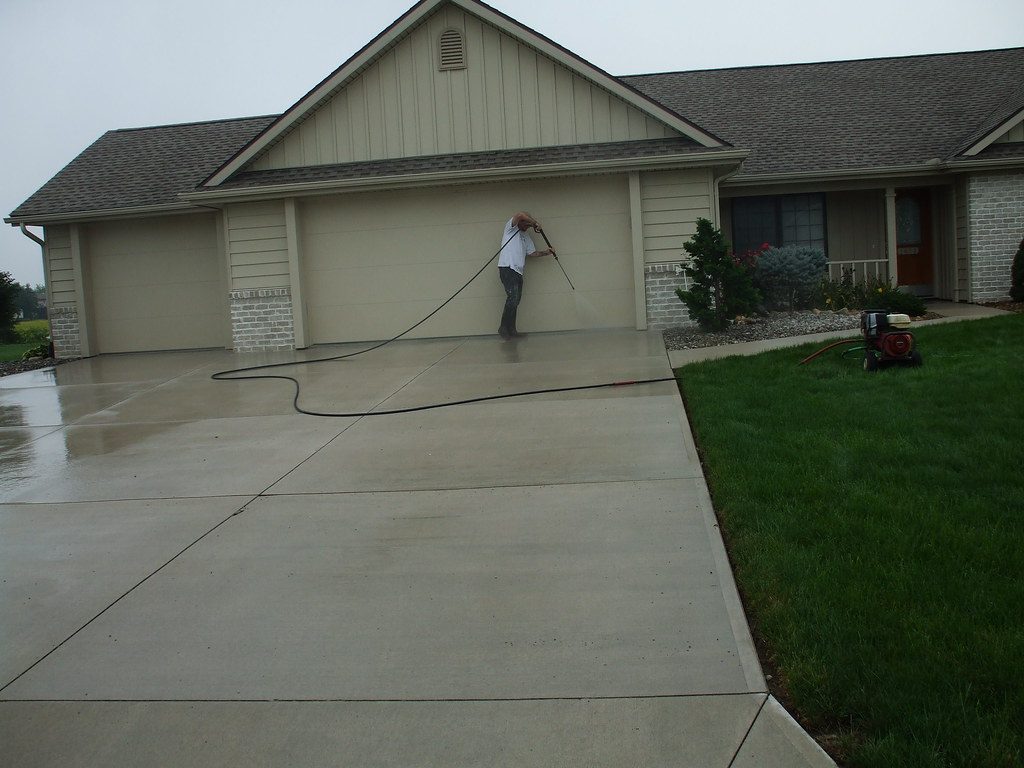
Every driveway eventually gets one: a dark patch where the old car parked, a drip line from a mower, a splash from an oil change that went sideways. Concrete soaks up oil the way a sponge soaks up water, and the longer it sits the deeper it goes. So the honest answer to how to get oil stains out of a concrete driveway starts with a question: how old is the stain?
A drip from this morning can often be lifted completely with nothing more than an absorbent and a broom. A stain from last season needs a degreaser and some scrubbing. A dark shadow that has been there since before you bought the house needs patience and a poultice, and may lighten rather than vanish.
There is also a second half to this job that most guides skip, and in Garner it matters more than usual: where the dirty rinse water goes. Our storm drains do not go to a treatment plant. They run to local creeks and to Lake Benson, which supplies drinking water. This guide covers both halves: removal by stain age, and cleanup that keeps the oil out of the street.
First, Is It Oil, Rust or Clay?
Oil stains are dark gray to black, with soft, feathered edges, and they sit where engines and machines sit: under the car, by the garage door, where the mower is parked. They darken when wet and can feel slightly slick.
If the mark is orange or brown instead, it is a mineral stain, not oil, and degreasers will not touch it. Orange dots, arcs and rings are covered in our guide to rust stains on concrete, and a broad orange wash near soil or construction is red clay. The chemistry is opposite: oil is organic and needs a degreaser, while rust and clay need acid-side products. Using the wrong one wastes an afternoon.
How to Get Oil Stains Out of a Concrete Driveway by Stain Age
Match the method to the age of the stain. Start with the gentlest step and only move down the table if the stain is still there.
| Stain age | What you see | Method | Realistic result |
|---|---|---|---|
| Fresh (minutes to a day) | Wet, shiny puddle or drip | Absorbent, grind in, sweep up; then dish soap and a scrub | Often removed completely |
| Set (days to a few months) | Dry dark patch, clear edges | Concrete degreaser, dwell, stiff brush, hot water rinse; repeat | Usually removed or much lighter |
| Old (many months or more) | Faded, blurry shadow, often layered | Poultice drawn out over a day or more, repeated; then an even wash | Lighter; a faint shadow may remain |
Fresh oil: absorb before you add water
The first move on a fresh spill is dry, not wet. Water spreads oil across the slab and pushes it toward the drain.
- Cover the spill with an absorbent: clay cat litter, sawdust, or a store-bought oil absorbent.
- Grind it in with your shoe so it contacts the oil in the pores, then leave it for several hours or overnight.
- Sweep it up and bag it with your household trash. Do not hose it into the gutter.
- Scrub what is left with a little dish soap and warm water and a stiff nylon brush, and blot or absorb the suds rather than flushing them into the street.
Set stains: degreaser and dwell time
A stain that has dried into the concrete needs a concrete degreaser from the hardware store. Wet the area lightly unless the label says to apply dry, apply the product, and let it dwell for the time on the label without drying out. Scrub hard, rinse with hot water if you can, and repeat. Two or three rounds are normal.
Old stains: pull it out with a poultice
An old stain has soaked deep, so scrubbing only reaches the surface. A poultice works the other way: a paste of absorbent powder mixed with a solvent or degreaser, spread thick over the stain, covered, and left to dry. As it dries it draws oil up out of the pores. Scrape it off, bag it, and repeat as needed. Enzyme and microbial oil cleaners sold for driveways are another option for old stains; follow the product’s timing, which is usually measured in days.
Set expectations honestly on this last category. Concrete that has held oil for a long time may keep a faint shadow even after every step. That is why a full wash afterward helps: when the whole slab is evenly clean, a lightened spot blends in rather than standing out.
Pro tip: Put a drip pan or a garage mat under any vehicle or mower that is known to leak, and slide a square of cardboard under it on the driveway until it is fixed. The cheapest oil stain to remove is the one that landed on cardboard.
Where Can the Rinse Water Go in Garner?
Not down the storm drain. The Town of Garner’s stormwater program tells residents that what goes into a storm drain travels directly to local creeks and waterways and to the drinking water supply at Lake Benson, with no treatment plant in between. The Town defines an illicit discharge as anything entering the storm system that is not made up entirely of stormwater, and oil rinsed off a driveway is exactly that. See the Town’s For Residents stormwater page and its page to report an illicit discharge.
In practice, for an oily driveway that means:
- Absorb, then sweep, before any water. Most of the oil should leave the slab in a trash bag, not in rinse water.
- Use as little water as the job needs, and direct it onto the lawn rather than toward the street.
- Never pressure wash an oily slab straight into the curb gutter. A pressure washer does not destroy oil. It moves it, and a sloped Garner driveway moves it to the nearest inlet.
- Take used motor oil and filters to an auto parts store or a household hazardous waste drop-off. Never pour them out.
North Carolina also treats pressure-washing wash water as wastewater rather than stormwater. Our guide on where pressure washing wash water can legally go in NC covers the state rules and what a careful contractor does about them.
When Is It Worth Calling a Pro?
A single fresh drip is a fine DIY job. It is worth handing over when:
- The stain is old and large, such as a whole parking spot darkened after a tenant or previous owner moved out.
- There are several stain types at once, such as oil under the car, rust from a trailer tongue and red clay along the edge, which each need different chemistry.
- The whole driveway needs washing anyway, so the treated spots do not end up brighter than the rest.
Oil work pairs naturally with a full driveway and concrete cleaning: degreaser on the stains, a surface cleaner across the slab for an even finish, and rinse water kept away from the street. Where rust or clay is also in the mix, our rust and stain removal service handles the mineral side.
Frequently Asked Questions
Does cat litter really work on oil stains?
Yes, on fresh oil. Clay cat litter soaks up oil that is still liquid and sitting near the surface, which is most of a fresh spill. Grind it in, leave it overnight and sweep it up. It does very little on a stain that has already dried into the concrete; that needs a degreaser or a poultice.
Will a pressure washer remove oil stains from concrete?
Not on its own. Pressure can remove surface grime around the stain, but oil that has soaked in stays put, and the high-pressure rinse can push oily water toward the street drain. Degreaser first, then a controlled wash that sends the water to the lawn, is the order that works.
Can I use bleach on oil stains?
No. Bleach is for algae and mildew and does nothing to break down oil. Stick to dish soap on fresh stains and a concrete degreaser or poultice on older ones. Never mix bleach with other cleaners.
How long does it take to get an old oil stain out?
Expect more than one session. A poultice usually needs a day or more to dry and pull oil out, and old stains often take two or three rounds. Enzyme cleaners work over several days. A stain that has been there a long time may lighten a lot without disappearing.
Is it illegal to wash oil into the storm drain in Garner?
The Town of Garner treats anything entering the storm system that is not entirely stormwater as an illicit discharge, and those drains run directly to creeks and Lake Benson. Absorb and sweep first and send any rinse water onto grass.
How much does it cost to have oil stains removed?
It depends on the number, size and age of the stains and whether the whole slab is being washed, so it is quoted after a look. Our Garner pressure washing cost guide explains what drives the price.
Getting Oil Stains Out of Your Concrete Driveway
The way to get oil stains out of a concrete driveway is to work by age: absorb fresh spills before adding water, degrease set stains with dwell time, and draw old stains out with a poultice. Then keep the rinse water on the lawn and out of the drains that feed Lake Benson.
We clean oily, rusty and clay-stained driveways across Garner, Clayton, South Raleigh, Willow Spring and Fuquay-Varina. Quotes are free and pricing is up front. Call (919) 322-8083 or request a free quote with a photo of the stain, and see the pressure washing cost guide for how pricing works. If the driveway is newly poured, check when you can pressure wash new concrete first.
Sources: Town of Garner Stormwater: For Residents, Town of Garner: Report Illicit Discharge