Where Pressure Washing Wash Water Can Legally Go in NC
Garner Pressure Washing • September 11, 2026 • 6 min read
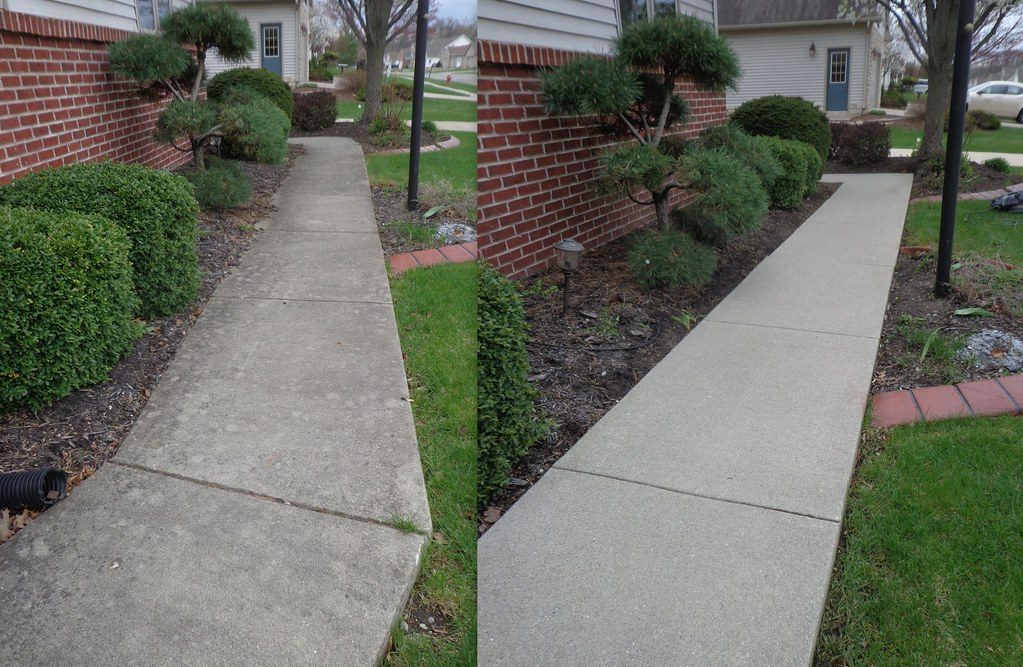
Most homeowners have never thought about where the water goes after a wash, and most residential jobs never raise the question. But if you manage a commercial property, run a restaurant, or oversee an HOA’s common areas, this is a compliance issue where responsibility can reach you as well as the contractor, and it is worth ten minutes of understanding.
This is a plain-English summary of how the rules work in North Carolina. It is not legal advice, and your municipality may add requirements on top.
The Core Rule
Pressure washing wash water is wastewater, and discharging it to surface waters through a storm drain is not authorised by any NPDES stormwater permit.
NC DEQ states this directly for vehicle pressure washing, and the same principle carries over to other outdoor washing.
That is the whole principle, and it is worth separating the two systems it rests on, because a lot of people assume they are the same thing:
- Storm drains carry rainwater, untreated, directly to creeks and rivers. Nothing that is not rain is supposed to enter them.
- Sanitary sewer carries wastewater to a treatment plant.
A storm drain is not a small sewer. It is a pipe to the Neuse.
What Is Actually Required
North Carolina’s guidance, written for vehicle washing and a sensible model for other outdoor cleaning, is specific:
Collected wash water can go to the sanitary sewer only with permission from the system’s owner, never to the storm drainage system. Sanitary sewer is not automatically a free pass.
Where sanitary sewer is not available and cleaning happens outdoors, the work should take place on grassed or gravelled areas so the wash water infiltrates rather than becoming a point-source discharge into a storm drain or surface water.
No detergents or chemicals may be discharged into a storm drain or surface water. Charlotte’s published best-practice guidance for pressure washing states this plainly, and it is a reasonable model for what municipalities across the state expect.
Check locally. Some local governments require a permit for commercial washing operations. The state guidance says to contact your local government for information on local permitting and compliance, so check with the town or county where the property sits.
Where This Actually Bites
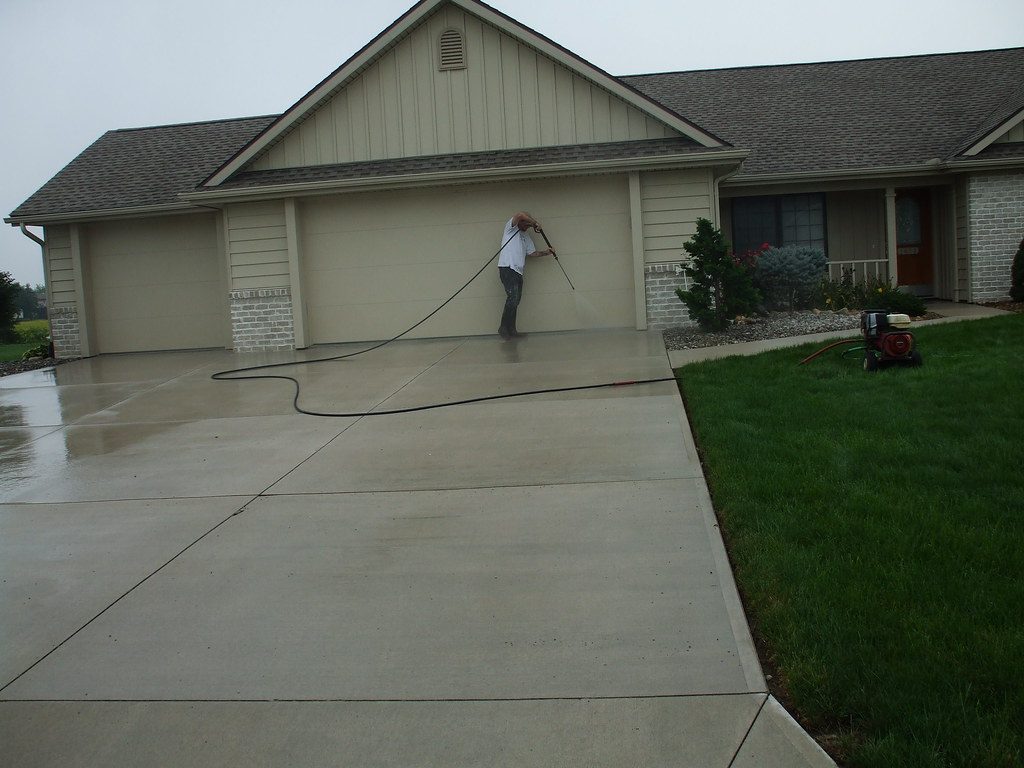
Residential house washing on a lawn is rarely the problem. Water lands on grass, infiltrates, and no point-source discharge occurs. The situations that genuinely matter:
| Job | Risk | Why |
|---|---|---|
| Restaurant or kitchen exhaust pads | High | Grease and food solids, storm drain usually adjacent |
| Dumpster pads | High | Concentrated organic load and leachate |
| Fuel station and drive-thru aprons | High | Hydrocarbons |
| Retail and shopping centre flatwork | Moderate to high | Large area, drains throughout |
| Parking decks and lots | Moderate to high | Oil, gum, sediment |
| Fleet and equipment washing | High | Covered by NC DEQ vehicle washing guidance |
| Residential driveway | Low to moderate | Depends on slope and drain proximity |
| Residential house wash on lawn | Low | Infiltrates on grass |
The recurring pattern: flat commercial surfaces drain to inlets by design, because that is what stormwater infrastructure is for. That is exactly what makes them the compliance problem.
What a Compliant Contractor Actually Does
If you are hiring for commercial work, these are the practices that distinguish an operator who has thought about it:
- Blocks or covers the storm drain inlet before starting, using a mat or plug
- Collects and recovers wash water, typically with a vacuum recovery system, on high-risk surfaces
- Discharges recovered water appropriately, to sanitary sewer where authorised or to a licensed waste handler
- Uses dry cleanup first: sweeping and absorbing solids and oil before any water is applied, which reduces the load enormously
- Diverts to a grassed or gravelled area where sewer is not available and the surface allows it
- Keeps detergents out of the drain, without exception
- Can describe the plan when you ask. This is the single best screening question.
Ask a commercial bidder where the water goes. An operator who has not considered it will tell you, usually by not having an answer.
Why It Matters to the Property Owner
The uncomfortable part: responsibility can reach the property owner, not just the contractor. If an illicit discharge is traced to your site, it can be your address on the notice. Hiring the cheapest bidder does not transfer that.
This is one of the clearer cases where the gap between a cheap quote and a real one is buying something real. Recovery equipment costs money, dry cleanup takes time, and disposal has a fee. A bid that is dramatically lower than the others is frequently lower because none of that is happening.
Residential Common Sense
For a normal house wash or driveway, the practical guidance is simple and mostly about not being careless:
- Sweep first. Removing solids dry keeps them out of the water entirely.
- Pre-treat oil stains and absorb them rather than blasting them toward the street; our guide to removing oil stains from a concrete driveway covers the absorb-first method.
- Direct runoff to grass wherever the slope allows.
- Use the minimum effective chemistry, and rinse surrounding vegetation before and after.
- Do not wash straight into the gutter on a driveway that slopes to a street inlet if you can direct it otherwise.
Our guide on the risks of DIY pressure washing covers the damage side, and soft washing versus pressure washing covers why lower volumes of the right chemistry beat blasting.
Frequently Asked Questions
Is it illegal to let pressure washing water go down a storm drain in NC?
Wash water is wastewater, and discharge to surface waters through a storm drain is not authorised by NPDES stormwater permits. In practice that makes it an illicit discharge, and local stormwater ordinances add their own prohibitions. The rule is strictest where detergents, grease or hydrocarbons are involved.
Does this apply to washing my own house?
Rarely in any practical sense. Residential washing where water lands on lawn and infiltrates is not a point-source discharge. Use sense on driveways that slope to a street inlet, and keep detergents out of the gutter.
Do I need a permit to pressure wash commercially?
Some local governments require one. State guidance directs operators to contact the local government for permitting and compliance information, so check with the town or county where the property sits.
What should a commercial contractor do with the water?
Collect and recover it on high-risk surfaces, discharge to sanitary sewer where authorised or to a licensed handler, block drain inlets during work, and use dry cleanup first. Where sewer is unavailable and the surface allows, divert to a grassed or gravelled area.
Who gets in trouble, me or the contractor?
Both can, and responsibility can reach the property owner because it is your site. Hiring the lowest bidder does not transfer the responsibility, which is a good reason to ask about their plan before booking.
Can detergents go in the storm drain?
No. Published municipal guidance is explicit that no detergents or chemicals may be discharged into a stormwater drain or surface water.
Does soft washing change this?
It reduces volume considerably, which helps, but the chemistry still cannot enter a storm drain. Less water is easier to manage and contain, not exempt.
Commercial Washing in Clayton and East Wake
We handle commercial pressure washing across Clayton, Garner, south Raleigh and the US-70 corridor, including restaurant and retail flatwork. Where rules require it, containment can be quoted as its own line, set out before you book rather than after.
See pressure washing in Clayton, commercial flatwork in the Clayton corridor, or Clayton pricing.
Call (919) 322-8083 or request a quote.
Sources: NC DEQ: Stormwater technical guidance, NC DEQ: Vehicle Washing Information Sheet, City of Charlotte: Pressure Washing Best Management Practices