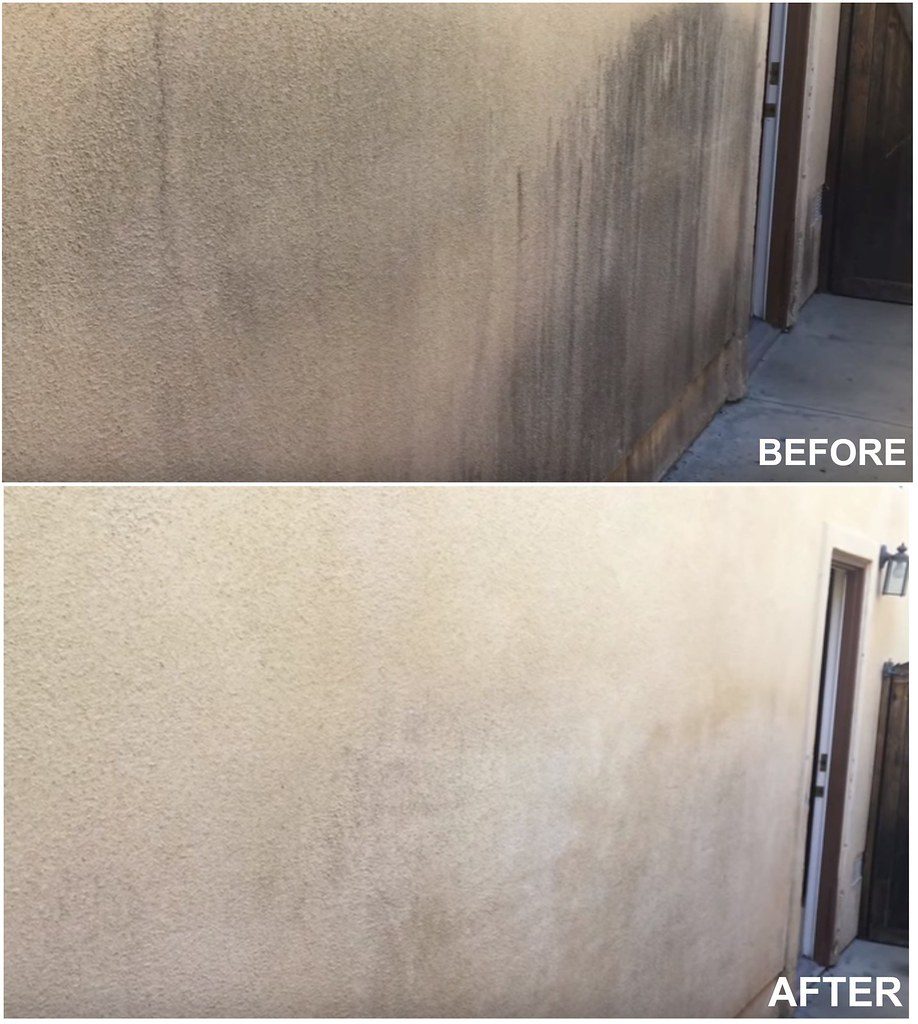
Commercial Flatwork Cleaning on the Clayton US-70 Corridor
Garner Pressure Washing • September 11, 2026 • 6 min read
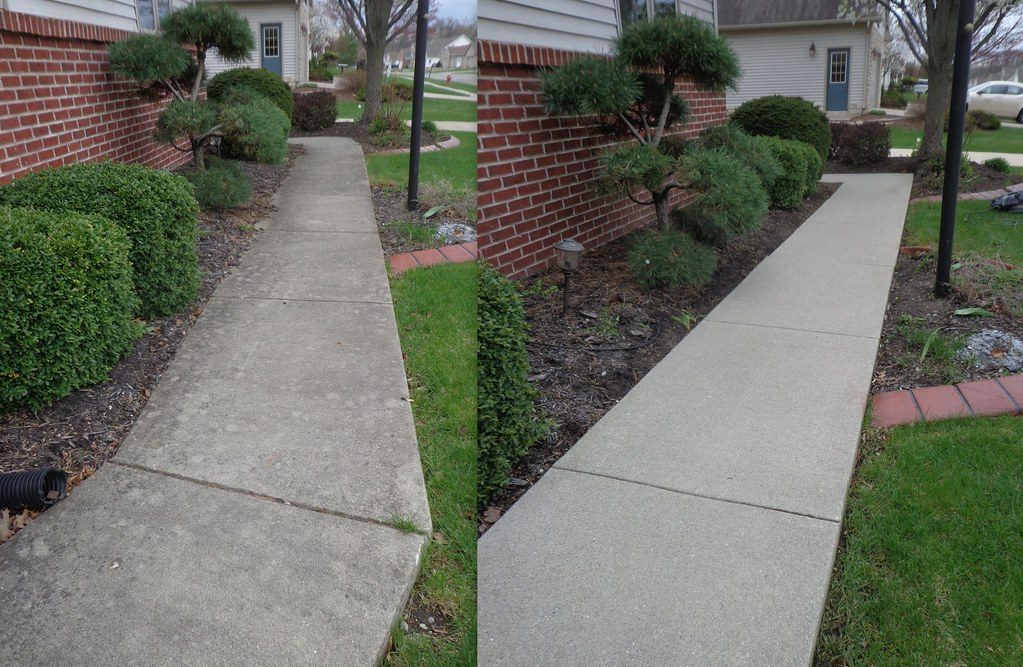
Clayton’s US-70 corridor has become a genuine employment centre. The Novo Nordisk and Grifols campuses anchor a run of industrial and supporting commercial property, and the retail and restaurant development that followed has changed what exterior cleaning looks like here.
Commercial flatwork is a different trade from residential washing: different pricing basis, different scheduling, different compliance obligations, and a different set of things that go wrong. This covers how it actually works and, more usefully, how to compare two bids that look far apart.
It Prices Per Square Foot, Not Per Job
Residential work is quoted as a job. Commercial flatwork is quoted per square foot, because the areas are large enough that volume rates apply and because it is the only basis on which two bids can be compared fairly. Commercial flatwork runs $0.10 to $0.30 per square foot, and the surface decides where a site lands in that range.
| Surface | Where it lands in $0.10-$0.30/sq ft | Notes |
|---|---|---|
| Open flatwork, large area | Toward the low end | Sidewalks, aprons, lots |
| Standard commercial concrete | Middle of the range | Most retail frontage |
| Heavy soil or long-neglected | Toward the top | Multiple passes, pre-treatment |
| Dumpster pad | Quoted per pad | Priced per pad, not per foot |
| Drive-thru lane | Upper part of the range | Grease and tyre marking |
| Parking deck | Quoted after a walk-through | Volume, plus containment complexity |
Efficiency is why open areas cost less per foot: a surface cleaner attachment covers ground quickly, and setup is a fixed cost spread across more square footage. A 20,000 square foot lot genuinely costs less per foot than a 2,000 foot frontage.
The Line Items That Make Bids Differ
This is where most of the gap between two quotes lives, and none of it is in the headline rate.
- Gum removal, per piece or a flat rate per frontage. On a restaurant or retail sidewalk this is a real number.
- Grease and oil treatment, priced per area. Kitchen exhaust pads and back-of-house aprons always need it.
- Rust and battery acid stains, priced per stain. These are chemical deposits, not dirt, and pressure will not touch them. Our rust and stain removal service covers the chemistry.
- Overnight or after-hours work, which usually carries a premium.
- Water supply, if the site has no accessible spigot and water must be hauled.
- Wash water containment and disposal, which on restaurant and fuel sites is not optional. See below.
- Traffic control or lane closure, on larger sites.
Two bids at the same per-square-foot rate can differ by hundreds of dollars once these are added on one and not the other. When you compare, normalise the scope first and the rate second.
Scheduling Around Trading Hours
Nearly all Clayton retail and restaurant flatwork is done overnight or very early morning, for obvious reasons: wet concrete and a trip hazard during trading is not acceptable, and the work is noisy.
Practical consequences worth planning for:
- Overnight carries a premium. Budget it rather than being surprised by it.
- Shift changes matter on the industrial side. The pharma campuses and their supporting facilities run shifts, so “after hours” is not a single window.
- Drying time is part of the schedule. Concrete needs to be walkable before opening, which in humid months means finishing earlier than you might think.
- Seasonality is real. January and February are the quiet months in this market and the easiest time to negotiate. Spring is when everyone books at once.
The Compliance Part Nobody Mentions in the Bid
Wash water is wastewater. Discharging it to a storm drain is not authorised under NPDES stormwater permits, and detergents and chemicals in particular may not enter a storm drain or surface water.
On a restaurant pad, a dumpster pad, or a fuel apron, this is not a technicality. Those surfaces carry grease, food solids and hydrocarbons, and they sit next to drain inlets by design, because that is what stormwater infrastructure does.
Responsibility can reach the property owner, not just the contractor. That makes “where does the water go?” the single most useful question you can ask a commercial bidder. An operator with a plan will describe blocking the inlet, recovering the water, and where it is disposed. An operator without one will change the subject.
Our guide to where pressure washing wash water can legally go in NC covers the rules and what a compliant contractor actually does.
How to Write a Comparable Scope
If you are putting work out to bid, specifying these six things gets you quotes you can actually compare:
- Total square footage by surface type, with a site plan or a marked-up aerial if possible
- Which specific areas are in scope: frontage, lot, drive-thru, dumpster pads, entries
- Whether gum, grease and rust treatment are included or excluded
- Required hours, and whether overnight is mandatory
- Water and power availability on site
- Containment and disposal expectations, stated explicitly
That last one filters the field faster than any other item on the list.
Frequently Asked Questions
How much does commercial pressure washing cost in Clayton?
$0.10 to $0.30 per square foot for most flatwork, with volume rates at the lower end on large open areas. Dumpster pads are priced individually, and gum, grease and rust treatment are separate line items.
Why is one bid half the price of another?
Usually scope rather than rate. Check whether gum, grease, rust treatment, overnight hours, and wash water containment are included in both. Also check insurance. Those five items account for most gaps.
Do you work overnight?
Yes, and for retail and restaurant frontage it is usually the only sensible option. Overnight usually carries a premium, and it needs to be budgeted rather than discovered.
Can you remove gum from a sidewalk?
Yes, though it is a separate line item, priced per piece or as a flat rate per frontage. It is slow, manual work and it is one of the most commonly omitted items in a cheap bid.
What about grease on a restaurant pad?
Treated with degreasing chemistry before washing, priced per area. It also triggers the containment requirement, because grease must not reach a storm drain.
Who is responsible if wash water enters a storm drain?
Responsibility can reach the property owner, since it is your site. Hiring the lowest bidder does not transfer that, which is why the containment plan is worth asking about before booking.
When is the cheapest time to book?
January and February are the quiet months in this market. Spring is the rush.
Commercial Cleaning on the Clayton Corridor
We handle commercial pressure washing across Clayton, Garner, south Raleigh and the US-70 corridor, with overnight scheduling available and, where rules require it, containment quoted as its own line before you book.
See pressure washing in Clayton, Clayton pricing, or the per-square-foot rate guide for the wider NC picture.
Call (919) 322-8083 or request a commercial quote.