How to Prevent Algae on Vinyl Siding
Garner Pressure Washing • September 26, 2026 • 9 min read
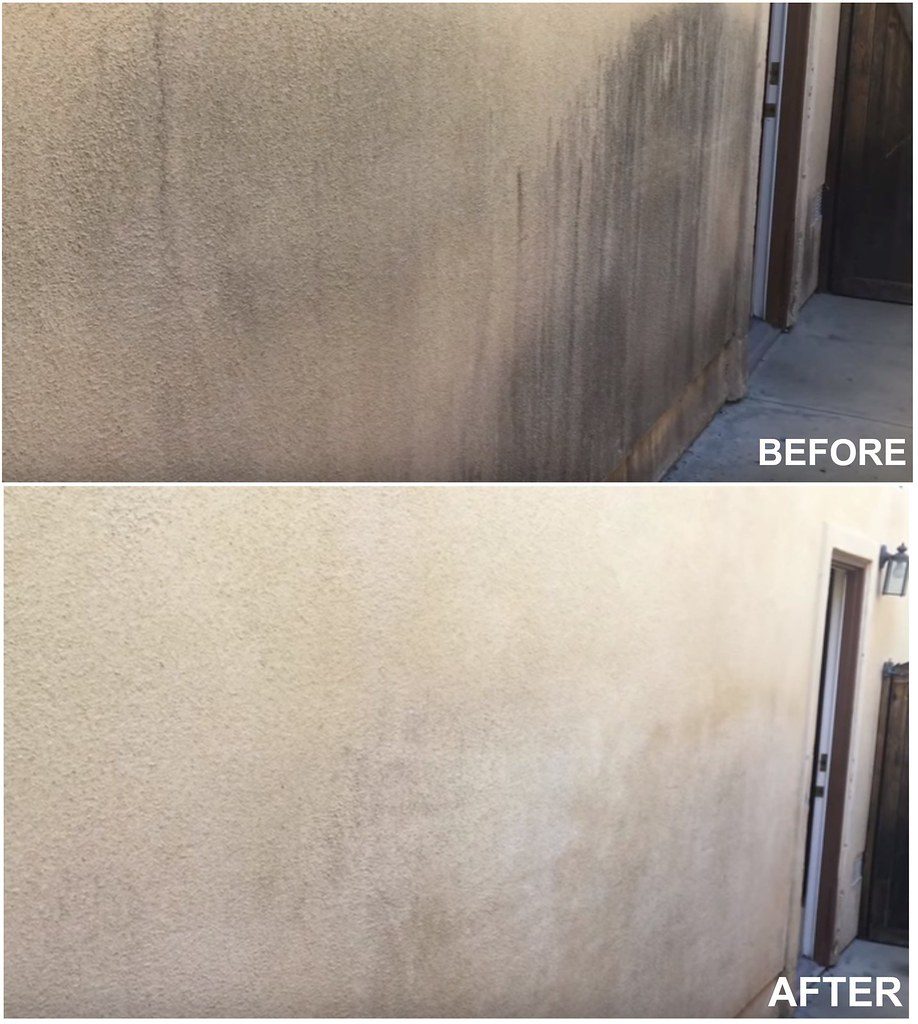
You washed the green off the north wall in April. By October there is a faint green haze in the same spot, starting at the same corner, climbing from the same shrub. If you want to know how to prevent algae growth on vinyl siding, that pattern is the whole clue: algae come back to the places your house stays wet.
Removal is a separate job, and we cover it step by step in how to remove green algae from vinyl siding. This post is about the months after the wash. In Garner and the rest of southeast Wake County the air is humid for much of the year, shade trees are everywhere, and red clay lots grow thick foundation beds. None of that changes. What you can change is how long each wall stays damp after dew, rain and irrigation, and how much dust and pollen it holds for growth to feed on.
Below: why growth returns, a table matching each moisture source to the wall it feeds, the fixes in order, and a wash interval you can keep.
Why Does Algae Keep Coming Back on Vinyl Siding?
Algae and mildew come back because the conditions that grew them are still there. A mold and mildew guide from APA, hosted by the USDA Forest Products Laboratory, puts it plainly: growth happens in “conditions of ample moisture, darkness or low light, and stagnant airflow.” It also notes that “even a thin film of dust will suffice” as food.
Vinyl itself does not feed anything. The film on top of it does: dust, pollen, and the fine red clay that splashes up from bare beds. Keep that film damp and shaded, and spores that land on it take hold again.
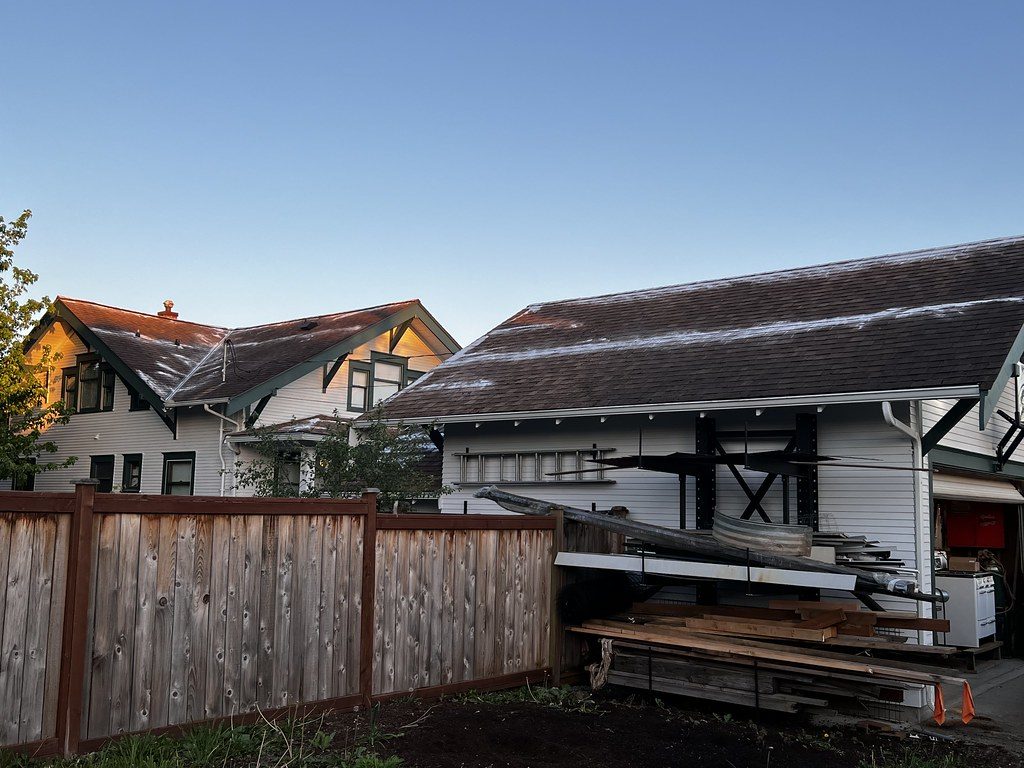
Purdue Extension’s house paint guide, NCR-134, adds two details that match what Garner siding shows. Growth is “most common on walls behind trees or shrubs where air movement is restricted”, and dew forms first on parts of the house that cool quickly, such as eaves and porch ceilings. That is why the green starts under the soffit and behind the azaleas, not in the middle of a sunny wall.
So prevention is really one idea with several parts: shorten the time each wall stays wet, and keep the food film thin.
Match the Moisture Source to the Wall
Before you trim, move or buy anything, walk the house and find out which of these is feeding your green. Most homes have two or three at once.
| Moisture source | What you see on the siding | The fix |
|---|---|---|
| Tree shade | Even haze across a whole wall, worst on north and east sides | Raise or thin the canopy on that side so sun reaches the wall for part of the day |
| Shrubs against the wall | Green starting at the bottom course, darkest behind each plant | Cut beds back so air moves between leaves and siding |
| Irrigation overspray | A band of growth at sprinkler height, often with mineral spotting | Re-aim or swap heads so the spray stops short of the house |
| Gutter overflow or leaky seams | Vertical streaks under one section of gutter or a corner | Clear the run, reseal the seam, check the downspout is not blocked |
| Downspout dumping at the foundation | Clay splash and growth on the lowest panels near the outlet | Add an extension or splash block that carries water away |
| Porch ceilings and soffits | Spotting on the underside, even on sunny sides | Keep them washed; they cool fast and collect dew |
Draining downspouts away from the foundation is one of the specific steps in the APA and USDA guide. The others on the list are the same principle applied outdoors: less water arriving, faster drying once it has landed.
Pro tip: Do a “dry-out walk” the morning after a rain. Go around the house around mid-morning and note which walls are still dark and wet. Those are your algae walls for next year, and they tell you where to trim first.
How to Prevent Algae Growth on Vinyl Siding: The Fixes That Pay Off
Work in this order. The first two change drying time the most; the rest remove specific water sources.
Let Sun and Air Reach the Wall
Shade is the one factor the USDA-hosted guide lists next to moisture, because a shaded wall stays wet for hours after a sunny one has dried. You do not need to remove trees. Raising the lower limbs on the side facing the house, or thinning a dense crown, often lets morning sun reach the north and east walls long enough to burn off dew.
In older, tree-heavy parts of Garner like Heather Hills and the streets around Historic Downtown Garner, this is usually the biggest lever. In newer subdivisions off White Oak Road the trees are younger, so the problem tends to be the next one on this list.
Pull Foundation Beds Away From the Siding
New-build landscaping goes in tight to the house and grows fast in Wake County clay. Within a few seasons the shrubs touch the bottom course, air stops moving, and the siding behind them never fully dries. Purdue’s point about walls “behind trees or shrubs where air movement is restricted” describes exactly this.
Aim for a clear gap between the outside of each plant and the wall so you can see siding through the bed. Pine straw and mulch should stay below the bottom edge of the siding, not piled against it, and bare clay should be covered so rain does not splash it up onto the panels.
Stop Irrigation From Reaching the House
A sprinkler that wets the wall every morning makes it the wettest surface on the property. Watch a full irrigation cycle and adjust any head that reaches the siding. Rotor heads can usually be set to stop short of the house; fixed spray heads may need a different nozzle pattern.
Keep Gutters Moving Water
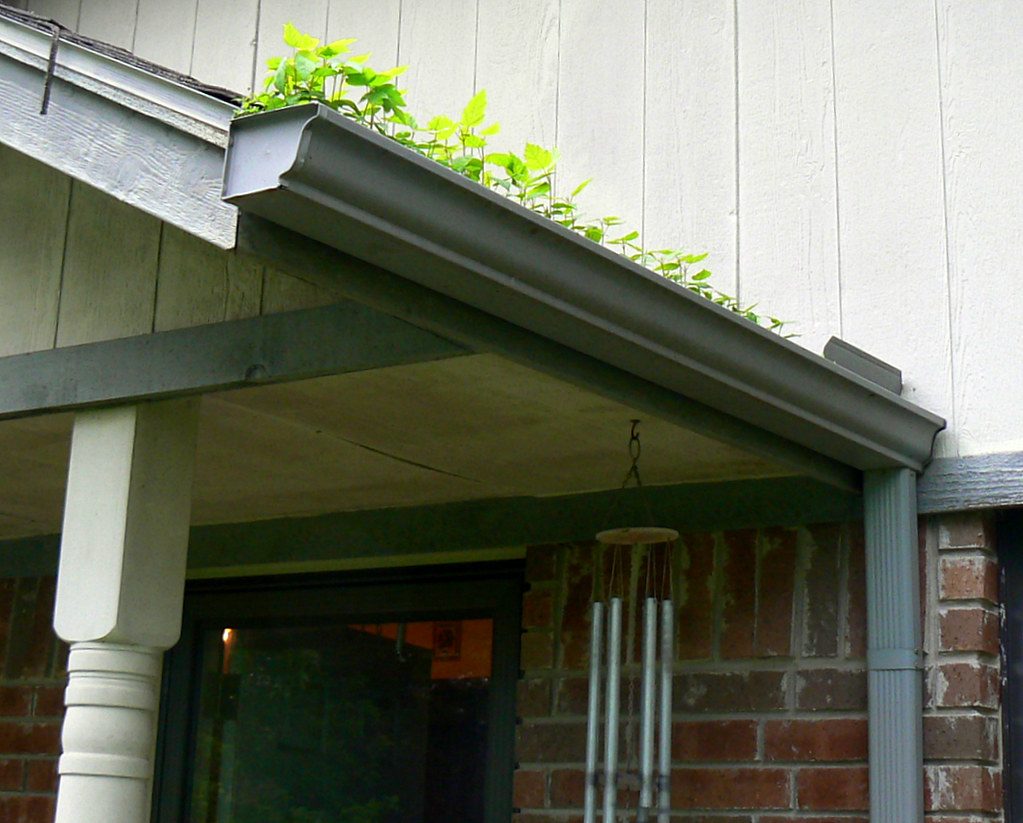
An overflowing gutter runs a sheet of water down one strip of siding every storm, and algae follow it. Look for streaks lined up under a corner or a seam. Clearing the run and resealing a leaking joint removes that water source. If the gutter faces themselves are streaked black, that is a separate cosmetic problem our gutter cleaning and brightening service covers.
Rinse the Food Film Before It Builds
Pollen, dust and clay splash are what spores feed on. A plain garden-hose rinse of the problem walls after the spring pollen and again in fall takes that film off before it holds moisture through a humid summer. For the spring timing, our post on pine pollen on house siding explains when to wait and when to rinse.
Is a Regular Wash Part of Preventing Algae?
Yes. In a humid climate, a scheduled wash is part of prevention, not a failure of it. Moisture control slows regrowth; it does not stop airborne spores from landing. Washing on a schedule catches new growth while it is a light film, before it spreads across the wall.
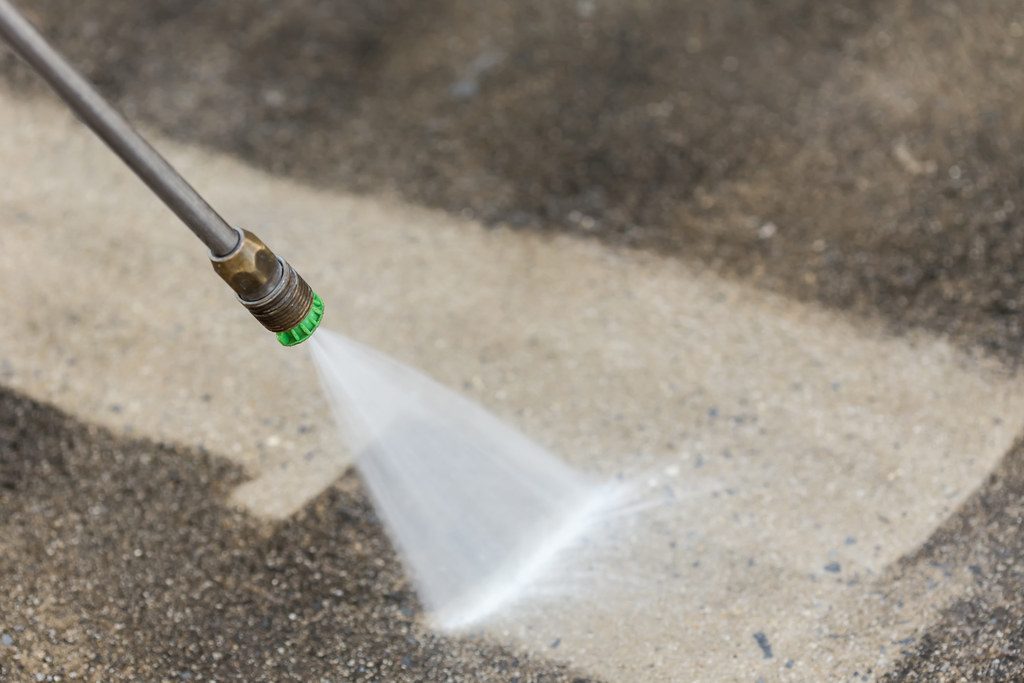
For most Garner homes that means one full soft wash a year, with shaded walls checked in between. Our guide on how often to pressure wash a house in NC lays out the schedule by surface. The method matters too: vinyl gets a low-pressure soft wash, never a close-range high-pressure jet, which can force water behind the panels and create the damp you are trying to prevent. The house washing service page explains how a soft wash is done.
If you are not sure whether the growth on your wall is algae, mildew or just dirt, the bleach drop test in mold vs mildew vs algae on siding will tell you in two minutes.
Which Garner Walls Need Watching First?
The north wall is almost always first, because it gets the least direct sun. After that, look at:
- Walls facing a wooded lot line. Homes backing onto trees around the Lake Benson area and Aversboro Forest get shade on the back wall for most of the day.
- The side yard between two houses. In tighter subdivisions such as Bingham Station and South Creek, the gap between houses is shaded and still, which is ideal for growth even when the front of the house is bright.
- The wall behind the irrigation zone. Often the front, because that is where the lawn and beds are watered.
Frequently Asked Questions
What is the best way to prevent algae on vinyl siding?
The best way is to cut the time each wall stays wet: let sun and air reach it, pull shrubs back, stop sprinklers from hitting it, and keep gutters flowing. Then wash on a schedule so new growth never gets thick. No single product replaces those steps, because the organism returns wherever moisture and a dust film remain.
Is there a spray that keeps algae off siding?
There are cleaners sold for this, but we have not found an independent source showing a spray-on product stops regrowth on vinyl in a humid climate, so we do not recommend relying on one. The approach the building-science guides support is moisture control. A clean wall that dries fast is the best protection you can get.
Will cutting down a tree stop algae on my siding?
It can help a great deal on that wall, but you rarely need to go that far. Raising or thinning the limbs that shade the siding often gives enough morning sun to dry dew. On a wooded Garner lot, other walls may still need attention from shrubs, sprinklers or gutter overflow.
How often should vinyl siding be washed to keep algae away?
Once a year suits most Garner homes, with the shaded walls checked in spring and fall. A light hose rinse after pine pollen season helps between washes. Our NC house washing schedule covers timing for every surface.
Does algae coming back mean something is wrong with my siding?
Usually not. Fast regrowth in one spot almost always points to a water source nearby: a sprinkler, a leaking gutter seam, or a shrub touching the wall. Find the source using the table above and the growth slows. If you want a professional to look at the house and quote a soft wash, you can ask for a free quote.
Should I wash before or after fixing the moisture problems?
Fix the obvious sources first if you can, then wash. A wall washed while the sprinkler still hits it will green up again on the same line. For what a full wash costs, see the Garner pressure washing cost guide.
Keep Algae Off Your Vinyl Siding This Year
Preventing algae growth on vinyl siding comes down to drying time: sun, airflow, less water hitting the wall, and a thin food film. Fix those, wash once a year, and the green shows up later and lighter each season.
When the wall does need a clean, we can quote a low-pressure soft wash for homes in Garner, Clayton, South Raleigh, Willow Spring and Fuquay-Varina. Check typical prices in the Garner pressure washing cost guide, or contact us for a free quote.