How Often Should You Pressure Wash Your House in NC?
Garner Pressure Washing • July 15, 2026 • 8 min read
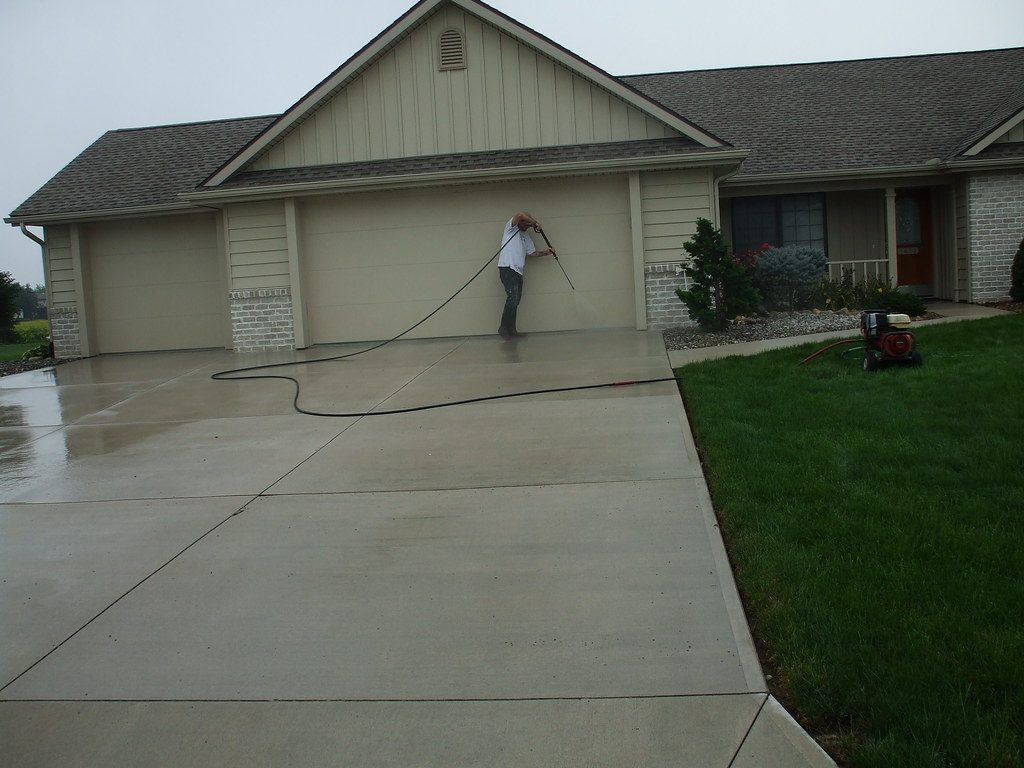
Most North Carolina homes need a full exterior wash once a year. That is the short answer to how often you should pressure wash your house in NC: an annual soft wash keeps vinyl siding ahead of the green algae film that our humid climate grows back every single season. Homes on shaded, north-heavy lots need to hold that 12-month siding cadence strictly, and their roofs often need attention around every 18 months instead of the multi-year stretch a sunny lot gets.
If you live in Garner or anywhere in southeast Wake County, you have probably noticed the pattern yourself: the siding looks clean through summer, dulls by winter, and shows a green haze on the north wall by the following spring. That is not dirt you scrub away once and forget. It is a living organism on a repeat cycle. This guide lays out a realistic surface-by-surface schedule, explains why NC timelines run shorter than national advice, and covers the situations where you should wash off-schedule.
How Often Should You Pressure Wash Your House in NC?
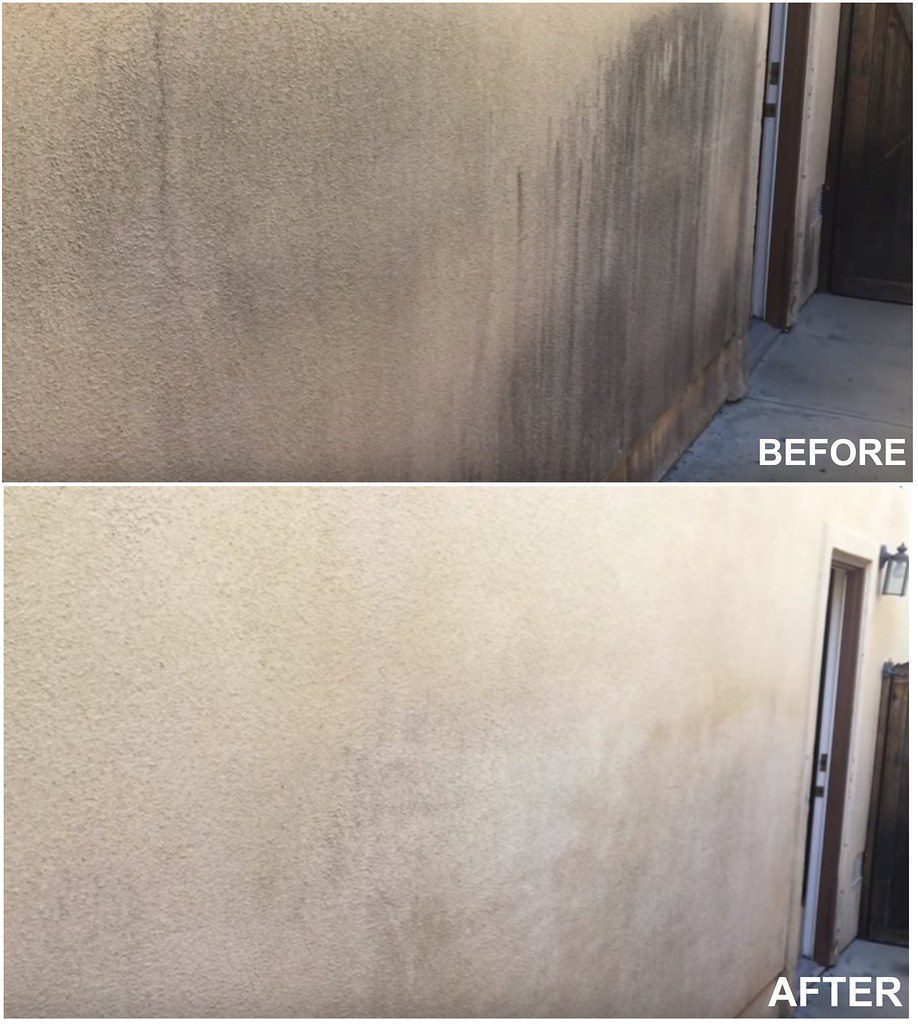
Once a year is the right baseline for most NC homes. Annual house washing removes algae, pollen, spider webbing, and general grime before any of it bonds deeply to the siding. Wait two or three years and the green film turns into anchored growth that takes stronger chemistry and more dwell time to kill.
Two caveats matter in the Triangle:
- Shaded and north-heavy lots run faster. A home backed up to tree cover in Aversboro Forest or the Lake Benson area holds moisture longer after every rain and dew cycle. Keep siding on a strict 12-month schedule and expect the roof to show algae streaks closer to every 18 months.
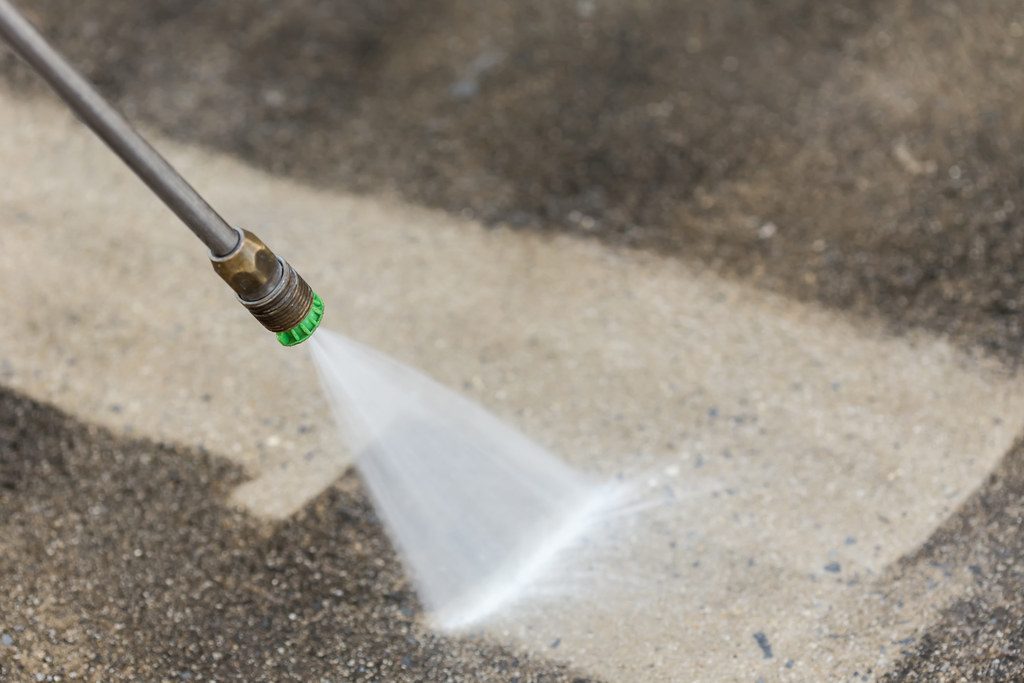
- Method matters as much as timing. Vinyl siding and asphalt shingles should get low-pressure soft washing (an algaecide mix applied gently and rinsed), never high-pressure blasting. Concrete is the surface that takes real pressure, run through a surface cleaner. If those terms are new, the comparison in soft washing vs pressure washing breaks down which method belongs on which surface.
Pressure Washing Schedule by Surface
Different surfaces collect different problems at different speeds. Here is the schedule that fits Garner conditions:
| Surface | How Often | Method | Why That Cadence |
|---|---|---|---|
| Vinyl siding | Every 12 months | Soft wash (low pressure) | Humidity regrows green algae annually; north walls first |
| Roof (asphalt shingles) | Every 2 to 4 years, as streaks appear | Soft wash only, never pressure | Gloeocapsa magma streaks spread slowly; shaded lots trend toward 18 months |
| Driveway and walkways | Every 1 to 2 years | Surface cleaner + pressure | Red clay splash, tire marks, and gray buildup accumulate steadily |
| Deck and fence | Before every re-stain, or every 2 to 3 years | Wood-safe low pressure and chemistry | Mildew and gray weathering must come off before stain can bond |
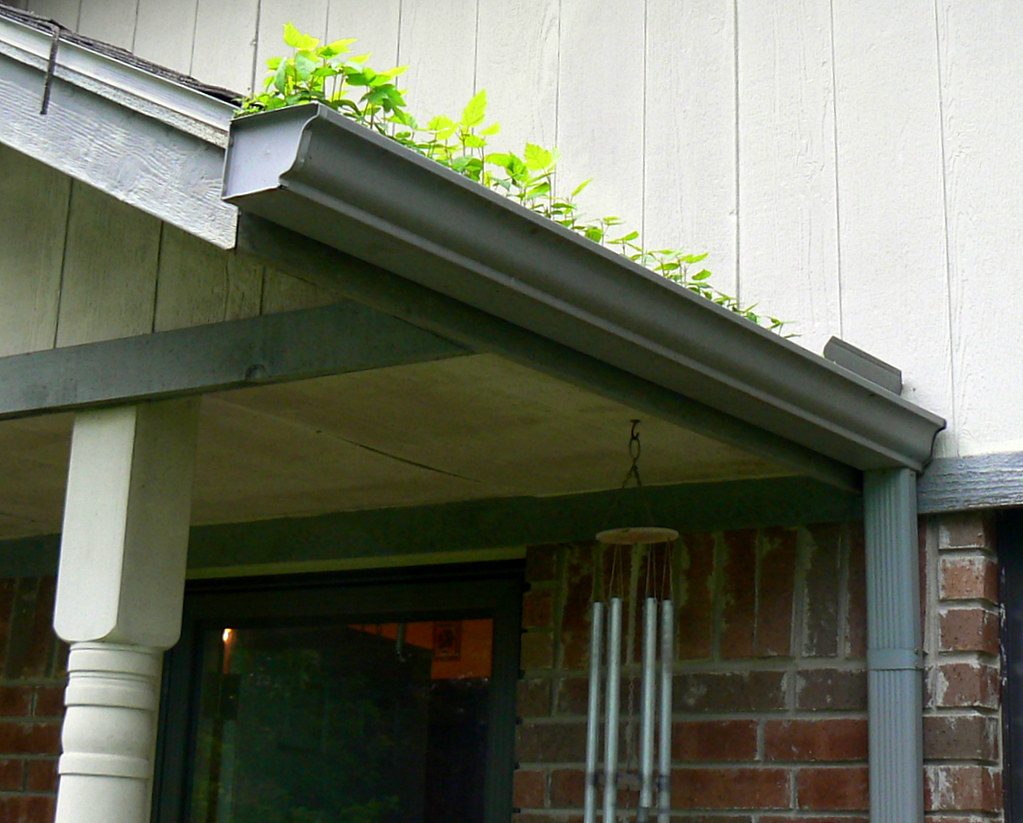
| Gutter faces | Every 12 months, or when tiger stripes show | Dedicated brightening chemistry | Black striping is oxidation bonding, not loose dirt |
A few notes on reading that table. The roof range is wide on purpose: a sun-exposed roof in a newer section of Adams Point may go four years before black streaks appear, while a north slope under pine canopy can streak in a year and a half. Watch the roof rather than the calendar, and treat streaks when you first see them, because the algae is eating the limestone filler in your shingles the whole time it sits there.
Driveways in Garner rarely make it two years looking clean. Wake County red clay splashes onto garage aprons and curb lines with every hard rain, and the iron oxide in it stains concrete orange. A driveway and concrete cleaning every 12 to 24 months, with pre-treatment on the clay staining, resets it.
Pro tip: Schedule your annual wash for late April or early May, after the pine pollen drops, not before. A house washed in March looks freshly coated in yellow by tax day. Washing after the pollen flush cleans off the whole spring mess at once and carries you into summer.
Why Do NC Homes Need Washing More Often Than Most?
Because the Triangle’s climate is close to ideal for the organisms that stain houses. National advice often says homes can go two to three years between washes. Four local factors compress that timeline in Garner:
Humidity. Our humid subtropical climate keeps siding damp through long stretches of the year. Algae and mildew need moisture to grow, and they get it here almost year-round. This is the single biggest reason annual washing is the NC norm.
April pollen. Every spring, pine pollen coats siding, porches, screens, and driveways in yellow film. It is not just cosmetic: pollen is organic material that feeds the algae layer underneath it. An annual post-pollen wash clears both at once.
Shade. Garner’s older, tree-heavy streets in Heather Hills and around Historic Downtown hold shade that slows drying. Shaded and north-facing walls green up first, which is why those homes need the strict 12-month cadence rather than an occasional wash.
New-construction clay. In newer subdivisions off White Oak Road and NC-42, graded lots expose raw red clay for years while landscaping matures. Every storm splashes it onto foundations, brick skirts, and concrete. New-build owners in South Creek or Bingham Station often need driveway cleaning on the faster end of the 1-to-2-year range.
If you are budgeting for the annual cycle, the Garner pressure washing cost guide breaks down what each surface typically runs so you can plan the year in one pass.
When Should You Break the Schedule?
Wash off-schedule whenever the house has a job to do or a problem to stop. Three situations justify washing early, even if the last wash was recent:
You are listing the home. A soft-washed house, clean driveway, and bright gutter faces change how a listing photographs and how a buyer reads the property from the curb. Wash within a few weeks of photos, not months before.
You got an HOA letter. HOAs in Garner’s newer subdivisions send notices for green siding and stained driveways, and they usually attach a deadline. A soft wash plus driveway cleaning is normally the fastest way to close one out. Do not wait for your annual slot.
The porch smells like mildew. A musty smell on a covered porch or under an entry overhang means active mildew growth, not just surface staining. Growth compounds, so treating it now is cheaper and easier than treating it after another humid season.
Green film that appears well ahead of schedule is also worth acting on early. The longer algae sits, the tighter it bonds; the walkthrough on removing green algae from vinyl siding explains why early treatment matters.
Frequently Asked Questions
Can you pressure wash a house too often?
You can damage a house with the wrong method, but you cannot realistically over-wash with the right one. Annual soft washing uses low pressure and mild chemistry, so it is gentle enough to repeat every year without harming vinyl, paint, or caulk lines. The damage stories you hear almost always come from high-pressure wands aimed at siding, which can force water behind panels and strip finishes in a single afternoon.
What is the best month to wash a house in Garner?
Late April through May, right after the pine pollen finishes falling. That timing removes the pollen coating and the algae film underneath it in one wash and keeps the house clean through the summer. October is the best second choice if you missed spring, since it clears summer growth before the damp winter months.
How often should you clean gutters versus brighten them?
Interior gutter cleaning (flushing leaves and debris) typically needs attention once or twice a year depending on tree cover, while exterior gutter brightening is an annual or as-needed job. The black tiger stripes on gutter faces are oxidized bonding, not loose dirt, so they need dedicated chemistry rather than pressure. Most Garner homes pair brightening with the annual house wash.
Do shaded homes really need a different schedule?
Yes. Shade slows drying, and damp surfaces grow algae faster. A north-facing wall under tree canopy near Lake Benson can show green film in 8 to 10 months, while a sun-blasted south wall in a new subdivision might stay clean for two years. If your lot is shaded or north-heavy, hold the 12-month siding schedule firmly and check the roof for streaks around the 18-month mark.
Does an annual wash actually save money?
Generally, yes. Light annual algae film rinses off with a standard soft wash, while multi-year buildup takes more chemistry, more dwell time, and sometimes repeat treatment. Skipping years also lets roof algae shorten shingle life and lets clay stains set into concrete, and those repairs cost far more than any wash.
How do I get an exact price for my house?
Send your address and a photo or two through the contact page and you will get a firm, up-front quote, usually the same day. Pricing depends on square footage, stories, and which surfaces you bundle, so a quick look at the specific house beats any generic estimate.
Keep Your Garner Home on the Right Washing Schedule
Knowing how often to pressure wash your house comes down to one rule in North Carolina: once a year for the siding, then let each other surface follow its own clock. Garner Pressure Washing serves Garner, Clayton, South Raleigh, Willow Spring, and Fuquay-Varina with low-pressure soft washing for siding and roofs and surface cleaning for concrete, all with up-front pricing. Check the pressure washing cost guide to see typical prices by surface, or request a free quote and get your home on a schedule that keeps the algae from ever getting ahead of you.