Pine Pollen on Your House: When to Wash It Off
Garner Pressure Washing • September 26, 2026 • 8 min read
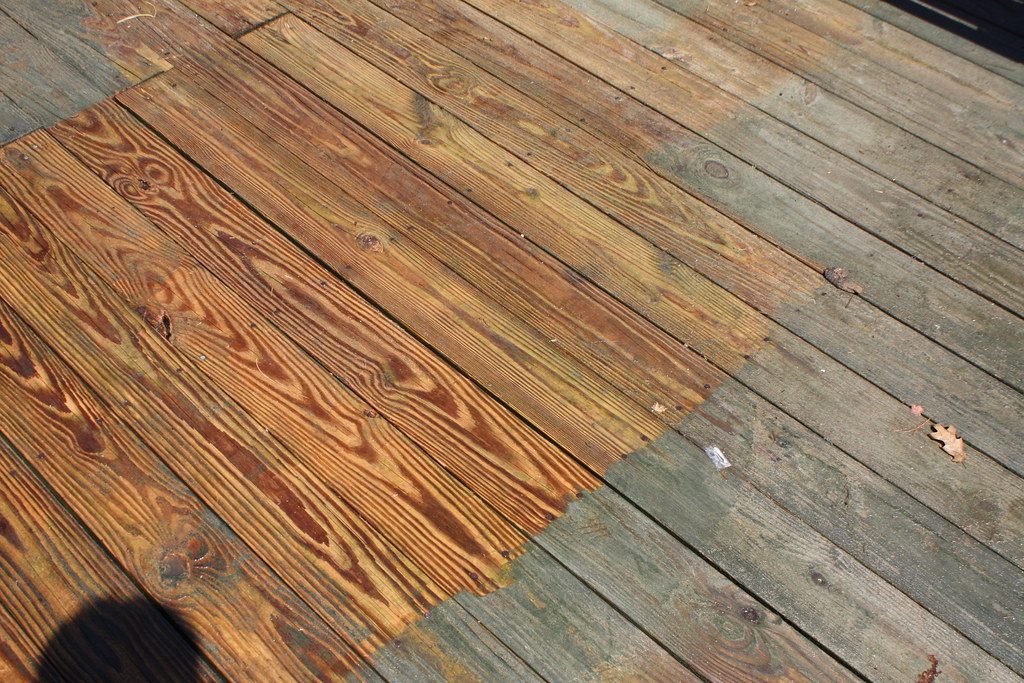
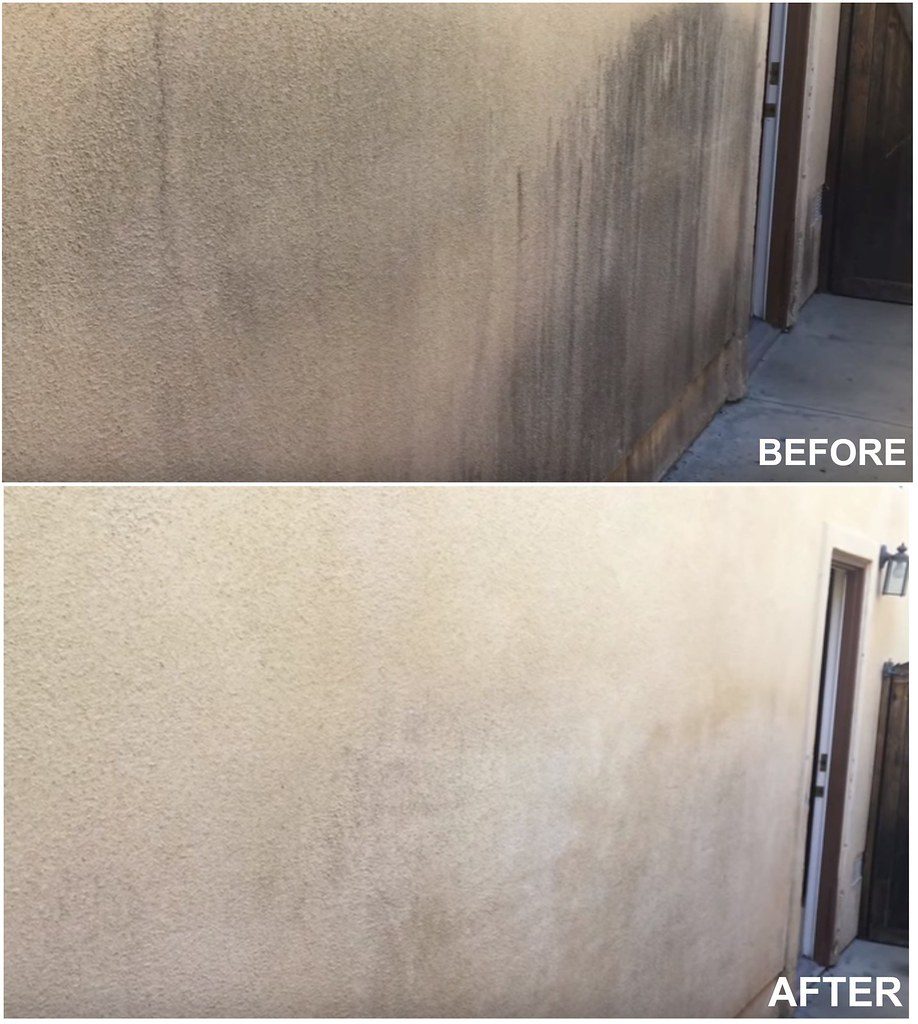
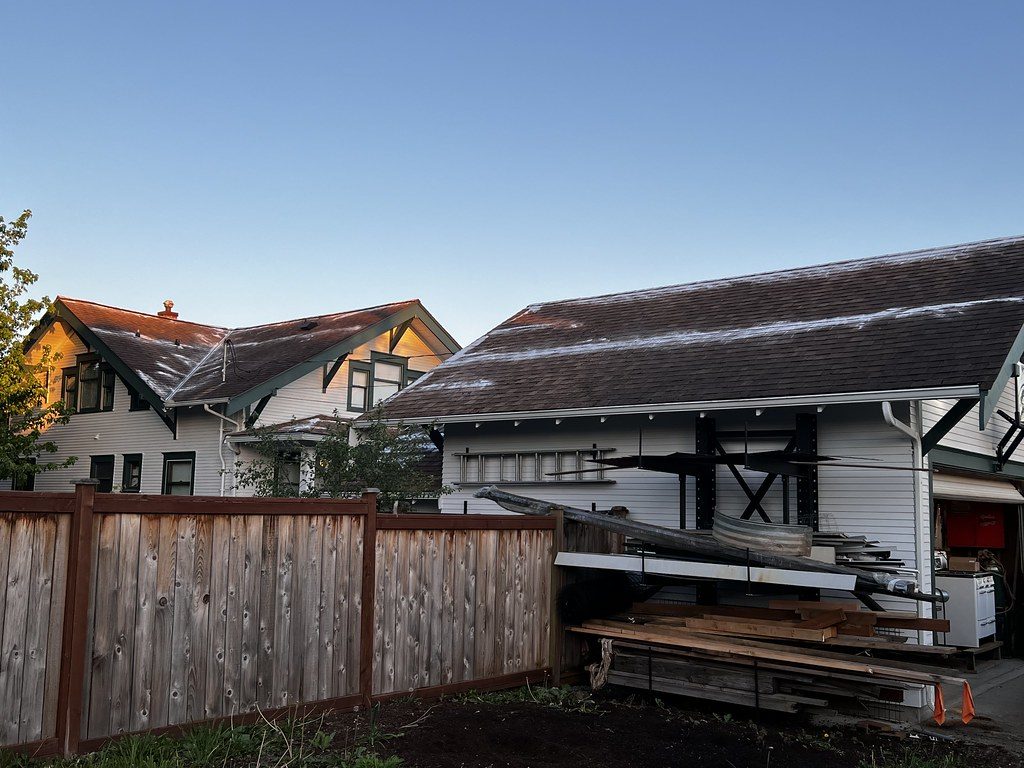
Every spring in Garner there is a week when the car turns yellow overnight, the porch rail leaves a stripe on your sleeve, and the siding under the eaves looks dusted with mustard powder. Knowing how to clean pollen off a house is mostly a question of timing. Wash too early and you do it twice. Wait too long and the yellow film mixes with spring rain and dries into rings and lines on every ledge.
This post is about that timing, and about the pollen itself: when central North Carolina’s season actually runs, what a light rinse fixes, when a full wash makes sense, and which surfaces need more than a hose. It covers siding, porches, screens, decks and outdoor furniture. There are no prices here; if you want those, the Garner pressure washing cost guide has them.
It is being published in the fall on purpose. The best pollen plan is made before February, while the house is still clean.
When Is Pine Pollen Season in Central North Carolina?
Pine pollen season in central North Carolina peaks between late March and early April. NC State Extension Forestry’s pine pollen guide says tree pollen production “begins as early as February with species like juniper and maple” and that “pollen counts typically peak between late March and early April.” The NC Department of Environmental Quality gives the same window, saying levels “typically reach their peak in central North Carolina during March and April when trees such as oaks and pines are flowering.”
Two more details from the Extension page are useful for planning:
- Daily peak. Counts peak “in the mid-morning as the air dries out.”
- Weather. Rain “washes pollen out of the air”, and a late frost can damage the male flowers and cut the season’s total. A warm, dry spring means a heavier yellow coat.
So for a Garner home the realistic plan is: expect it from late February, expect the worst of it in the last week of March and the first week of April, and expect the air to clear by late April in a normal year.
Should You Wash Pollen Off Now or Wait?
Rinse lightly during the season, and save the full wash for when the pollen stops falling. A full exterior wash in mid-March will look clean for a few days and then turn yellow again. A light rinse keeps the worst of it off the surfaces you use, and the proper clean comes after.
| When | What is happening | What to do |
|---|---|---|
| February to mid-March | Early tree pollen, light film | Nothing yet, unless you have an event at the house |
| Late March to early April | Peak: yellow on every flat surface | Hose-rinse porches, rails, screens and furniture you use; leave siding for now |
| Mid to late April | Counts falling, film settled into corners | Rinse siding, sills and soffits; check shaded walls for green underneath |
| Late April into May | Air clear in a normal year | The right window for a full house wash, deck clean or stain prep |
The late April to May slot lines up with the annual wash timing in our NC house washing schedule, so one visit clears the pollen and the year’s algae together. Our seasonal cleaning schedule for Garner homes fits that spring wash into the rest of the year.
Pro tip: Rinse in the late afternoon or right after a shower, not first thing. NC State says pollen counts peak mid-morning as the air dries, so a morning rinse on a dry day often gets a fresh coat within hours.
How to Clean Pollen Off a House Without Damaging It
Pollen is loose and light, so it comes off with water and gentle contact. The mistake is reaching for pressure.
- Start at the top and work down. Rinse the soffits and upper siding with a garden hose so the yellow runs down onto surfaces you have not cleaned yet, not onto ones you have.
- Use a soft brush for anything sticky. Where pollen has mixed with rain and dried into lines along the laps or window sills, a long-handled soft brush and plain water lifts it.
- Do the horizontal surfaces last. Porch floors, steps, rails and outdoor furniture collect the runoff from everything above.
- Rinse screens gently from the inside out if you can remove them, or brush them lightly in place.
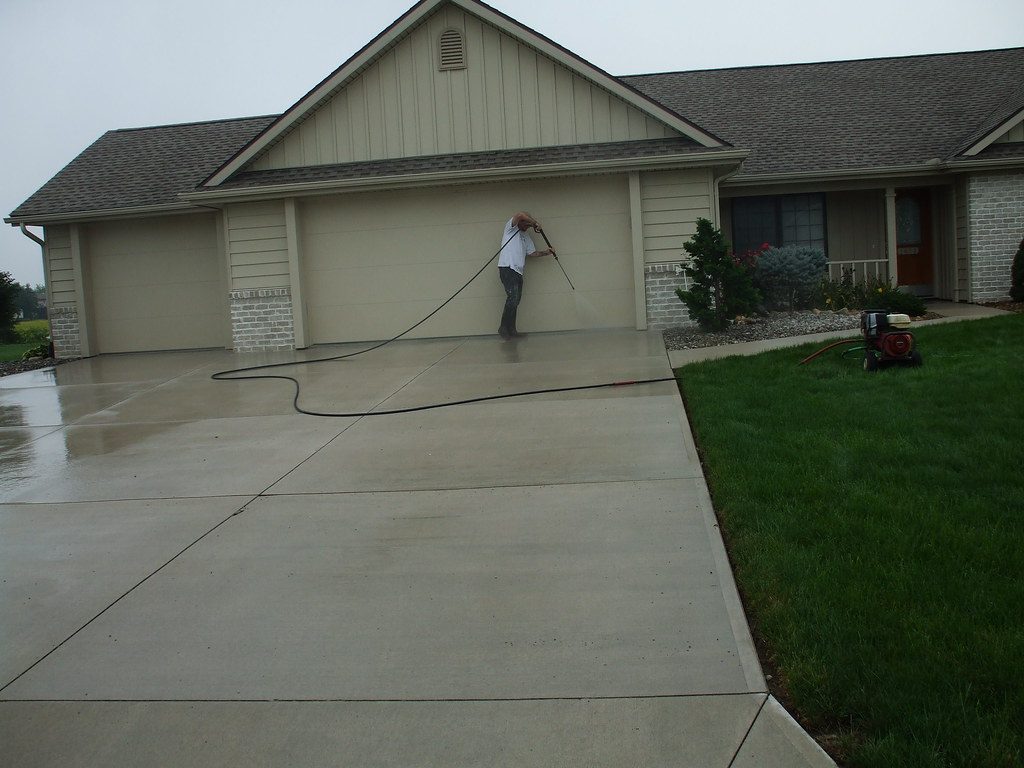
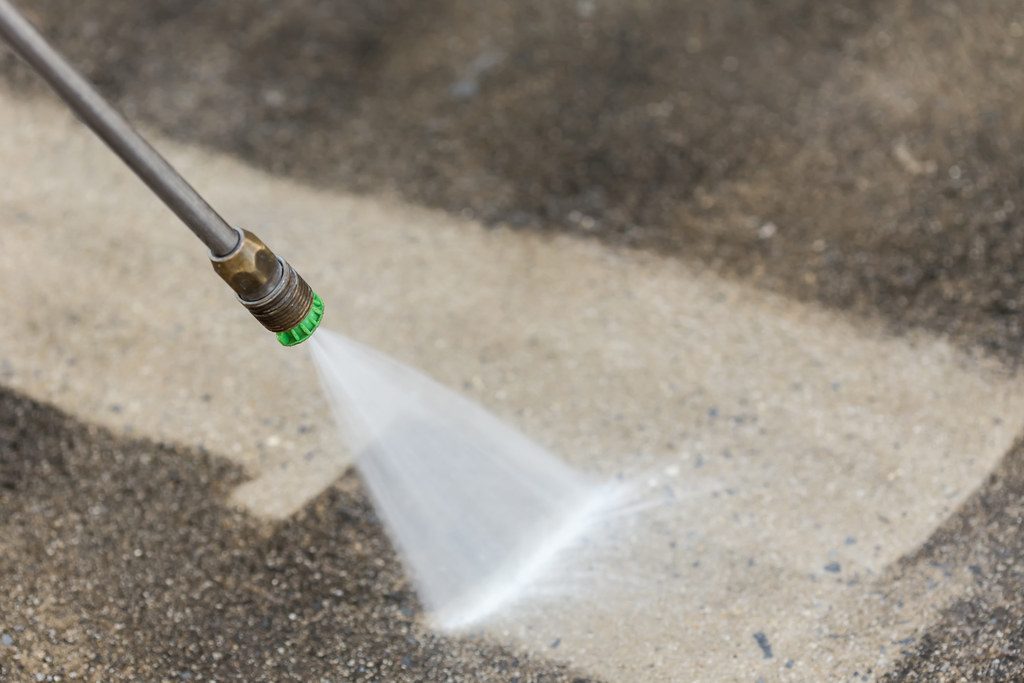
- Skip the pressure washer on siding. A close high-pressure jet can drive water behind vinyl laps and strip paint from fiber cement. James Hardie tells its owners to use “a low-pressure hose and a soft medium bristle (nonmetal) brush” and “Don’t use a high-pressure power washer”. Water pressure is not what gets pollen off; volume and a brush are.
If the house needs more than a rinse (green growth under the yellow, or two stories you cannot reach safely), that is a low-pressure soft wash job. The house washing service page explains how one is done.
Does Pollen Harm Siding, Decks or Paint?
On its own, pine pollen is a cosmetic mess rather than a known cause of damage; we have not found a primary source showing it harms vinyl, brick or sound paint. The practical concern is what it leaves behind. A mold and mildew guide hosted by the USDA Forest Products Laboratory notes that “even a thin film of dust will suffice” to feed growth. A spring coat of pollen left on a shaded, humid wall is that film.
That is why a Garner house that is left yellow through May often shows green on the same walls by late summer. Rinsing it off is part of preventing algae on vinyl siding, not a separate chore.
Decks and fences are different. Wood holds the pollen in its grain and in the gaps between boards, and a deck that is going to be stained needs to be clean and dry first. If spring is when you plan to refinish, the pollen has to be off before any stain goes on. Our deck and fence washing service covers wood-safe cleaning.
Which Garner Homes Get the Heaviest Coat?
Any home near mature pines gets it, but a few patterns are common:
- Wooded lots. Homes backing onto tree lines around the Lake Benson area and in older neighborhoods like Heather Hills and Van Story Hills sit under the source.
- Screened porches. Screens catch pollen and hold it, and every breeze drops more onto the floor and furniture.
- Shaded walls. Pollen on a north wall stays damp longest, which is where the green shows up first later in the year.
Newer subdivisions such as Bingham Station and South Creek get less direct fall from overhead canopy, but pollen travels on the wind, so the yellow still arrives.
Frequently Asked Questions
When does pine pollen season end in NC?
In a normal year the heaviest pollen in central North Carolina falls between late March and early April, and the air is largely clear by late April. NC State Extension notes that production can begin as early as February, and the season varies with weather: a warm, dry spring runs heavier.
Will rain wash the pollen off my house?
Rain washes pollen out of the air, according to NC State Extension, and it rinses some off vertical siding. On flat and sheltered surfaces it often just moves the pollen around, leaving yellow rings on porch floors and lines along window sills when the water dries. Those spots need a hose and a soft brush.
Can I pressure wash pollen off my siding?
You do not need to, and it is not worth the risk. Pollen is loose, so a garden hose and a soft brush remove it. High pressure on siding can force water behind vinyl or strip paint from fiber cement; James Hardie specifically tells owners not to use a high-pressure power washer on its siding.
Is pine pollen the reason I am sneezing?
Probably not on its own. NC State Extension says pine pollen “is less allergenic than the microscopic grains from hardwood trees like oak and hickory”, because pine grains are larger and smoother. The yellow you can see is mostly pine; the pollen more likely to bother you is the kind you cannot see.
When should I book a spring house wash in Garner?
Late April into May, after the pollen stops falling, is the best window. It clears the yellow film and any algae underneath in one visit. You can request a free quote ahead of time so the wash is on the calendar before the pollen starts.
Should I clean my deck before or after pollen season?
After. Cleaning a deck in March means cleaning it again in April. If you plan to stain in spring, wash once the pollen has finished, then let the wood dry fully before staining.
Get the Pollen Off Your House at the Right Time
The simplest answer to how to clean pollen off a house in Garner: rinse lightly during the peak, and do the full wash once the air clears in late April or May. Plan it now, while the house is clean and the calendar is empty.
When spring comes, we can quote a low-pressure house wash or deck clean for homes in Garner, Clayton, South Raleigh, Willow Spring and Fuquay-Varina. See typical costs in the pricing guide, or contact us for a free quote.