How Cold Is Too Cold to Pressure Wash?
Garner Pressure Washing • September 26, 2026 • 7 min read
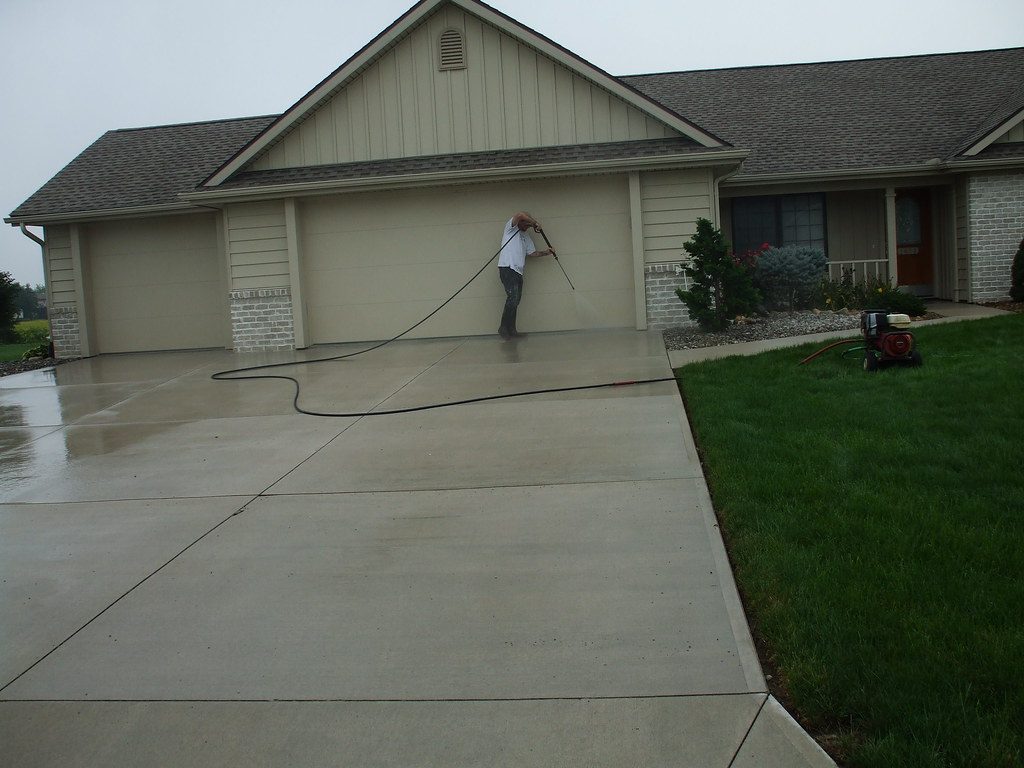
The leaves are down, the driveway is slick with them, and you have a free Saturday. The forecast says 38 degrees at sunrise and 55 by afternoon. So how cold is too cold to pressure wash?
The short answer: wash only when the air will stay at 40 °F or above until every surface you wet has dried, and never when a freeze is expected that night. That line comes from the Brick Industry Association, which says water-only cleaning of brick should happen only “when the ambient temperature will be 40 °F or above and will remain so until the wall is dry” (BIA Technical Note 20). It was written for masonry, but the logic applies to concrete, steps and decks too: water left in a surface overnight is water that can freeze.
In Garner the question arrives sooner than people think. The NC State Climate Office puts Raleigh’s average first frost between 19 and 26 October. This guide covers the temperature bands that matter, what actually goes wrong in the cold, which jobs can wait for spring, and which ones cannot.
How Cold Is Too Cold to Pressure Wash?
Below 40 °F is too cold for water-only washing, and below 50 °F cleaning solutions start to lose effectiveness. BIA sets both lines: water-only cleaning at 40 °F or above until the wall is dry, and “chemical cleaning solutions are generally more effective when the outdoor temperature is 50 °F or above.” It also says not to clean during freezing weather or when freezing weather is expected, and that ideally temperatures should stay above freezing for seven days after cleaning brick.
Here is how the bands play out:
| Air temperature | What to expect | Good day to wash? |
|---|---|---|
| 50 °F and up, dry and sunny | Solutions work as intended; surfaces dry by afternoon | Yes |
| 40 to 49 °F | Water-only work is within BIA’s line if it stays there until dry; soft wash solutions work more slowly | Sometimes: sunny surfaces, midday start |
| 33 to 39 °F | Frost range; the Climate Office notes frost advisories are issued for lows of 33 to 36 °F | No: wet surfaces can ice |
| 32 °F or below | A freeze, by the Climate Office’s definition | No |
Sources: BIA Technical Note 20; NC State Climate Office, first frost and freeze climatology.
Notice that the afternoon high is not the number that matters. The overnight low after the wash is. A 55-degree afternoon followed by a 30-degree night is a bad day to soak a shaded driveway.
What Actually Goes Wrong When You Pressure Wash in the Cold?
Four things: surfaces ice over, water freezes inside porous materials, cleaning solutions slow down, and the equipment itself can freeze.
Ice where people walk. A driveway, walk or set of front steps that is still wet at dusk becomes a sheet of ice by morning if it drops to freezing. Shaded concrete, like a north-facing drive or the stretch under a big oak, is the last to dry.
Water inside brick and concrete. Masonry and concrete absorb water. Water that freezes inside the surface expands, which is why BIA warns against cleaning when freezing weather is expected and says it can harm the masonry and raise the risk of efflorescence, the white salt bloom that shows up on brick.
Slower chemistry. Soft washing depends on a solution working during its dwell time. BIA’s note that solutions work best at 50 °F and above matches what anyone washing in late fall sees: the same mix does less on a cold wall. That is one reason siding and roof washes are better left to warmer weeks.
Frozen hoses, pumps and spigots. Water left in a hose, a pump or an outdoor spigot line overnight in a freeze can crack it. Many Garner homeowners shut off or insulate outdoor spigots for winter, which also means there may be no water at the wall on wash day.
Pro tip: Choose the wash day by the overnight low, not the afternoon high. Look for a stretch where the next night stays well above freezing, start mid-morning once any frost has burned off, and finish the shaded surfaces first so they have the most drying time.
When Does Pressure Washing Season End in Garner?
For most outdoor washing in Garner, the comfortable window closes around the average first frost, 19 to 26 October, though mild days keep coming after that. The Climate Office adds that the first frost has lately tended to arrive slightly later than the long-term average. Central NC winters mix freezing nights with milder spells, so the season does not slam shut; it just gets harder to find a day that is warm, dry and followed by a frost-free night.
That makes late September and the first half of October the best time to clear anything that should not wait for spring. After that, washing becomes a pick-your-day job.
Which Jobs Can Wait for Spring, and Which Cannot?
Siding and roof washes can almost always wait for spring; slippery walkways and anything with a deadline usually cannot.
Let these wait. Green algae on the north wall or black streaks on the roof will still be there in April, and a wash timed after pine pollen season clears both at once. Our guide on how often to pressure wash your house in NC explains that spring rhythm, and the seasonal cleaning schedule for Garner homes lays out the whole year.
Do these before the cold, or on a mild day. Fallen leaves and winter mildew make concrete walks and steps slick, and red clay splash keeps building on a driveway through a wet winter. Driveway and concrete cleaning is the job most worth fitting in before late October. Decks due for stain also need warmth: stain makers set their own temperature windows, and Cabot’s is 50 to 80 °F with no rain for 24 hours (Cabot), so a deck washed in November may not be stainable until spring.
Deadlines. An HOA notice, a listing photo date or a holiday gathering does not wait for April. On those, a mild, sunny midweek day in winter is workable if the night after it stays well above freezing.
Frequently Asked Questions
Can you pressure wash in winter in North Carolina?
Yes, on the right day. Central NC winters bring mild spells between cold snaps, and a sunny day that stays above 40 °F with a frost-free night after it is usable for concrete and brick. Siding and roof soft washing are better left for spring, when solutions work at full strength.
Is 40 degrees too cold to pressure wash?
40 °F is the bottom of BIA’s line for water-only cleaning, and only if it stays there until the surface is dry. In practice, a day that starts at 40 °F and climbs is workable for concrete; a day that is 40 °F and falling toward a freezing night is not.
Can pressure washing damage concrete in cold weather?
The risk is not the wash itself but the water left behind. Concrete absorbs water, and water that freezes in the surface expands. Washing on a day that lets the slab dry before dark, and never before a forecast freeze, avoids it. That timing is part of any driveway cleaning booked late in the year.
Does soft washing work in cold weather?
It works more slowly. BIA notes that cleaning solutions are generally more effective at 50 °F and above, so a house wash in a cold snap may not kill algae as thoroughly as the same wash in May. For a house wash with no deadline, spring is the better choice.
When is the last good week to pressure wash in Garner?
Aim for late September through mid-October. Raleigh’s average first frost falls between 19 and 26 October, according to the NC State Climate Office, and after that dry, frost-free days get harder to line up.
Do I need my outdoor spigot on for a wash?
Yes, most washes use the home’s outdoor water. If you have shut off or winterized the spigot, turn it back on and check it runs before wash day. If you are not sure it will work in cold weather, contact us before booking and we can plan around it.
Pressure Washing in Cold Weather: Pick the Day, Not the Month
How cold is too cold to pressure wash comes down to one test: will it stay at 40 °F or above until everything you wet is dry, with no freeze that night? Below 50 °F, solutions slow down; below 40 °F, wait. In Garner, the easy window runs until the average first frost in late October, and mild winter days fill in after that.
We provide driveway and concrete cleaning and house washing across Garner, Clayton, South Raleigh, Willow Spring and Fuquay-Varina, with free quotes and up-front pricing. See the Garner pressure washing cost guide for how pricing works, or request a free quote and get your flatwork done before the first frost.