How to Remove Green Algae from Vinyl Siding
Garner Pressure Washing • July 11, 2026 • 8 min read
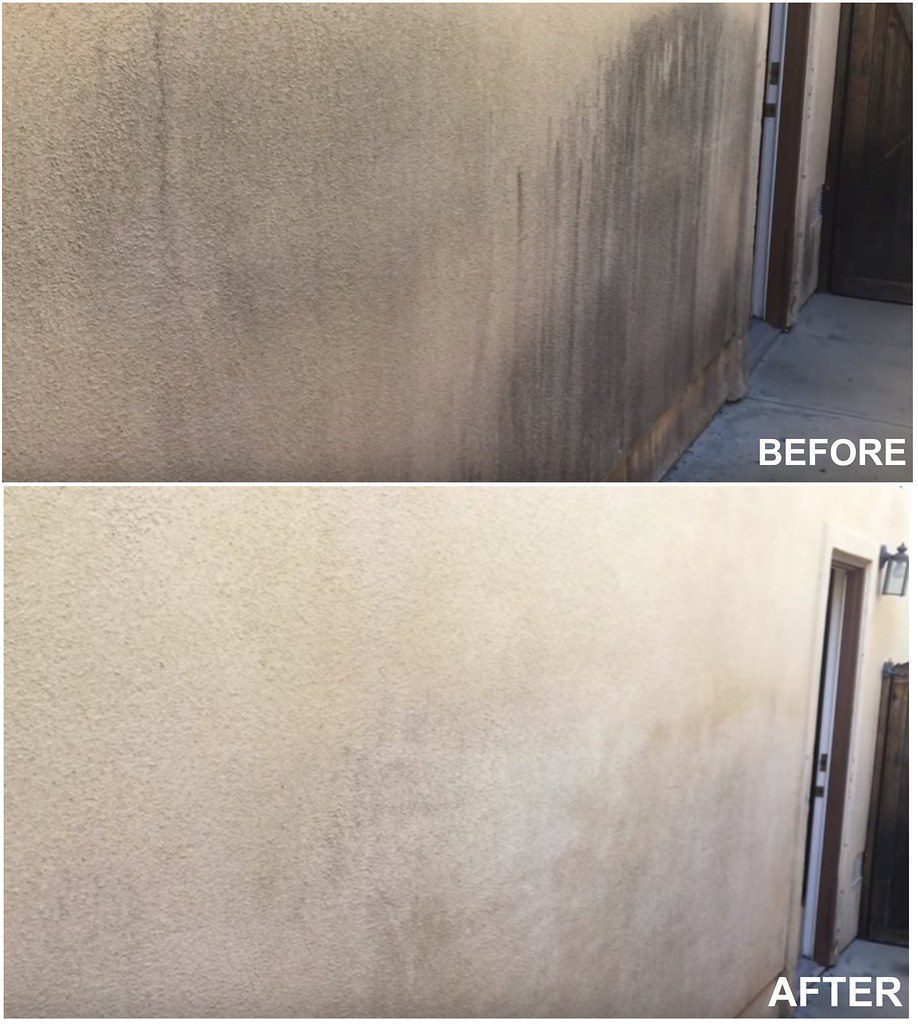
Walk around the north side of almost any vinyl-sided house in Garner and you will find it: a green film creeping up the wall, darkest near the foundation and under the eaves. If you want to remove green algae from vinyl siding and keep it from coming back in six months, the method matters far more than the elbow grease. Some approaches only wipe off the surface layer. One approach can crack panels and void your siding warranty. And one kills the growth at the root.
This green haze shows up on homes from Adams Point to Aversboro Forest because the Triangle’s humid climate is nearly perfect for algae. It is biology, not neglect, and it responds to chemistry.
This guide covers why Garner siding goes green, what that green layer actually is, which DIY methods work (honestly assessed), why pressure washing is the wrong tool for vinyl, and how to keep siding clean longer.
Why Does Vinyl Siding in Garner Turn Green?
Vinyl siding in Garner turns green because algae need three things to thrive, and southeast Wake County supplies all of them: moisture, shade, and warmth. Our humid subtropical climate keeps surfaces damp through muggy summers and mild winters, so algae never really get a dormant season here.
Shade is the multiplier. North-facing walls get the least direct sun, so dew and rain linger on them for hours instead of burning off. That is why the green almost always starts on the north side and on walls shaded by trees. Neighborhoods under heavy oak and pine canopy, like Heather Hills and the older streets around Historic Downtown Garner, green up faster than newer, more open subdivisions.
Texture seals the deal. Vinyl panels have wood-grain embossing, plus laps and J-channels that trap moisture and organic dust. Airborne algae spores land there, take hold, and spread. Left alone, the film bonds tighter every season and becomes harder to remove.
What Is the Green Stuff on Vinyl Siding, Exactly?
The green film on vinyl siding is almost always algae, usually a hardy airborne species called Gloeocapsa, sometimes mixed with mildew. It is a living organism, not dirt. That distinction drives everything about removal.
Dirt sits on a surface, so water and friction remove it. Algae grow on a surface and anchor into the panel’s texture. You can knock the visible green off by scrubbing, but if the organism underneath survives, it regrows from the same spots within months. Mildew behaves the same way and often shows up alongside algae on shaded walls and under gutter lines.
That is why the real question is not “how do I get the green off” but “how do I kill it.” Anything that only removes the color is temporary by design.
Does DIY Algae Removal Work on Vinyl Siding?
Yes, DIY removal can work on small, reachable areas: a soft-bristle brush and a proper cleaning solution will clear a few panels of light algae. The honest catch is scale, reach, and how long the result lasts.
Here is how the common approaches actually stack up:
| Method | Works? | Risk to Siding | How Long It Lasts |
|---|---|---|---|
| Garden hose rinse | No, algae are anchored, not loose | None | Days |
| Soft brush + outdoor cleaner | Yes, on small low areas | Low, but streaking if rinsed poorly | 3 to 6 months |
| Vinegar solution (70/30 water to vinegar) | Partially, on light growth | Low, can dull some finishes | A few months |
| DIY pressure washer on high | Removes the green, damages the wall | High: cracked panels, water behind siding, voided warranty | Not worth finding out |
| Professional soft wash | Yes, kills algae at the root | Very low, rinse pressure similar to heavy rain | 12 to 18 months typically |
If you go the brush-and-cleaner route, work bottom to top to avoid streaks, keep the solution off plants (rinse them before and after), and never let cleaner dry on the panel. Plan on a full afternoon for one side of a typical Garner two-story.
The limits show up fast. Second-story gables mean ladder work over landscaping, and scrubbing only treats what the bristles touch, so spores in laps and channels survive and reseed the wall. Most homeowners who scrub a wall in spring see green ghosting back by fall.
Pro tip: Test any cleaner on a hidden panel behind a shrub or near the meter first. Vinyl colorfastness varies by manufacturer and age, and faded south-side panels can react differently than protected north-side ones.
Why You Should Not Pressure Wash Vinyl Siding
High pressure is the one method that removes green algae and creates bigger problems at the same time. Vinyl is a thin, flexible cladding hung loosely so it can expand and contract, and it was never designed to take a concentrated jet of water. Three things go wrong:
- Cracked and gouged panels. A narrow-tip jet at close range can split vinyl, especially older panels made brittle by years of NC sun. Replacement panels rarely match faded originals.
- Water driven behind the wall. Spraying upward at lap joints forces water behind the siding, where it soaks sheathing and insulation. That trapped moisture invites the mold you were trying to prevent.
- Voided warranties. Most vinyl siding manufacturers exclude damage from improper pressure washing in their warranty terms. One aggressive wash can forfeit decades of coverage.
There is also the effectiveness problem: pressure blasts the visible algae off but does not kill the organism, so the wall greens back up quickly. For when each method belongs on which surface, see our guide to soft washing vs pressure washing.
How Does Soft Washing Kill Algae at the Root?
Soft washing removes green algae by treating it as a living organism: a diluted algaecide solution (typically sodium hypochlorite based, with surfactants) is applied to the siding at low pressure, given time to kill the algae and mildew down in the panel texture, and then rinsed off with pressure not much stronger than a garden hose.
Because the chemistry does the work, nothing forceful ever touches the vinyl: no cracked panels, no water driven behind laps, no warranty questions. The treatment also reaches every lap, channel, and embossed groove, killing the spores a brush can never touch. That is the difference over time: a scrubbed wall regreens in months, while a soft-washed wall in Garner typically stays clean for 12 to 18 months.
This is exactly what our house washing service is: a full-exterior soft wash covering siding, soffits, and gutter faces in one visit, usually two to three hours for a single-story home. If you are budgeting, the Garner pressure washing cost guide breaks down house washing prices by home size.
How to Keep Green Algae Off Your Siding
Prevention will not make Garner less humid, but it can slow regrowth considerably:
- Open up sun and airflow. Trim limbs shading the north and east walls, and cut shrubs back a foot from the siding so walls dry faster after rain.
- Fix the drip lines. Overflowing or leaky gutters keep siding wet in streaks, and algae follow the water. Clogged runs and stained faces are a job for gutter cleaning and brightening.
- Redirect sprinklers. Irrigation heads that mist the house create a permanent algae nursery on the lower panels.
- Wash annually. A yearly soft wash removes new colonies before they anchor. On shaded lots around the Lake Benson area, that schedule is the difference between light maintenance and heavy restoration.
Frequently Asked Questions
What kills green algae on vinyl siding permanently?
Nothing is truly permanent in a climate this humid, but an algaecide-based soft wash is the longest-lasting option because it kills the organism instead of removing the color. In Garner, a professional soft wash typically keeps siding clean for 12 to 18 months, versus 3 to 6 months for scrubbing alone.
Will green algae damage my vinyl siding?
Algae will not eat vinyl the way it eats shingles, but it holds moisture against the wall, feeds mildew, and can leave shadow staining if it sits for years. It also drags down curb appeal fast, which is why it is the number one trigger for HOA exterior notices in newer Garner subdivisions off White Oak Road and NC-42.
Can I use bleach on vinyl siding?
Yes, diluted properly. A common DIY mix is about one part household bleach to ten parts water, applied with a pump sprayer or soft brush, kept wet for 10 to 15 minutes, then rinsed thoroughly. Protect plants, never mix bleach with other cleaners, and skip windy days. Professional soft washing uses the same active chemistry at calibrated dilutions with surfactants that help it cling and rinse clean.
Why does the north side of my house turn green first?
Because it gets the least sun, so dew and rain sit on those panels for hours longer than anywhere else on the house. Shade from trees or a neighboring home has the same effect on any wall. If your green streaks are on the roof instead of the siding, that is a different organism and a different fix: see our roof cleaning service for the black-streak version of this problem.
How much does it cost to have algae removed from siding in Garner?
Professional house washing for most Garner homes falls in the few-hundred-dollar range depending on square footage, stories, and how heavy the growth is. You can request a free quote with your address for an exact number.
How often should I have my siding washed to stay ahead of algae?
Once a year works for most Garner homes, and shaded lots may want a spring and fall rinse of problem walls. An annual wash also clears April pine pollen in the same visit. Our post on how often to pressure wash a house in NC covers the full schedule by surface.
Remove Green Algae from Your Vinyl Siding for Good
You can scrub the green off a few panels yourself, and for a small patch that is a fine Saturday fix. But if algae has claimed a whole wall, soft washing is the way to remove green algae from vinyl siding at the root, protect your warranty, and stay clean into next year instead of next season.
Garner Pressure Washing soft washes vinyl, brick, and fiber cement across Garner, Clayton, South Raleigh, Willow Spring, and Fuquay-Varina with up-front pricing and no door-to-door pressure. Check the cost guide for typical house washing prices, or contact us for a free quote and get your siding back to the color you actually paid for.