How Long After Pressure Washing Can You Paint?
Garner Pressure Washing • September 26, 2026 • 8 min read
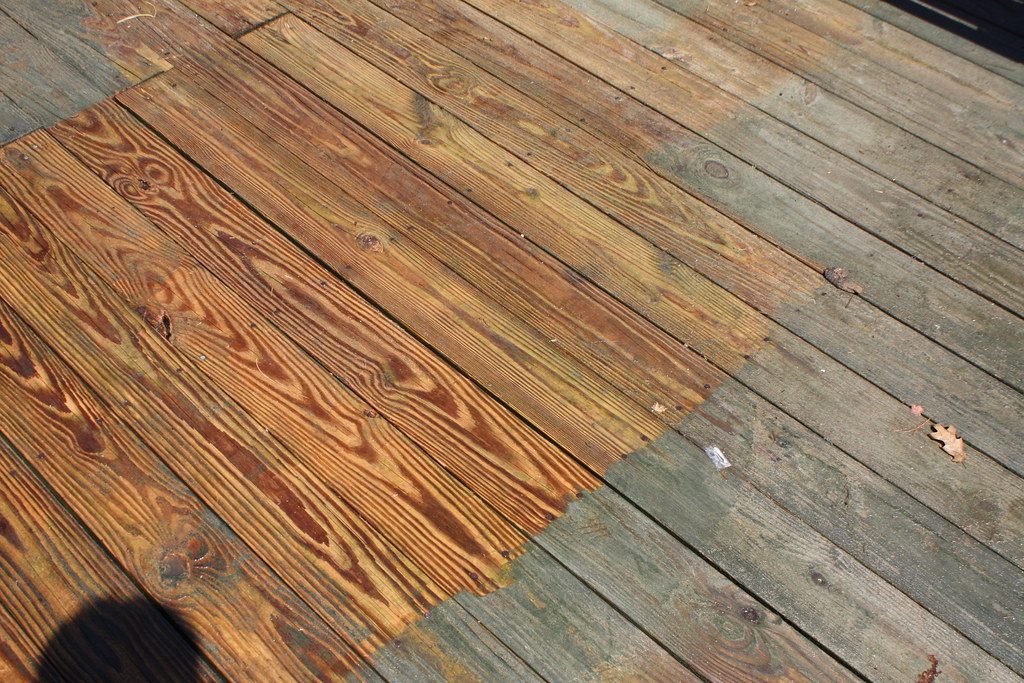
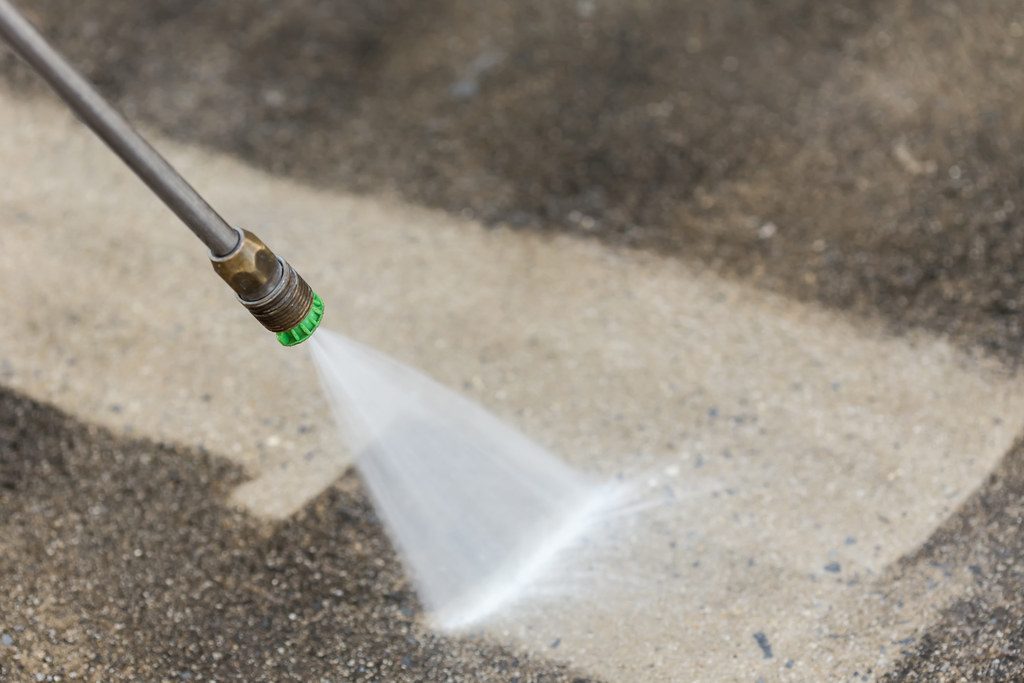
The painter is booked for Thursday, and someone has to wash the house first. So how long after pressure washing can you paint? The common answer among painting and washing contractors is at least 24 hours, and often 48 to 72 hours on porous or shaded surfaces. The rule that actually binds you is on the paint can: every exterior paint label sets its own surface and weather conditions, and “clean and dry” is the one they all share.
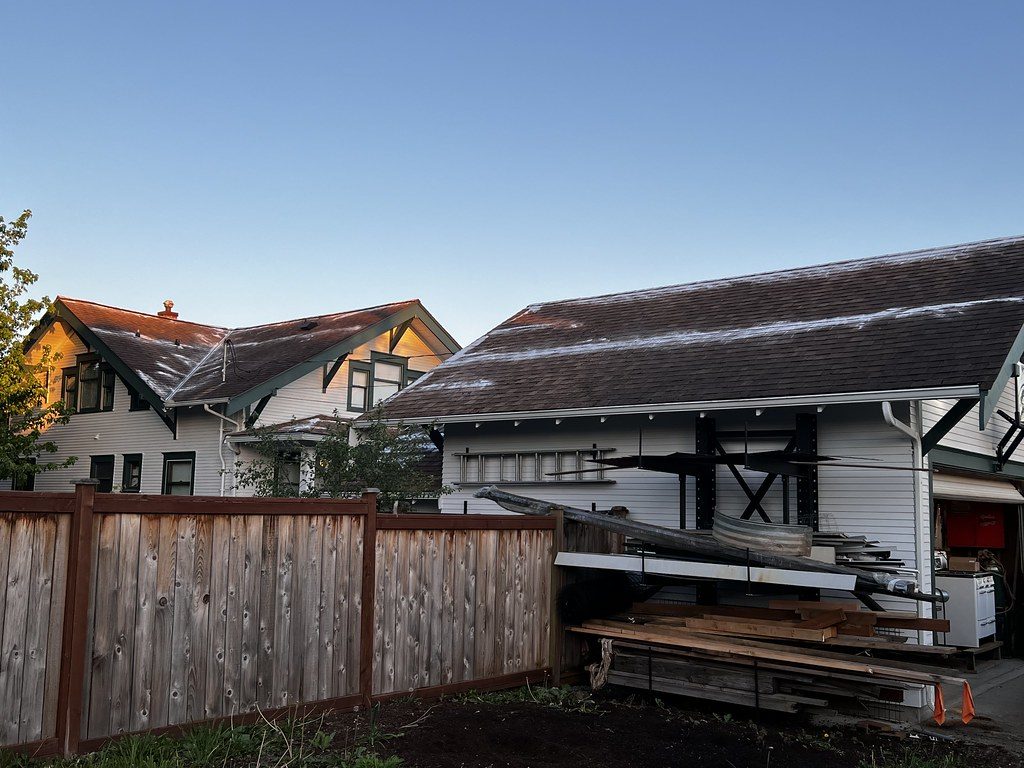
The wait is longer than people expect in southeast Wake County. A north wall under oak canopy in Van Story Hills can still be damp the morning after a sunny afternoon wash, and a humid August night puts moisture back on siding that looked dry at dusk. Brick and bare wood soak water in and give it back slowly.
This guide covers drying time by surface, how to tell whether a wall is really dry, why washing matters so much to a paint job (chalk, mildew and loose paint), and the federal lead-paint rule that applies to paid work on any Garner house built before 1978.
How Long After Pressure Washing Can You Paint Each Surface?
Most surfaces need 24 to 72 hours after washing before paint goes on, with dense, sunny surfaces at the short end and porous or shaded ones at the long end. These ranges are contractor practice, not a manufacturer rule, so treat them as a starting point and check your paint’s label:
| Surface | Typical wait (contractor practice) | What stretches it |
|---|---|---|
| Painted wood lap siding and trim | 48 to 72 hours | Bare or cracked spots soak up water; shaded walls |
| Fiber cement siding | 24 to 48 hours | Cut ends and bare edges; a morning of heavy dew |
| Brick being painted or coated | 72 hours or more | Brick absorbs water deep into the unit and mortar |
| Stucco | 48 to 72 hours | Thick, porous finish dries from the outside in |
| Wood deck or fence being stained | Follow the stain maker’s guidance | Stain makers set their own temperature and dry-weather windows |
| Concrete being painted or sealed | 24 to 72 hours | Shade, low spots and cool nights |
Three Garner conditions push every row toward the long end: shade (the north side and anything under mature canopy, common in Heather Hills and around Historic Downtown Garner), humidity (summer nights here rarely let a wall dry overnight), and rain in the forecast. One passing storm after the wash resets the clock.
How Can You Tell the Surface Is Dry Enough to Paint?
Check the wettest parts of the house, not the sunniest wall, and look for any darkening, coolness or damp feel. A wall is only as dry as its slowest section. Useful checks:
- Start on the north side and under the eaves. If those are dry, the sunny walls are too.
- Look at the bottom courses. Splash-back and runoff keep the lowest boards and the brick skirt wet longest.
- Touch bare wood and end grain. Cool or dark wood is still holding water.
- Use a moisture meter on wood if the painter has one; many painters check before they open a can.
- Watch the morning. If the wall looks wet at 8 a.m. after a clear night, that is dew, and paint will not like it either.
Pro tip: Book the wash early in the week and the painter late in the week, and pick the wash day by the forecast for the three days after it, not the day itself. A clean house that gets rained on is still clean; a freshly painted one is not.
Why Does Washing Matter So Much Before Painting?
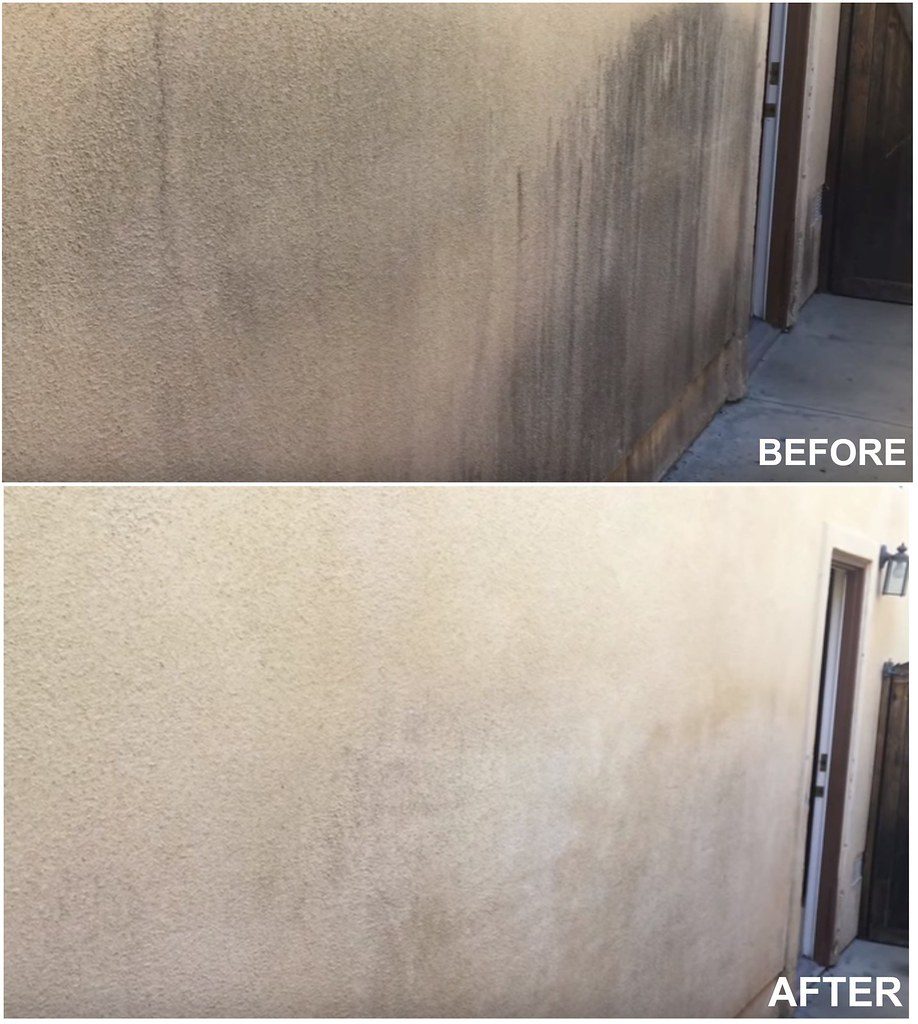
Paint sticks to whatever is on the surface, so chalk, mildew, pollen and dirt left on the wall become the weak layer under the new coat. Washing is the step that gives paint something sound to grip.
Chalk. Old exterior paint weathers into a fine white powder. Sherwin-Williams defines chalking as “the formation of fine, white powder on the surface of exterior paint film due to weathering,” and its guidance is to remove the residue by rinsing or power washing with an appropriate cleaner, scrubbing where needed, and then to “allow to dry thoroughly” before repainting (Sherwin-Williams). How to spot chalk and tell it from dirt is covered in our guide to chalky residue on siding.
Mildew and algae. The green and black film on shaded Garner walls is alive. Paint over it and you have sealed a colony under the new coat. A low-pressure house wash with a solution matched to the siding kills the growth before the painter arrives.
Pollen and red clay. April pine pollen and the orange red clay splash on brick skirts and lower boards both sit on the surface and both keep paint from bonding. Brick has its own pressure limits and its own stains; see our guide to cleaning a brick house exterior before anyone takes a wand to a brick front.
Loose paint. Washing will knock off paint that is already failing. That is useful, but it is not the same as scraping and sanding, and on an older house it brings in the lead rule below.
Which pressure each siding type can take is laid out, with sources, in our soft washing vs pressure washing comparison. Fiber cement, for example, should not see a high-pressure washer at all according to James Hardie.
Does the Lead Paint Rule Apply When You Wash Before Painting?
If the house was built before 1978 and anyone is paid to do work that disturbs the paint, including painting preparation, the EPA’s Renovation, Repair and Painting (RRP) rule applies. The EPA states that “anyone who is paid to perform work that disturbs paint in housing and child-occupied facilities built before 1978 must be certified,” and it lists painting preparation among the covered activities (US EPA RRP program).
The practical points for a Garner homeowner:
- Check the build year. Wake County’s real estate records list it for each property. Pre-1978 homes are most likely on the older streets near Historic Downtown Garner, and unlikely in the subdivisions built during the recent growth, but check the record rather than guessing.
- Know the threshold. EPA’s minor repair exemption covers 20 square feet or less of disturbed paint on the exterior. Prepping a whole house for paint is well past that.
- Washing that strips flaking paint is paint disturbance. On a pre-1978 house with failing paint, ask the washer and the painter who is RRP certified and how paint chips will be contained and collected.
- Ask before booking, not after. A washer who plans to blast off loose paint on an older house without addressing RRP is the wrong choice for that job.
Frequently Asked Questions
Can you paint the same day as pressure washing?
No. Even a sunny wall that feels dry by afternoon is usually still holding water in its seams, end grain and lower courses. Contractor practice is to wait at least 24 hours, longer for wood, brick, stucco and shaded walls, and to follow the drying conditions on the paint label.
Do you need to pressure wash a house before painting?
You need to clean it, and washing is the usual way. Sherwin-Williams’s own chalking guidance is to rinse or power wash the chalk off and let the surface dry thoroughly before repainting. Siding and trim should be washed at low pressure with a solution matched to the surface, not blasted, which is what a proper house washing visit does.
How long should brick dry before it is painted or sealed?
Plan on three days or more in good weather. Brick absorbs water well below the surface, and Garner’s humid nights slow the drying. If the brick is also being cleaned of red clay or white salts first, our brick exterior cleaning guide covers the order of work.
What if it rains after the house is washed?
Start the drying clock again from when the rain stops. Rain will not undo the cleaning on most walls, but it puts water back into wood, brick and seams. The paint does not care that the house was dry on Tuesday; it cares what the surface is like when the brush touches it.
Should the washer or the painter do the washing?
Either can, as long as the method matches each surface and the timing leaves enough drying days. Some painters include a wash; others prefer a separate wash a few days ahead so they arrive to a dry house. If you want the wash scheduled around your painter’s start date, contact us with the date and we can plan backwards from it.
Does the pre-1978 rule apply if I wash and paint my own house?
The certification requirement in the EPA’s RRP rule is aimed at people who are paid to disturb paint. Lead dust is just as harmful when a homeowner creates it, though, so on a pre-1978 house with peeling paint, read the EPA’s guidance before you wash or scrape.
Pressure Washing Before Painting in Garner
How long after pressure washing you can paint comes down to the surface, the shade and the forecast: plan on 24 to 72 hours, check the wettest wall rather than the sunniest one, and let the paint label have the final word. Wash first so chalk, mildew and pollen are gone, and on a pre-1978 house, settle the lead question before anyone touches loose paint.
We provide low-pressure house washing and deck and fence washing across Garner, Clayton, South Raleigh, Willow Spring and Fuquay-Varina, scheduled around your painter’s start date. See the Garner pressure washing cost guide for how pricing works, or request a free quote with your paint date.