Is Soft Washing Safe for Plants and Pets?
Garner Pressure Washing • September 26, 2026 • 8 min read
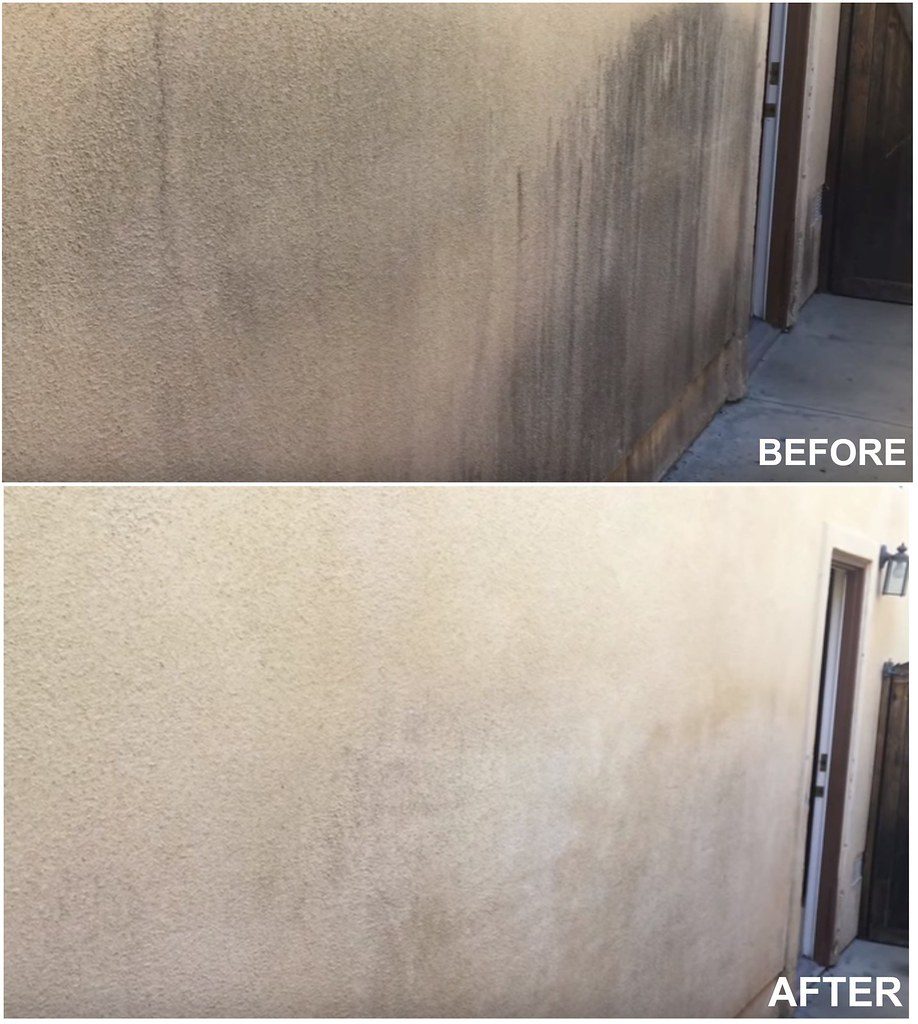
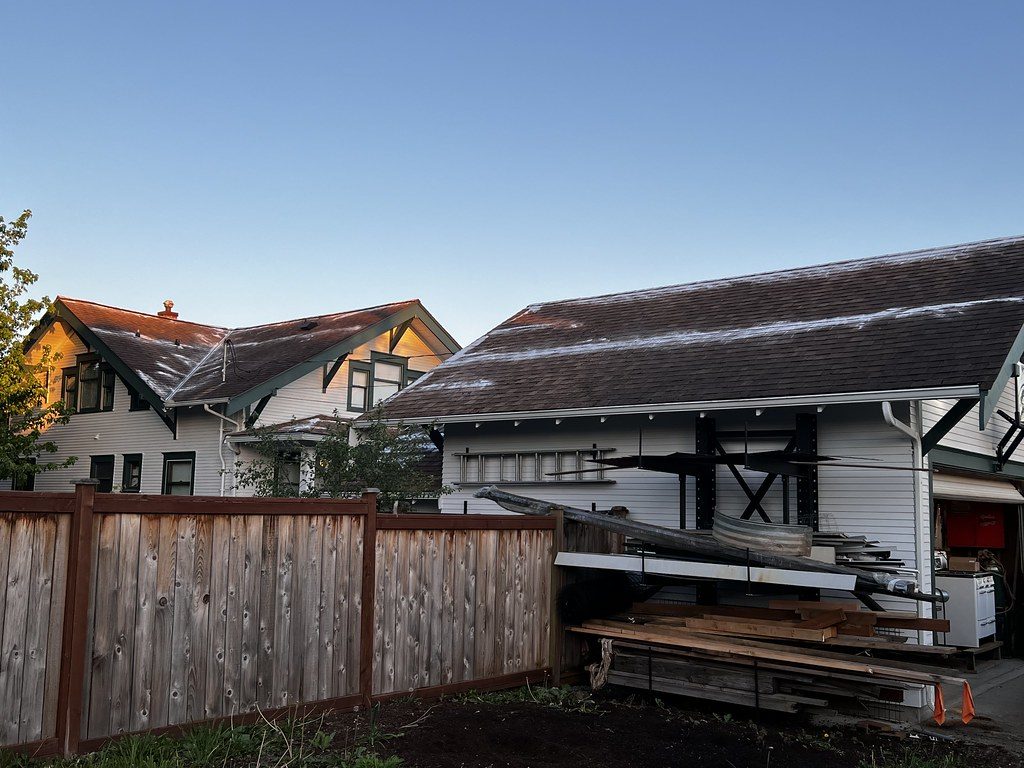
You finally have the azaleas along the front walk looking right, the boxwoods are filling in under the windows, and now the siding needs washing. So the question is fair: is soft washing safe for plants, and what about the dog who lives in that side yard?
The honest answer is that the solution itself is not plant-friendly, and nobody who makes roofing or brick pretends otherwise. The Asphalt Roofing Manufacturers Association, GAF and the Brick Industry Association all tell you to protect landscaping when you clean. Soft washing is safe for plants and pets when the job is handled so the solution never sits on leaves, never soaks into the beds and never pools where an animal can reach it.
That handling matters a little more in Garner than in some places. Foundation beds here are often packed tight against the house, and the red clay under the mulch drains slowly, so runoff lingers near roots instead of moving through. This guide covers what the published sources say, the three ways plants get hurt, how each one is prevented, what damage looks like if it happens, and how to keep pets safe on wash day.
Can Soft Wash Solution Hurt Plants?
Yes, it can, which is why every source that describes the method also says to protect what grows below it. The roof bodies describe a chlorine bleach solution: ARMA’s method is a 50:50 mix of laundry-strength chlorine bleach and water, and it adds “take proper precautions to protect landscaping and surrounding areas” (ARMA). GAF’s roof bulletin tells owners to protect the shrubs below the roof (GAF TAB-R-102).
The Brick Industry Association is the most direct: “Cleaning chemicals may also damage plants and grass. It may be necessary to prevent the cleaning solution and runoff from contacting plants or the surrounding soil” (BIA Technical Note 20).
So the useful question is not whether the solution can hurt a plant. It is whether the person applying it controls where it goes. Which surfaces get which solution is covered in our soft washing vs pressure washing comparison; this page is only about what lives around them.
How Does Soft Wash Solution Reach Your Plants?
It reaches plants in three ways: drift onto the leaves, runoff into the beds, and concentrated flow from gutters and downspouts. Each one needs its own answer.
Drift and overspray. Solution applied to a wall lands on the shrubs in front of it, and a breezy afternoon carries fine spray further than you would expect. Leaves facing the house take most of it.
Runoff into the beds. Everything applied to a wall runs down it. The strip of mulch at the foundation catches the lot, and on Garner’s red clay that water does not drain away quickly.
Gutter and downspout flow. A roof wash is the bigger risk. The solution runs off the whole roof into the gutters and out of the downspouts, so a downspout that empties into a bed of hostas or a vegetable box concentrates everything the roof shed into one spot.
How Are Plants Protected During a Soft Wash?
Plants are protected by keeping them wet, keeping solution off them, and diluting anything that lands, before, during and after the wash. The published sources say to protect plants but do not spell out how, so most of these steps are standard trade practice rather than lab-tested rules. Here is what each one is for:
| Step | When | What it is meant to do | Basis |
|---|---|---|---|
| Soak beds, shrubs and lawn edge with plain water | Before any solution goes on | Dilute anything that lands and keep the soil already wet | Common practice; BIA also says to saturate surfaces below the work area and keep them wet |
| Cover delicate or edible plants with a breathable cover | During application | Stop drift reaching the leaves | Common practice; covers come off promptly so plants do not overheat |
| Redirect or cap downspouts over beds | Roof washes especially | Keep concentrated roof runoff out of planted areas | Common practice |
| Rinse plants again while the wall or roof is worked | Throughout | Wash off drift before it can sit | Common practice |
| Final heavy rinse of beds and lawn edge | After the last surface is rinsed | Dilute and flush what reached the soil | Common practice |
| Skip windy days | Scheduling | Cut drift at the source | Common practice |
Some operators also spray a “neutralizing” product on plants afterward. The claims for those products come from the companies that sell them, not from independent research, so treat them as an extra, not a substitute for water and care.
Pro tip: Before wash day, walk the house and point out the three plants you would be most upset to lose, plus any downspout that empties into a bed. Those two facts change how a wash is set up more than anything else you can tell the person doing it.
What Does Soft Wash Damage Look Like on Plants?
Damage usually shows as bleached, brown or crisp patches on the leaves that faced the house, often within a few days of the wash. On broadleaf evergreens like azaleas, camellias and hollies, look at the leaf edges and the side toward the wall. Tender annuals and vegetable leaves show it fastest.
If you see it, or you know solution reached a bed:
- Rinse heavily right away. Soak the leaves and the soil with plain water. Dilution is the one fix that is always safe.
- Water deeply for the next few days so anything in the root zone keeps moving down and away.
- Hold off on pruning. Scorched leaves will not green back, but an established shrub may push new growth. Give it time before deciding it is lost.
- Skip the fertilizer until you see healthy new growth.
Is Soft Washing Safe for Pets?
Soft washing is safe for pets when they stay indoors during the wash and until the surfaces and yard have been rinsed and are dry. Household bleach labels warn against swallowing it and against contact with eyes and skin, and pets are the family members most likely to lick a wet paw, drink from a puddle or roll in a damp bed.
A simple routine covers it:
- Keep dogs and cats inside for the whole visit, not just while the solution is going on.
- Bring in water bowls, food bowls and toys from porches and patios before anything starts.
- Cover fish ponds and birdbaths, or tell the person washing where they are so runoff is steered away.
- Walk the yard before letting pets out. Look for puddles along the foundation and under downspouts, and hose them into the lawn if you find any.
Rinse water that runs off the property is its own question. North Carolina treats wash water as wastewater, not rainwater, and our guide to where pressure washing wash water can legally go covers the rules on storm drains.
Frequently Asked Questions
Should I water my plants before a soft wash?
Yes, a good soak the evening before or the morning of the wash helps, because it means the soil is already wet before any runoff reaches it. The beds should be wetted again right before the solution goes on and rinsed after the final surface is done, which is standard on a professional house washing visit.
Will soft washing kill my grass?
It should not, if the lawn edge is soaked before and rinsed after. Grass is most at risk right under downspouts during a roof wash, where roof runoff comes out in one concentrated stream. Redirecting those downspouts onto a driveway or into a tub for the day, then rinsing, prevents most lawn scorch.
Is soft washing safe near a vegetable garden?
It can be, with more care than a shrub bed needs. Cover raised beds and edible plants during the wash, rinse them afterward, and consider picking anything ready to harvest the day before. If a downspout feeds a garden box, have it redirected for the day.
Is a roof wash harder on plants than a house wash?
Usually, yes. ARMA’s roof method is a 50:50 mix of chlorine bleach and water, and all of it drains through gutters and downspouts into the beds below. Shaded roofs around Lake Benson and in Heather Hills tend to sit over mature foundation plantings, so a roof cleaning visit puts more weight on downspout control and rinsing.
Are “eco-friendly” soaps safer for plants?
They are a different approach, not a promise that plants will be fine. Our post on eco-friendly pressure washing covers the greener product options. Whatever the product, the protection steps in the table above still apply.
How long should pets stay inside after a soft wash?
Keep them in until the surfaces and the beds have had their final rinse and the yard has had a chance to dry, which on a sunny Garner afternoon is usually a few hours after the wash ends. Check for puddles first. If you want to walk through your yard’s setup before booking, contact us and ask.
Soft Washing That Is Safe for Plants and Pets
Soft washing is safe for plants when the solution is kept off leaves, out of the soil and away from downspout beds, and safe for pets when they stay in until everything is rinsed and dry. The roof and brick makers say protect the landscaping; the method above is how that protection is done.
We provide low-pressure house and roof washing across Garner, Clayton, South Raleigh, Willow Spring and Fuquay-Varina, with free quotes and up-front pricing. A proper soft wash treats plant protection as part of the job, not an extra. See the Garner pressure washing cost guide for how pricing works, or request a free quote and tell us which beds matter most.