Eco-Friendly Pressure Washing in Garner | Green Cleaning Methods
Garner Pressure Washing • August 29, 2026 • 7 min read
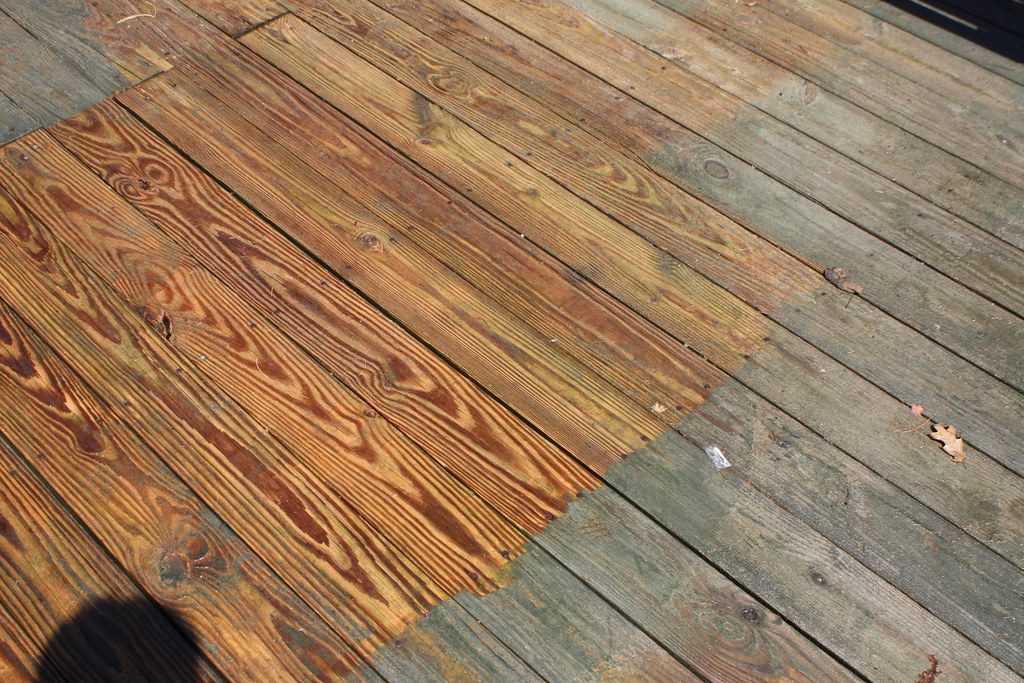
Your Deck Is Draining Into Your Neighbor’s Well
Imagine the scenario: three months after a standard pressure washing treatment, the clay soil around your Garner home still smells faintly of chemicals, and the contractor who cleaned your patio said the runoff was “no big deal.” It isn’t until a neighbor mentions an abnormal well test that you start asking harder questions.
That hypothetical is closer to reality than many homeowners realize. Chemical-laden runoff from standard pressure washing doesn’t disappear; it soaks into our sandy, permeable soil, reaches groundwater, and collects in storm drains that feed into the Neuse River. In Garner, where we have both municipal water systems and many privately drilled wells, that runoff is our problem.
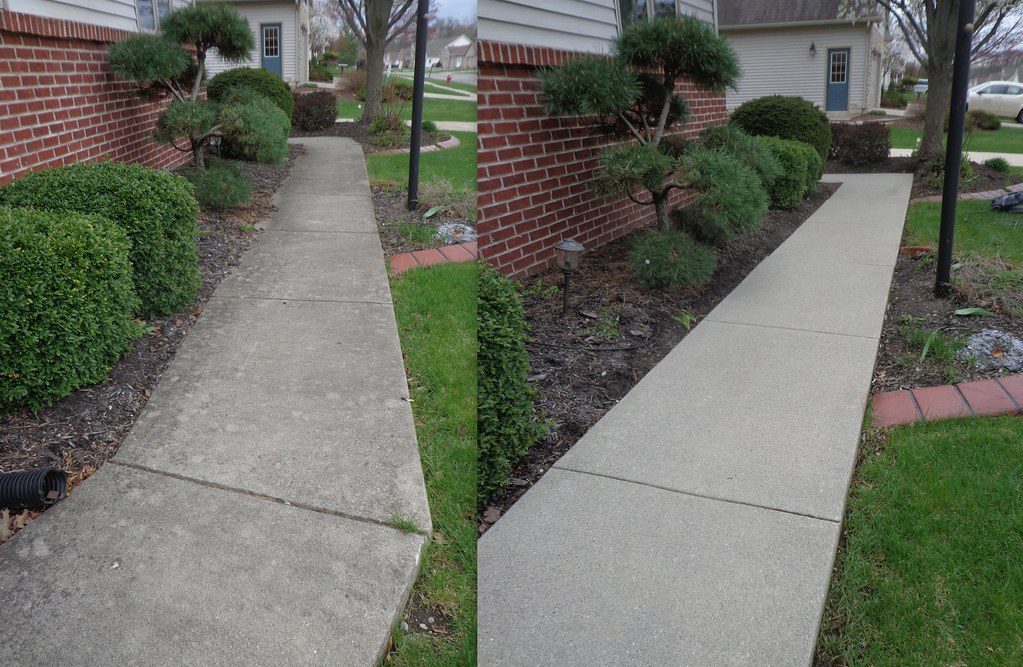
The good news: you don’t have to choose between a clean home and a healthy environment. Eco-friendly pressure washing delivers the same spotless results using methods that won’t compromise groundwater, poison your landscaping, or create liability down the road.
The Hidden Cost of “Standard” Pressure Washing
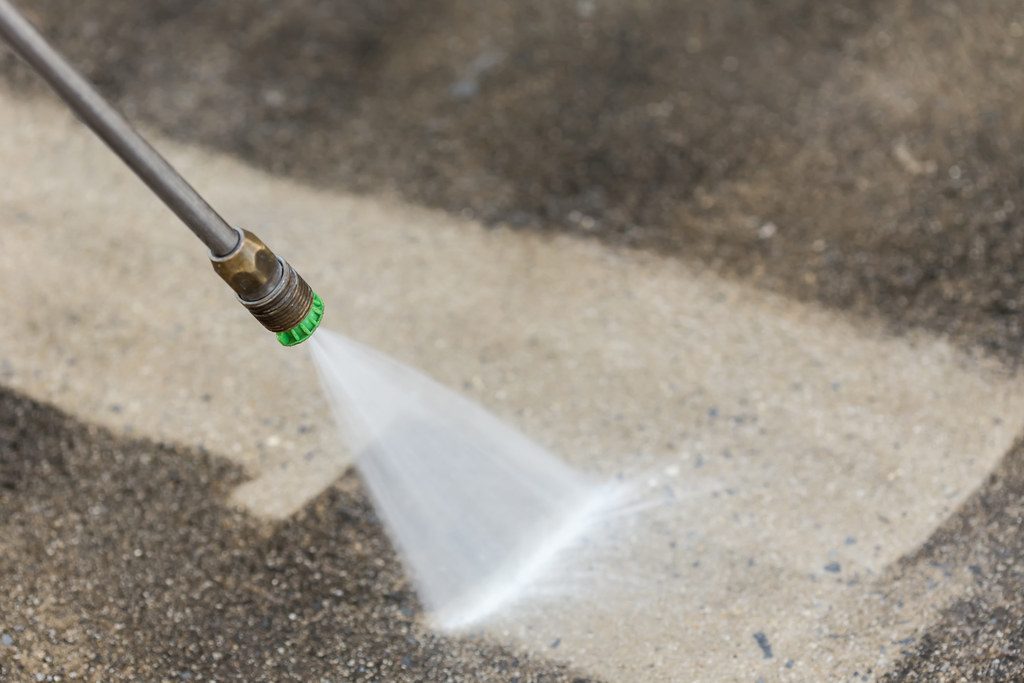
When most contractors spray your driveway or siding, they’re using one of two approaches: straight water at 3,000+ PSI, or water mixed with sodium hypochlorite (pool bleach), phosphate-heavy detergents, or petroleum-based surfactants. Cheap, fast, effective. Also dangerous.
Chemical runoff creates three problems:
-
Groundwater contamination: Phosphates and synthetic surfactants don’t break down quickly in clay soil. They leach into shallow aquifers, accelerating algae blooms in local waterways and raising nitrate levels in private wells.
-
Plant and soil damage: Salts in standard detergents accumulate in topsoil, killing grass, shrubs, and root systems. Pets and children absorb these residues through skin contact. One aggressive cleaning can damage a 30-year-old landscaping investment.
-
Regulatory exposure: North Carolina stormwater rules prohibit dumping pollutants into surface waters. Even residential homeowners can face fines if runoff from your property harms public waterways. Contractors who don’t contain runoff are exposing you to liability.
Standard pressure washing is also water-intensive. A typical residential job uses 400 to 600 gallons of water. In August, when North Carolina often restricts outdoor water use, this becomes a real problem.
How Eco-Friendly Pressure Washing Actually Works
True green cleaning starts with three core changes:
1. Biodegradable, EPA-Approved Detergents
Eco-friendly pressure washing uses plant-based surfactants and biodegradable soaps approved by the EPA’s Safer Choice Program. These break down into harmless compounds within 28 days, regardless of soil type. They’re gentler on surface materials too; less aggressive chemistry means less risk of etching or discoloration on brick, composite siding, or painted surfaces.
Common green soap options include coconut-based cleaners and naturally derived citric acid concentrates. These cost 20-30% more per gallon than standard bleach mixes, but you use less product because the formulas are more concentrated and more efficient at lifting dirt and algae.
2. Closed-Loop Water Recirculation
High-end green contractors in Garner deploy capture systems that funnel all runoff into portable tanks rather than letting it drain onto soil or into storm systems. The dirty water cycles through a filter and gets reused for the job. This cuts water consumption by 60-70% compared to standard methods.
A single-story home’s driveway, patio, and sidewalk might require 150 to 200 gallons instead of 500. That’s meaningful during summer months when municipal systems feel the strain.
3. Containment and Drainage Management
Before water leaves your property, it’s filtered to remove sediment, soap residue, and organic matter. Some contractors use portable water treatment units; others deploy absorbent berms to contain runoff until it can be safely disposed of or recycled. This step alone eliminates 95% of the environmental impact.
Why Garner Homeowners Are Choosing Green
Many Wake County homeowners are willing to pay somewhat more for services that reduce environmental impact, provided they understand the actual difference. In the Garner area specifically, pockets of southern Wake County outside municipal water lines still rely on private wells, and what soaks into the ground near a wellhead matters.
Green maintenance can also be part of a home’s story when it sells: buyers ask more questions about what has been put on and around a property than they used to. If you’re planning to sell within five years, responsible maintenance is an easy point in your favor.
Beyond resale value, green pressure washing aligns with Garner’s broader environmental stewardship. We live 30 miles downstream from a major urban center; every gallon of water we use responsibly and every pound of chemical we keep out of the Neuse River matters.
Transparent Pricing: What Does Eco-Friendly Actually Cost?
Here’s what most contractors won’t tell you: eco-friendly pressure washing is not dramatically more expensive. For reference, our own published Garner ranges are $200-$450 for a house wash and $130-$250 for a typical driveway (see the Garner pricing guide). Here’s an illustrative market comparison for a multi-surface job on a 2,000 sq ft home:
Standard Pressure Washing:
- Driveway, patio, deck, and siding: $350-$450
- Chemicals included (sodium hypochlorite + surfactants): $40-$60 in materials
- Water usage: 500+ gallons
- Labor: 3-4 hours
Eco-Friendly Pressure Washing:
- Same scope of work: $420-$520
- Biodegradable soaps and capture system deployment: $60-$90 in materials
- Water usage: 150-200 gallons
- Labor: 3.5-4.5 hours (slightly longer due to capture setup)
The actual cost difference: $70-$100 per job, or 16-22% more. That’s significant for budget-conscious homeowners, but it’s not the $200-$300 upsell some contractors claim.
Additional factors that influence pricing:
- Algae and mold severity: Heavily treated surfaces require longer dwell times with biodegradable cleaners. A roof with two years of algae buildup might cost $80-$150 more.
- Recirculation setup: Closed-loop systems add $50-$100 to the bill, but they’re worthwhile on jobs larger than 3,000 square feet.
- Surface material: Composite or painted siding needs gentler pressure (1,500-2,000 PSI instead of 3,000+), which requires more finesse and time.
- Local disposal fees: Some municipalities charge $15-$30 to dispose of filtered wastewater properly. Garner doesn’t currently impose this, but it’s worth verifying with your contractor.
Many contractors offer price-matching guarantees if you get a lower quote from a standard provider. Some also bundle seasonal services (spring cleaning plus fall algae prevention) at a 10-15% discount.
FAQ: Eco-Friendly Pressure Washing in Garner
Does eco-friendly pressure washing actually kill algae and mold as effectively as bleach?
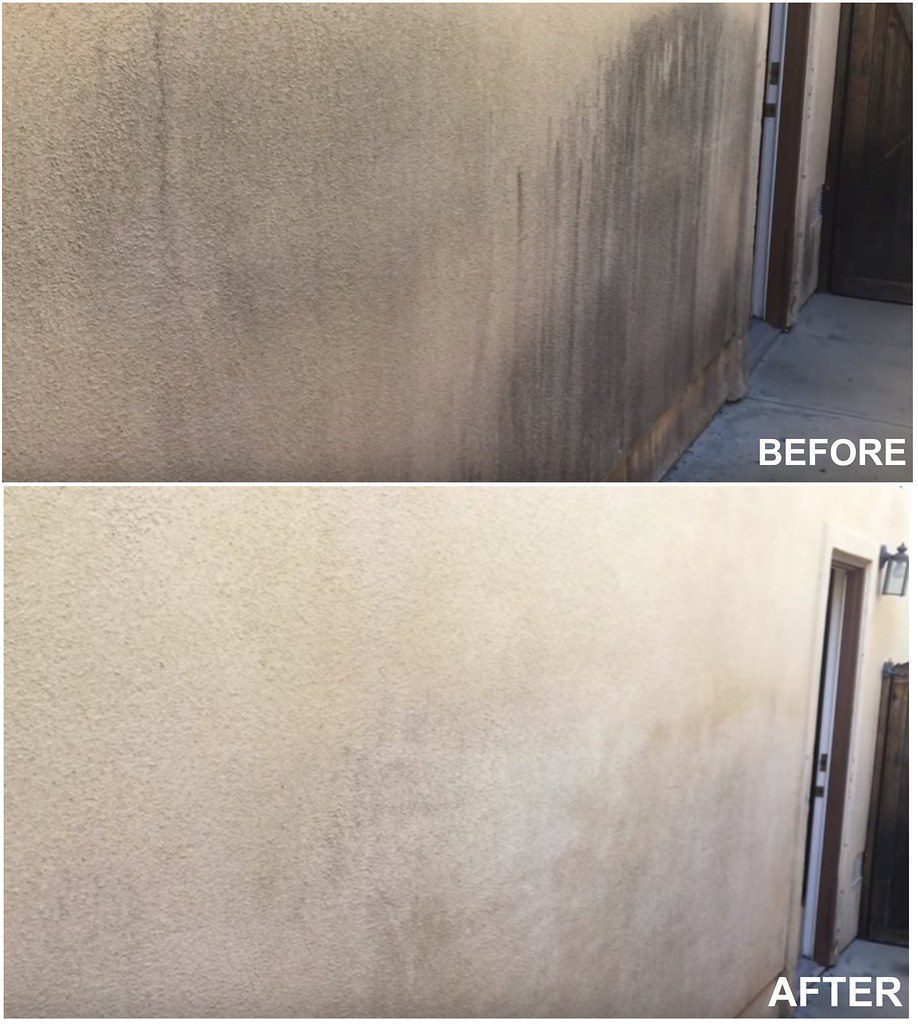
Yes. Biodegradable soaps are formulated to target the cell walls of algae and mold. They work more slowly than bleach (24-48 hours of action versus instant kill), but the results are identical after three to five days. Bleach kills fast but also bleaches non-target surfaces and can damage historic brick or aged concrete.
Will green pressure washing damage my deck or siding?
Lower pressure settings (1,500-2,000 PSI) are gentler on all materials. Standard contractors often go 3,000+ PSI, which strips protective coatings and accelerates weathering. Eco-friendly crews use lower pressure plus chemistry to do the work, which actually extends the life of your surfaces by 2-3 years.
What about my garden and landscaping? Will the runoff still hurt my plants?
Biodegradable soaps are non-toxic to plants when diluted in runoff. They break down into harmless byproducts. With a closed-loop system, the runoff never touches your garden in the first place. If you have sensitive plants (hydrangeas, azaleas) or raised beds with vegetable gardens, inform the contractor before the job starts so they can take extra precautions.
Can I DIY eco-friendly pressure washing?
Technically yes, but with caveats. You can rent pressure washers and buy biodegradable soap concentrate at big-box stores. You’ll spend $60-$80 on the rental, $30-$50 on supplies, and 6-8 hours of labor. The risk: improper pressure settings can damage siding, and most homeowners don’t have the expertise to estimate water flow or manage runoff safely. For anything beyond a small patio, professional results are worth the price.
How long does eco-friendly cleaning last compared to standard methods?
Both last the same amount of time; 12-18 months before algae and dirt start accumulating again in Garner’s humid climate. The difference is that eco-friendly surfaces don’t have chemical residue that accelerates recontamination. You might actually get 18-24 months before a follow-up is needed.
Do I need a permit for pressure washing in Garner?
For residential properties, no. For commercial properties over 5,000 square feet, check with Garner’s planning department if you’re running a stormwater pollution plan. Contractors should already know these regulations; if they don’t, that’s a warning sign.
The Garner Pressure Washing Difference
Choosing eco-friendly pressure washing isn’t about sacrifice; it’s about confidence. You get the same spotless results, your family stays healthier, your landscaping lasts longer, and your groundwater stays clean. In Garner, where our water systems are shared resources, that matters.
If you’re ready to make the switch, we offer free estimates anywhere in Garner. We’ll assess your specific surfaces, recommend the best approach, and provide a transparent quote with no hidden charges.
Ready to clean green? Contact us today for a free estimate.
Request an Estimate | Read More Pressure Washing Guides
Last updated: August 2026. Pricing and water conservation figures reflect current Garner market conditions and EPA guidelines as of publication.